
Ghana Facing Generalised HIV Epidemic – NACP

Frank Ocansey
Editor, PulseView

HIV Epidemic: The National AIDS Control Programme (NACP) has raised serious concerns about the rising rate of HIV infections in Ghana, warning that recent data indicate the country is facing a generalised HIV epidemic rather than infections limited to specific high-risk groups.
According to the NACP, current testing figures reveal alarmingly high HIV prevalence rates among key populations, including female sex workers, men who have sex with men (MSM), and transgender women, signalling a broader public health challenge.
Speaking in an interview on Channel One TV on Friday, January 9, the Head of Prevention, Counselling and Nutrition at the NACP, Ms. Caroline Adonadga, described the situation as worrying and called for urgent national action.
HIV Epidemic – Statistics
She disclosed that recent HIV testing results show that approximately 45 out of every 100 female sex workers tested are HIV-positive, while about 26 out of every 100 men who have sex with men tested positive for the virus. Even more concerning, she revealed that around 48 out of every 100 transgender women who underwent testing were found to be living with HIV.
“When you take female sex workers, out of 100 tested, about 45 test positive for HIV. For men who have sex with men, about 26 out of 100 test positive, and among transgender women, about 48 test positive,” Ms Adonadga stated.
She explained that while these figures reflect particularly high prevalence among key populations, HIV transmission is no longer restricted to specific groups, warning that the virus is widespread across Ghanaian society.
“These statistics show clearly that Ghana is facing a generalised epidemic. HIV is present among children, adolescents and adults. Wherever you go, you will find cases,” she said.
Ms. Adonadga emphasised that the data should serve as a wake-up call for both policymakers and the general public, noting that complacency could reverse gains made over the years in HIV prevention and control.
She called for expanded access to HIV testing and counselling services, especially at the community level, to ensure early detection and treatment. According to her, early diagnosis remains one of the most effective tools for preventing new infections and reducing AIDS-related deaths.
The NACP official also stressed the importance of strengthening preventive interventions, including consistent condom use, pre-exposure prophylaxis (PrEP), and targeted education campaigns for high-risk groups.
In addition, she urged the sustained implementation of public education programmes to reduce stigma and discrimination, which she identified as major barriers preventing people from accessing testing and treatment services.
“HIV is still very much with us. We need continuous education, stronger prevention strategies and collective responsibility if we are to reduce new infections and protect the health of our population,” she added.
The NACP continues to work with government agencies, civil society organisations and development partners to intensify efforts aimed at curbing the spread of HIV and improving health outcomes for people living with the virus across the country.
HIV Epidemic
Continue Reading
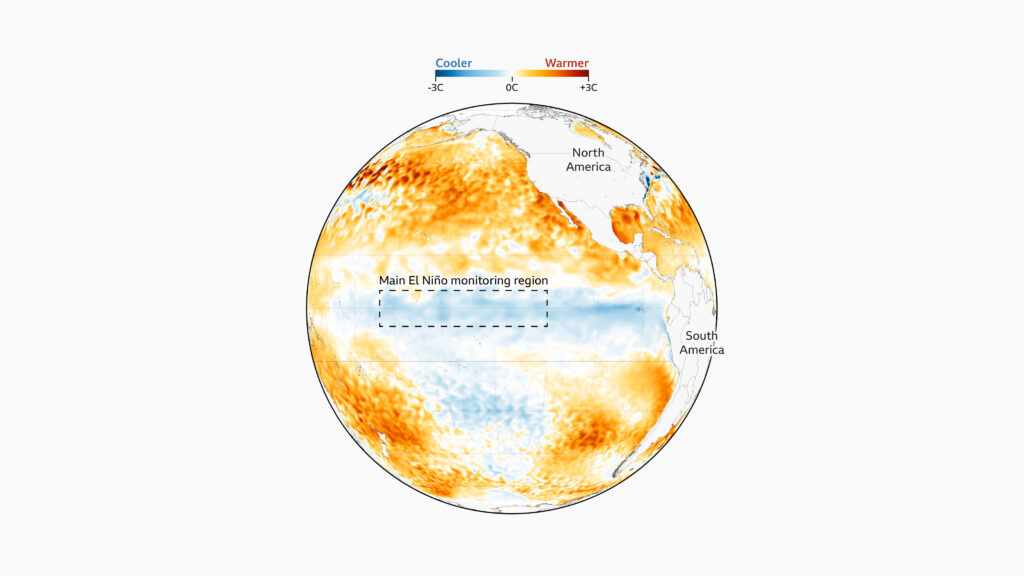
UN Warns of Powerful El Niño That Could Trigger Extreme Weather, Food Crises and Record Global Temperatures
The United Nations has issued a stark warning that a new El Niño weather phenomenon could begin within weeks and potentially develop into one of the strongest events recorded in modern history. Scientists fear the combination of a powerful El Niño and ongoing human-induced climate change could reshape weather patterns across the globe, bringing devastating […]
Frank Ocansey

Bowel Cancer: Warning Signs, Causes, Prevention and Why Early Detection Could Save Life
Bowel cancer is one of the most common cancers worldwide, and health experts are increasingly concerned about a rise in cases among younger adults. While the disease has traditionally been associated with older people, recent research shows that diagnoses are increasing among individuals in their 20s, 30s, and 40s, prompting scientists to investigate the possible […]
Frank Ocansey

Prostate Cancer Screening Restricted to High-Risk Men as Experts Warn of Potential Harm from Widespread Testing
Prostate Cancer: Health authorities have recommended that routine prostate cancer screening should only be offered to a small group of men at very high genetic risk, arguing that the potential harms of widespread testing currently outweigh the benefits. The recommendation, issued by the United Kingdom’s National Screening Committee (NSC), marks the culmination of an extensive […]
Frank Ocansey