
WHO Declares DR Congo Ebola Outbreak a Global Health Emergency as Virus Spreads Across Borders

Samuel Stefano
Editor, PulseView
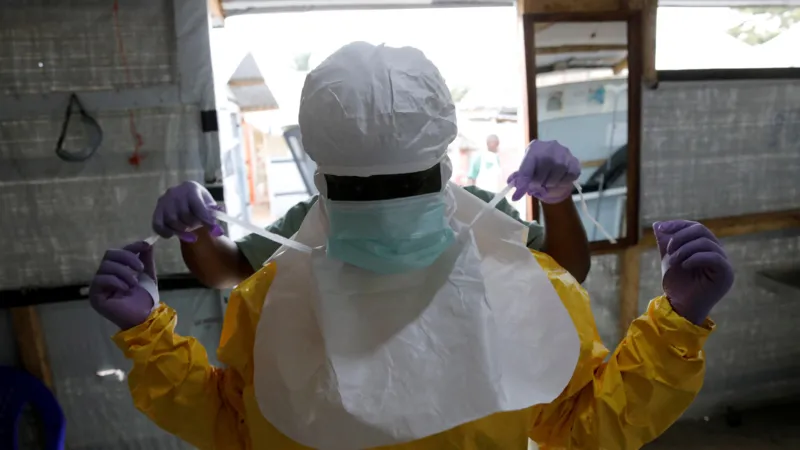
The World Health Organization (WHO) has officially declared the latest Ebola outbreak in the Democratic Republic of Congo (DR Congo) a Public Health Emergency of International Concern (PHEIC), raising alarm over the growing spread of the deadly virus across Central Africa.
The announcement comes after health authorities recorded hundreds of suspected infections and dozens of deaths linked to the outbreak in the country’s eastern Ituri Province. Officials say the rapidly evolving situation, combined with regional instability and high cross-border movement, could lead to a much wider humanitarian crisis if urgent containment measures are not strengthened immediately.
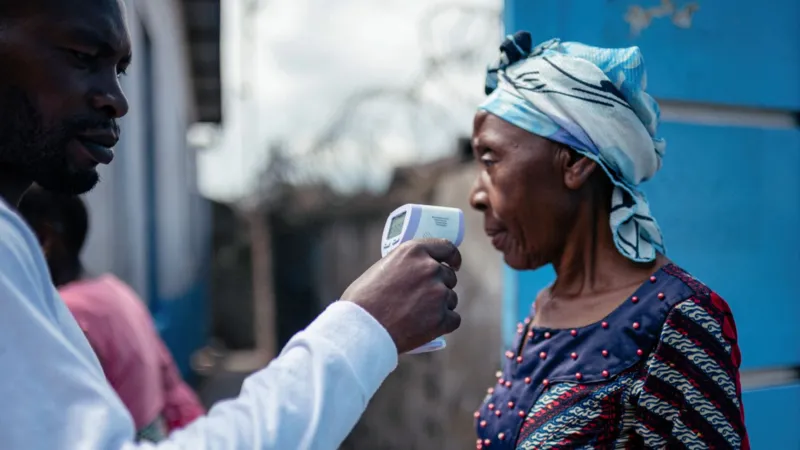
Hundreds of Suspected Cases and Rising Death Toll
According to the WHO, approximately 246 suspected Ebola cases and 80 deaths have already been reported in affected communities. Laboratory investigations have so far confirmed at least eight official Ebola infections, though experts fear the true number of infections could be significantly higher.
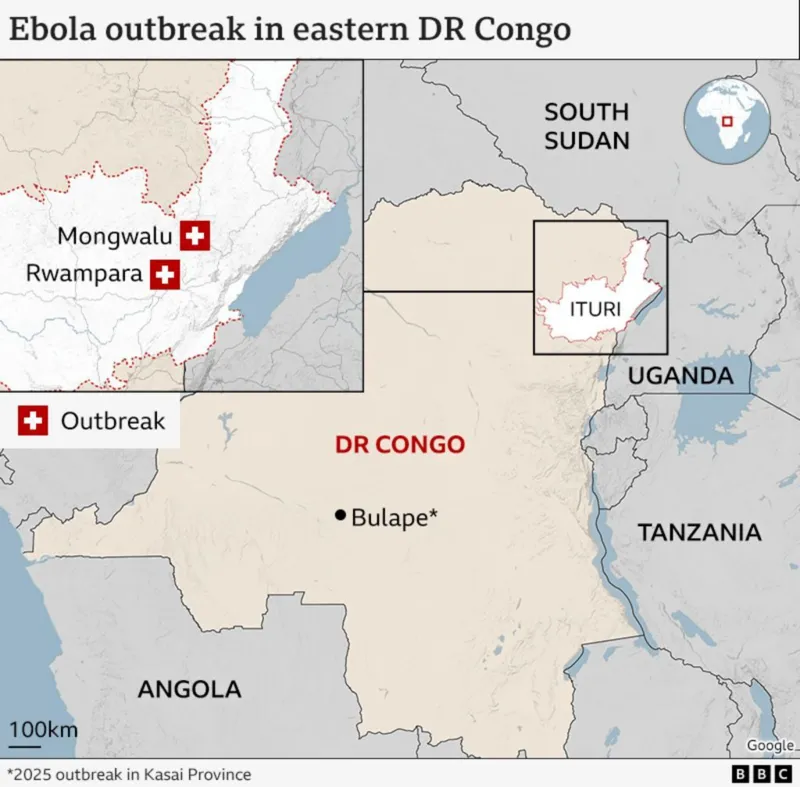
The outbreak is centred in eastern DR Congo’s Ituri Province, particularly around the provincial capital Bunia and the gold-mining towns of Mongwalu and Rwampara. Health officials say the combination of overcrowded settlements, informal healthcare systems, and intense human movement in mining areas is increasing the risk of uncontrolled transmission.
One confirmed case has also been identified in Kinshasa, the country’s capital, involving a patient believed to have travelled from the outbreak zone in Ituri.
Ebola Has Already Crossed Into Uganda
The WHO confirmed that the virus has now spread beyond DR Congo’s borders, with neighbouring Uganda reporting two confirmed Ebola cases. Ugandan authorities stated that a 59-year-old Congolese man who died recently tested positive for the virus.
Health officials say the body has since been returned to DR Congo.
The cross-border infections have heightened fears that the outbreak could rapidly spread across East and Central Africa, particularly because of strong trade and migration links between neighbouring countries.
In response, Rwanda has announced tighter border screening procedures and increased surveillance systems along its frontier with DR Congo.
The Current Ebola Strain Is Especially Concerning
The outbreak is being caused by the Bundibugyo strain of the Ebola virus — one of the less common but still highly dangerous forms of Ebola.
Unlike the Zaire strain of Ebola, for which vaccines and some treatments exist, there are currently no approved vaccines or targeted treatments specifically designed for the Bundibugyo variant.
This significantly complicates response efforts.
WHO officials say the lack of proven medical countermeasures means early detection, isolation, contact tracing, and infection prevention are now the most important tools for controlling the outbreak.
What Is Ebola and How Does It Spread?
Ebola is a severe viral disease that spreads through direct contact with infected bodily fluids such as blood, sweat, vomit, saliva, urine, and other secretions.
The virus is believed to originate from infected animals, particularly fruit bats before spreading to humans.
Once human transmission begins, Ebola can spread rapidly through families, hospitals, caregiving environments, and burial practices involving contact with infected bodies.
Symptoms often begin suddenly and may initially resemble common illnesses such as malaria or flu. Early symptoms include:
- Fever
- Headache
- Muscle pain
- Fatigue
- Sore throat
As the illness progresses, patients may develop:
- Vomiting
- Severe diarrhoea
- Skin rashes
- Organ failure
- Internal and external bleeding
The incubation period ranges from two to 21 days.
According to WHO data, previous Bundibugyo Ebola outbreaks have had fatality rates of roughly 30%, though Ebola outbreaks overall can sometimes kill around half of infected patients.
Security Crisis and Conflict Are Making the Situation Worse
Health officials say the outbreak is unfolding under extremely difficult conditions.
Eastern DR Congo has long been affected by armed conflict, displacement, humanitarian emergencies, and weak healthcare infrastructure. Rebel groups, including the M23 movement, continue to operate in parts of the region, limiting access for healthcare workers and complicating disease monitoring efforts.
AFP also reported that one Ebola case has been confirmed in Goma, a strategically important city currently under M23 rebel influence.
The WHO warns that insecurity and mistrust could significantly hinder efforts to isolate patients, trace contacts, and educate communities about the disease.
WHO Warns the Real Number of Cases May Be Much Higher
WHO Director-General Dr Tedros Adhanom Ghebreyesus said there are still “significant uncertainties” surrounding the true scale of the outbreak.
Health experts fear that many infections and deaths may not yet have been formally recorded, especially in remote communities with limited access to healthcare facilities.
The WHO also warned that informal clinics and traditional healing centres may unknowingly contribute to further spread if proper infection control measures are not enforced.

Emergency Measures Have Been Ordered
The WHO has advised both DR Congo and Uganda to establish emergency operations centres to coordinate:
- Surveillance and monitoring
- Contact tracing
- Case isolation
- Laboratory testing
- Public health communication
- Infection prevention and control measures
The organisation says confirmed Ebola patients should remain isolated until they receive two negative virus-specific tests conducted at least 48 hours apart.
Neighbouring countries have also been instructed to strengthen border surveillance and health reporting systems.
WHO Advises Against Border Closures and Travel Bans
Despite growing public concern, the WHO has advised countries not to close borders or impose unnecessary travel restrictions.
The organisation says such measures are often driven more by fear than science and may worsen humanitarian and economic conditions without effectively stopping transmission.
Instead, health officials recommend targeted screening, rapid detection systems, and stronger healthcare coordination between countries.
DR Congo Has Experienced Multiple Ebola Outbreaks
Ebola was first identified in what is now DR Congo in 1976, near the Ebola River from which the disease takes its name.
This latest crisis marks the country’s 17th Ebola outbreak.
The deadliest outbreak in DR Congo occurred between 2018 and 2020, when nearly 2,300 people died.
Last year alone, another Ebola outbreak in a remote region claimed 45 lives.
Over the past five decades, Ebola outbreaks across Africa have killed approximately 15,000 people.
Regional and Global Concerns Are Growing
Africa CDC officials say they are particularly worried about the combination of:
- Urban transmission
- Mining activity
- Population displacement
- Weak health systems
- High international mobility
Experts warn that if the outbreak is not rapidly controlled, it could evolve into a much larger regional emergency affecting multiple countries.
For now, global health authorities say containment efforts during the next few weeks will be critical in determining whether the outbreak remains regional or becomes an even more dangerous international crisis.
Source: BBC
Also Read:
Continue Reading
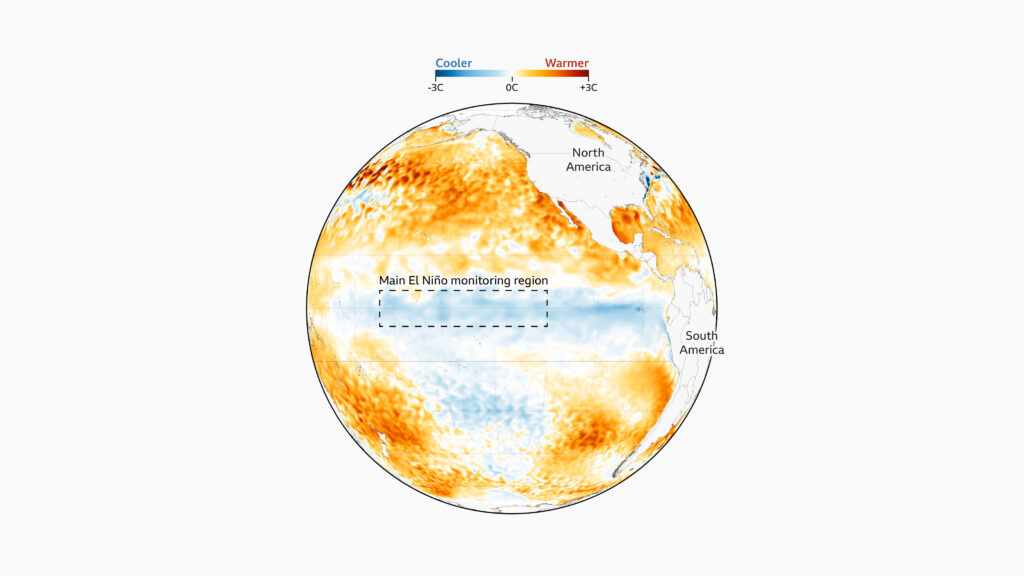
UN Warns of Powerful El Niño That Could Trigger Extreme Weather, Food Crises and Record Global Temperatures
The United Nations has issued a stark warning that a new El Niño weather phenomenon could begin within weeks and potentially develop into one of the strongest events recorded in modern history. Scientists fear the combination of a powerful El Niño and ongoing human-induced climate change could reshape weather patterns across the globe, bringing devastating […]
 Frank Ocansey

Bowel Cancer: Warning Signs, Causes, Prevention and Why Early Detection Could Save Life
Bowel cancer is one of the most common cancers worldwide, and health experts are increasingly concerned about a rise in cases among younger adults. While the disease has traditionally been associated with older people, recent research shows that diagnoses are increasing among individuals in their 20s, 30s, and 40s, prompting scientists to investigate the possible […]
Frank Ocansey

Prostate Cancer Screening Restricted to High-Risk Men as Experts Warn of Potential Harm from Widespread Testing
Prostate Cancer: Health authorities have recommended that routine prostate cancer screening should only be offered to a small group of men at very high genetic risk, arguing that the potential harms of widespread testing currently outweigh the benefits. The recommendation, issued by the United Kingdom’s National Screening Committee (NSC), marks the culmination of an extensive […]
Frank Ocansey