Bank of Ghana Seeks Reimbursement for Gold for Reserves Programme, Calls for Burden Sharing
Frank Ocansey
Editor, PulseView
The Bank of Ghana (BoG) has stated that it can no longer solely bear the costs of the Gold for Reserves programme and is actively seeking reimbursement from the Finance Ministry for losses incurred.
The Central Bank has highlighted that it has carried the financial burden for both the Gold for Oil and Gold for Reserves programmes over the past few years.
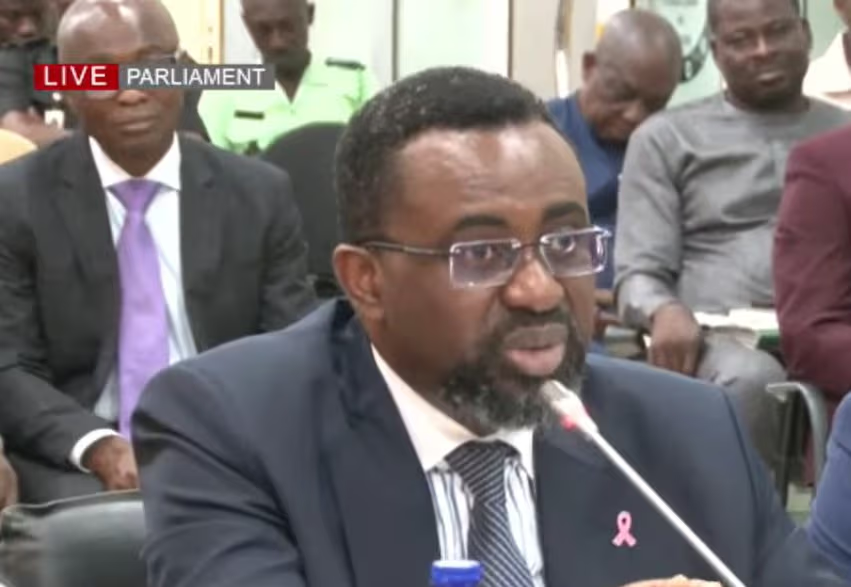
During a Public Accounts Committee (PAC) sitting on Monday, January 12, 2026, BoG Governor Dr. Johnson Asiama disclosed that the Bank is engaging with government agencies to establish burden sharing arrangements to ensure the sustainability of the programme.
“We are not in a position to shoulder those costs going forward. We are having a conversation with the Finance Minister to see if they can reimburse us for those costs that were passed unto the Bank of Ghana since 2024,” Dr. Asiama said.
IMF Endorsement and Need for Shared Responsibility
The Governor emphasized that the International Monetary Fund (IMF) has not objected to the Bank of Ghana’s involvement in the programme. However, the Fund has made it clear that the inherent costs cannot continue to be borne solely by the Central Bank, a position that BoG agrees with.
“That is why we are engaging government, we are engaging other government agencies who also have to burden share. And we are asking that Parliament support us in this regard,” he told the Committee.
Dr. Asiama further noted that sustaining the programme is critical, and sharing the financial responsibility among multiple agencies is necessary for effective operation.
“We must do whatever it takes to burden share in terms of the cost, and then we must do whatever it takes to sustain this programme going forward because it will help us, it will anchor the programme that we have made and it will sustain the gains going forward,” he added.
The Governor highlighted that proper burden sharing would ensure the programme continues to strengthen Ghana’s reserves, support currency stability, and maintain economic gains achieved through gold-backed initiatives.
Parliamentary Oversight and Minority Calls for Investigation
The issue has sparked political debate in Parliament. The Minority has filed a motion demanding an urgent bipartisan probe into the losses recorded by GoldBod under the Gold for Reserves programme.
On December 29, 2025, the group also suggested potential prosecution of the BoG Governor and GoldBod CEO if negligence is found in the management of the programme. This motion reflects growing public scrutiny over the programme’s costs and the management of public funds linked to gold reserve operations.
Importance of the Gold for Reserves Programme
Despite the financial losses, the Bank of Ghana has emphasized that the Gold for Reserves programme remains critical to Ghana’s economic stability. By purchasing domestic gold, the programme has helped to strengthen foreign reserves, reduce pressure on the cedi, and support the foreign exchange market.
Dr. Asiama’s remarks underline the need for collaborative financial responsibility to maintain the programme’s operations without overburdening any single institution. Shared funding is seen as a key step toward ensuring transparency, accountability, and sustainability.
Next Steps
The Bank of Ghana is engaging actively with the Finance Ministry, other relevant government agencies, and Parliament to establish a framework for burden sharing. By doing so, the Bank aims to protect Ghana’s financial interests while maintaining the programme’s long-term viability.
As Ghana navigates these discussions, stakeholders continue to emphasize the need for transparency and oversight to ensure that the programme achieves its intended economic objectives without compromising public trust.
The Bank of Ghana’s call for reimbursement and burden sharing highlights the financial realities of the Gold for Reserves programme and underscores the importance of collective responsibility among government agencies.
With proper collaboration, oversight, and sustained commitment, the programme can continue to anchor Ghana’s economic stability, strengthen foreign reserves, and support the nation’s currency and fiscal policy objectives.




 Junior Kojo