
Government Reduces Cocoa Producer Price to GH¢2,587 Per Bag Amid Market Downturn

Junior Kojo
Editor, PulseView

The Government of Ghana has announced a significant reduction in the cocoa producer price for the remainder of the 2025/2026 crop season, lowering it from GH¢3,625 to GH¢2,587 per bag.
The announcement was made by the Minister for Finance, Dr. Cassiel Ato Forson, during an emergency press briefing on Thursday, February 12, 2026, following a high-level Cabinet meeting held the previous day.
Why the Cocoa Price Was Slashed
The price adjustment comes in response to a sharp downturn in global cocoa prices and a worsening liquidity crisis within the cocoa sector.
While international cocoa prices surged to historic highs of over $12,000 per tonne in late 2024, the market has since experienced a dramatic reversal. Prices have fallen by more than 63% year-on-year, currently trading at approximately $3,772 per tonne as of February 2026.
According to government officials, two major factors contributed to this decline:
- Demand destruction: Rising chocolate prices reduced consumer demand globally.
- Global surplus: A projected surplus of about 287,000 metric tonnes for the current season.
The government indicated that maintaining the previous farmgate price under current market conditions would be unsustainable and could deepen financial instability within COCOBOD.
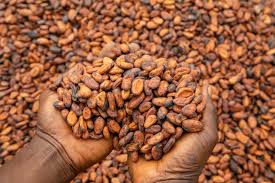
Liquidity Crisis and Unpaid Farmers
The price reduction also follows months of financial strain within the cocoa sector. Reports indicate that thousands of farmers have not been paid for cocoa beans supplied since November 2025, leading to widespread hardship.
Some licensed buying companies reportedly faced operational challenges, and in certain cases, purchasing clerks were detained due to unpaid obligations.
To address the immediate crisis, Cabinet has directed the Ghana Cocoa Board (COCOBOD) to begin the immediate settlement of all outstanding payments owed to farmers.
Major Structural Reforms Announced
Beyond the price adjustment, the government unveiled a series of structural reforms aimed at stabilizing the cocoa industry and preventing similar crises in the future.
1. Introduction of a New Financing Model
Ghana will move away from relying heavily on expensive international syndicated loans. Instead, the government plans to introduce domestic cocoa bonds, which will:
- Create a revolving fund for cocoa purchases
- Ensure more reliable cash flow
- Reduce exposure to volatile international borrowing costs
This shift is expected to strengthen financial sustainability within the sector.
2. Revival of Produce Buying Company (PBC)
The state-owned Produce Buying Company (PBC) will be revitalized with immediate effect.
The government intends for PBC to resume its leadership role as a major licensed buyer, improving competition, transparency, and efficiency in cocoa purchasing operations.
3. Mandatory Domestic Processing Policy
In a move aimed at boosting value addition and industrialization, the government has directed that:
- The remainder of the 2025/2026 cocoa beans be processed locally.
- Beginning in the 2026/2027 season, at least 50% of Ghana’s cocoa production must be processed domestically.
This policy is expected to:
- Create jobs
- Increase export value
- Reduce reliance on raw bean exports
- Strengthen Ghana’s position in the global cocoa value chain
What This Means for Farmers
The new producer price of GH¢2,587 per bag represents a significant drop of over GH¢1,000 per bag, which could impact farmer incomes in the short term.
However, government officials argue that the adjustment was necessary to:
- Align local prices with global market realities
- Prevent deeper financial instability
- Restore liquidity to the cocoa sector
The immediate payment of arrears may offer short-term relief to affected farmers, but concerns remain about how the price cut will affect rural livelihoods.
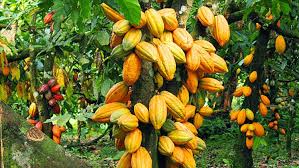
Outlook for Ghana’s Cocoa Sector
Ghana, the world’s second-largest cocoa producer, faces mounting pressure from global price volatility, climate challenges, smuggling concerns, and rising production costs.
The government’s new strategy—focused on financial restructuring and domestic processing—signals a shift toward long-term sustainability rather than short-term price support.
Whether these reforms will stabilize the sector and protect farmer welfare remains to be seen.
Source:3news.com
Also read:Nottingham Forest Appoint Vitor Pereira as New Head Coach After Sean Dyche Sacking
Continue Reading

Court of Appeal Restores GN Savings and Loans Licence in Major Victory for Defunct Financial Institution
Court of Appeal restores the licence of GN Savings and Loans after ruling that the revocation was unfair and unreasonable, ordering the receiver to hand over company assets and operations to shareholders. In a landmark ruling that could reshape Ghana’s financial sector clean-up debate, the Court of Appeal has unanimously overturned an earlier High Court […]
 Samuel Stefano

Global tensions rise as US weighs hypersonic missile deployment, Strait of Hormuz crisis deepens
Global tensions: A new report suggests the United States may deploy a hypersonic missile in the Middle East for the first time, signalling a potential escalation in efforts to pressure Iran into reaching a diplomatic agreement. The development comes as a key deadline passed for former US President Donald Trump to secure authorisation from Congress […]
 Frank Ocansey
Civil society coalition petitions National Petroleum Authority to cut fuel supply to illegal mining operations
A coalition of civil society organisations has formally petitioned the National Petroleum Authority (NPA) to take urgent regulatory action to halt the flow of fuel to illegal mining operations, warning that continued access to diesel is sustaining widespread environmental destruction across Ghana. In a petition dated April 18, 2026, the Coalition Against Galamsey in Ghana […]
Frank Ocansey