
Potentially Much Larger Than Detected: Scientists Sound Alarm as Rare Ebola Strain Spreads in DR Congo

Samuel Stefano
Editor, PulseView
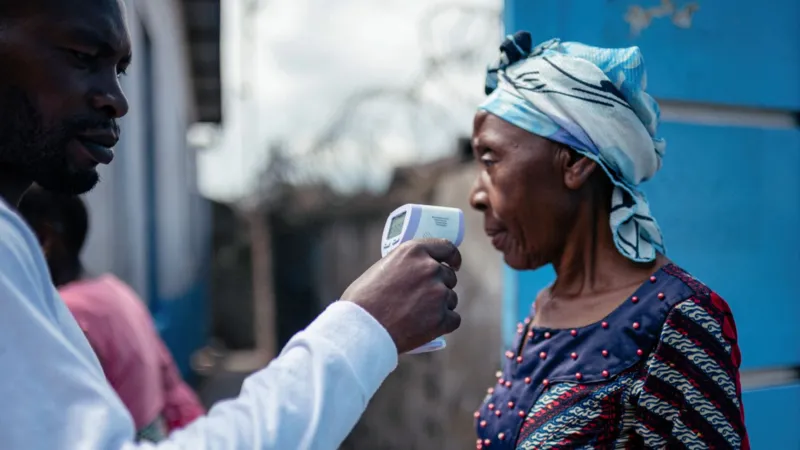
The latest Ebola outbreak in the Democratic Republic of Congo (DR Congo) is raising growing concern among global health experts, with scientists warning that the situation may be far more serious than current figures suggest.
After weeks of undetected transmission in a conflict-affected region of eastern DR Congo, the World Health Organization (WHO) has now declared the outbreak a Public Health Emergency of International Concern (PHEIC) its highest level of international health alert.
Health officials say the outbreak is especially worrying because it involves the rare Bundibugyo strain of Ebola, a deadly virus for which there are currently no approved vaccines or specialised treatments. Combined with armed conflict, mass displacement, weak healthcare infrastructure, and delayed detection, experts fear the outbreak could escalate rapidly if aggressive containment measures are not implemented immediately.
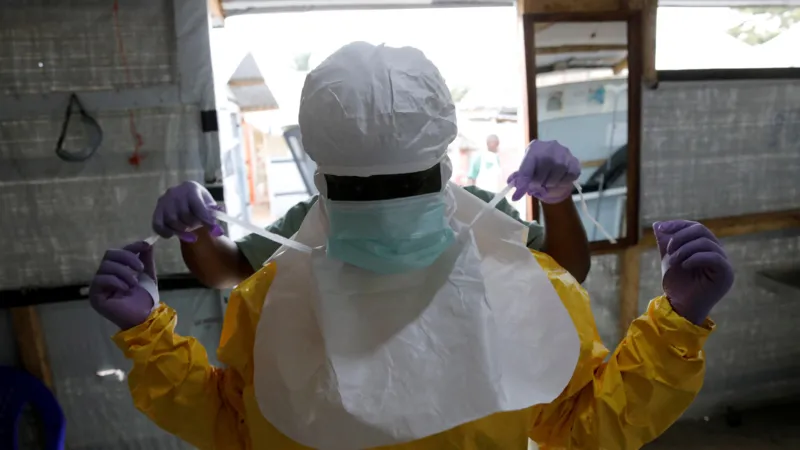
Why Experts Are Deeply Concerned
According to current estimates, nearly 250 suspected Ebola cases and around 80 deaths have already been reported in affected areas.
Although Ebola outbreaks are often relatively small and localised, scientists say this situation has several dangerous characteristics that make it uniquely challenging.
One of the biggest concerns is that the virus appears to have been spreading silently for weeks before health authorities officially confirmed the outbreak.
“The outbreak has been detected very late, which is concerning,” said Dr Anne Cori from Imperial College London.
The WHO has warned that the actual number of infections could be significantly higher than current confirmed figures, suggesting there may already be widespread undetected transmission in local communities.
What Makes This Ebola Strain Different?
The outbreak is being caused by the Bundibugyo species of Ebola virus, one of only three Ebola strains known to trigger major outbreaks in humans.
Unlike the more common Zaire Ebola strain — for which vaccines and treatments now exist — Bundibugyo Ebola remains relatively understudied and difficult to manage.
The strain has only caused two known outbreaks before:
- In Uganda in 2007
- In DR Congo in 2012
Previous Bundibugyo outbreaks killed roughly 30% of infected patients, making it highly dangerous despite being somewhat less deadly than some other Ebola strains.
What makes the current outbreak especially alarming is the absence of approved vaccines and antiviral treatments specifically designed for this variant.
Experts say this significantly limits the medical tools available to health workers.
“There are no approved vaccines or drug treatments for Bundibugyo,” researchers noted, although some experimental options may eventually be explored.
Symptoms Often Start Like Flu
One of the dangers of Ebola is that its early symptoms can resemble many common illnesses, making detection difficult in the initial stages.
Symptoms can appear anywhere between two and 21 days after infection.
Early warning signs include:
- Fever
- Fatigue
- Headaches
- Muscle pain
- Weakness
As the disease progresses, patients may develop:
- Severe vomiting
- Diarrhoea
- Organ failure
- Internal and external bleeding
Without specialised treatment, Ebola can rapidly become fatal.
Since there are currently no targeted drugs for Bundibugyo Ebola, doctors are relying heavily on supportive treatment methods such as:
- Fluid replacement
- Pain management
- Nutritional support
- Treating secondary infections
Health experts say early medical intervention greatly improves survival chances.
How Ebola Spreads
Ebola spreads through direct contact with infected bodily fluids such as:
- Blood
- Vomit
- Sweat
- Saliva
- Urine
- Other body secretions
Unlike airborne diseases, Ebola typically becomes contagious only after symptoms begin appearing.
The virus is believed to originate from infected animals — particularly fruit bats — before spreading to humans.
Once human transmission begins, outbreaks can spread rapidly through households, healthcare facilities, caregiving settings, and unsafe burial practices.
The Outbreak Began With a Nurse
Health officials say the first known patient was a nurse who developed symptoms on 24 April 2026.
However, it took nearly three weeks before laboratory investigations confirmed Ebola was responsible.
Experts say this delayed diagnosis has allowed the virus to gain a dangerous head start.
Part of the challenge is that standard Ebola tests initially failed to detect the virus correctly. More advanced laboratory methods were eventually required to confirm that the Bundibugyo strain was involved.
Professor Trudie Lang from the University of Oxford described the difficulty in diagnosing Bundibugyo Ebola as “one of the most significant concerns” of the outbreak.
Conflict and Displacement Are Fueling the Crisis
Another major challenge is the location of the outbreak.
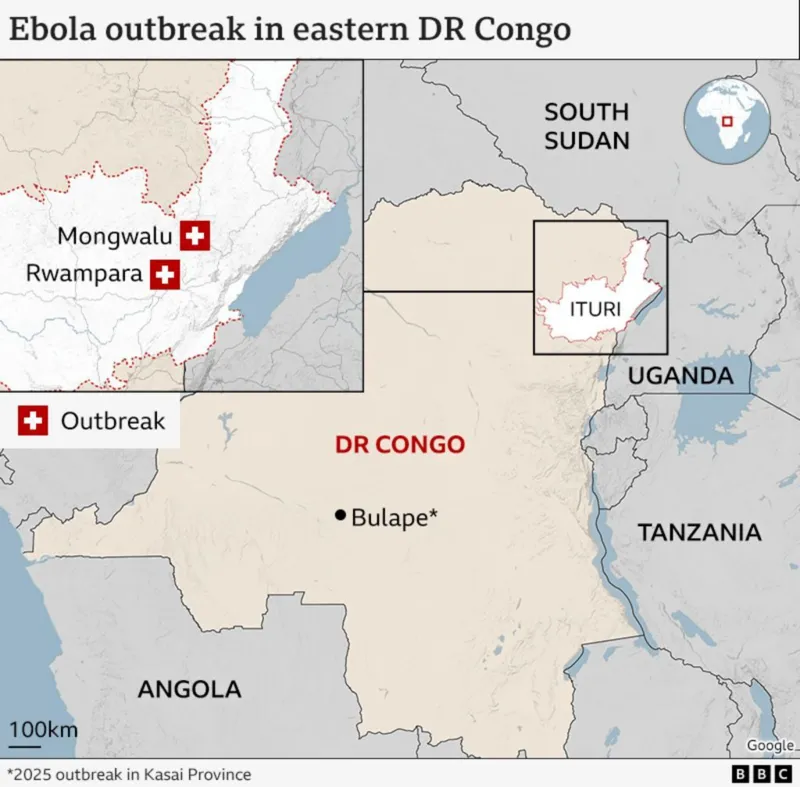
The virus is spreading in eastern DR Congo, a region heavily affected by armed conflict, political instability, and humanitarian crises.
More than 250,000 people have already been displaced in parts of the affected region.
Many infected communities are located around mining towns, where populations are highly mobile and frequently travel across districts and national borders.
“Many of the affected areas are mining towns with highly mobile and transient populations,” Prof Lang explained.
This movement significantly increases the risk of regional spread.
Uganda Already Has Confirmed Cases
The virus has already crossed into neighbouring Uganda, where two confirmed cases have been reported, including one death.
Health experts fear nearby countries such as:
- Rwanda
- South Sudan
- Tanzania
- Uganda
could all face increased risk due to strong trade and migration links with eastern DR Congo.
WHO Says This Is Not Another Covid-19
Despite the growing concern, health experts stress that Ebola does not currently pose the same global threat as Covid-19.
The WHO says the declaration of an international emergency does not mean the world is entering another pandemic situation.
“The risk Ebola poses to the whole world remains tiny,” experts emphasised.
During the devastating 2014–2016 West African Ebola outbreak the largest in history around 28,600 people were infected globally. Even then, only three cases were recorded in the United Kingdom, all involving healthcare workers who had travelled to assist with outbreak response.
Still, scientists say the current emergency declaration reflects the complexity of the situation and the urgent need for international coordination.

What Happens Next?
The success or failure of containment efforts over the next several weeks could determine whether the outbreak is rapidly controlled or spirals into a much larger regional disaster.
Health authorities are now prioritising:
- Rapid identification of cases
- Contact tracing
- Isolation of infected patients
- Safe burials
- Border surveillance
- Community education campaigns
The WHO says preventing transmission inside hospitals and treatment centres will also be critical, since Ebola patients become highly infectious during advanced stages of illness.
DR Congo Has Experience Fighting Ebola
Despite the seriousness of the situation, experts say DR Congo has developed substantial experience responding to Ebola outbreaks over the years.
“This response is significantly stronger today than it was a decade ago,” said Dr Daniela Manno from the London School of Hygiene & Tropical Medicine.
The country has battled multiple Ebola outbreaks since the virus was first discovered in 1976.
However, scientists warn that the combination of a rare Ebola strain, delayed detection, armed conflict, and high population movement means the situation remains extremely fragile.
For now, global health agencies are racing against time to prevent the outbreak from becoming one of Africa’s most dangerous public health emergencies in recent years.
Source: BBC
Also read: WHO Declares DR Congo Ebola Outbreak a Global Health Emergency as Virus Spreads Across Borders
Continue Reading
UN Warns of Powerful El Niño That Could Trigger Extreme Weather, Food Crises and Record Global Temperatures
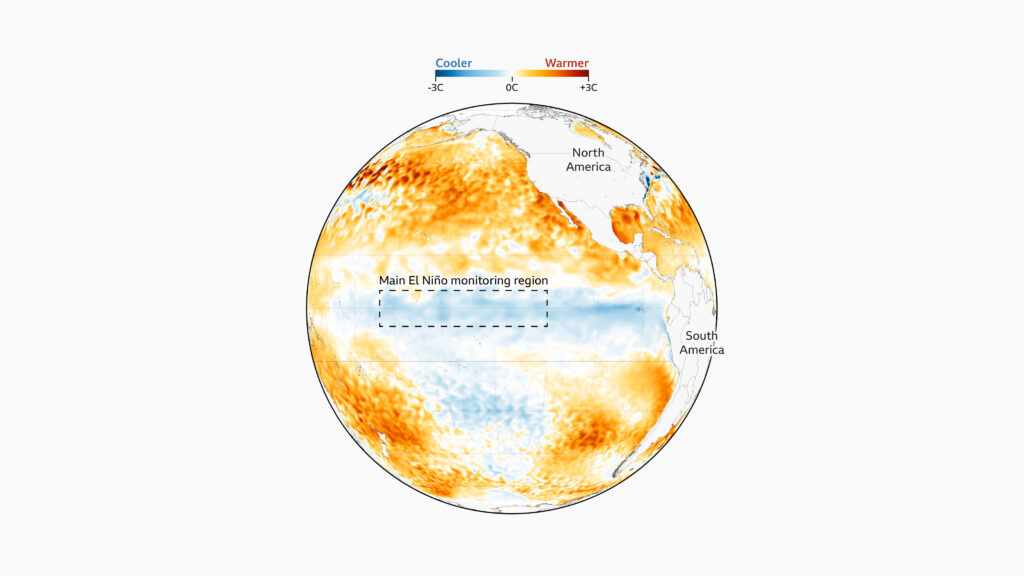
The United Nations has issued a stark warning that a new El Niño weather phenomenon could begin within weeks and potentially develop into one of the strongest events recorded in modern history. Scientists fear the combination of a powerful El Niño and ongoing human-induced climate change could reshape weather patterns across the globe, bringing devastating […]
 Frank Ocansey

Bowel Cancer: Warning Signs, Causes, Prevention and Why Early Detection Could Save Life
Bowel cancer is one of the most common cancers worldwide, and health experts are increasingly concerned about a rise in cases among younger adults. While the disease has traditionally been associated with older people, recent research shows that diagnoses are increasing among individuals in their 20s, 30s, and 40s, prompting scientists to investigate the possible […]
Frank Ocansey
Prostate Cancer Screening Restricted to High-Risk Men as Experts Warn of Potential Harm from Widespread Testing
Prostate Cancer: Health authorities have recommended that routine prostate cancer screening should only be offered to a small group of men at very high genetic risk, arguing that the potential harms of widespread testing currently outweigh the benefits. The recommendation, issued by the United Kingdom’s National Screening Committee (NSC), marks the culmination of an extensive […]
Frank Ocansey