
5 Biggest Surprises of FIFA World Cup 2026 So Far

Frank Ocansey
Editor, PulseView
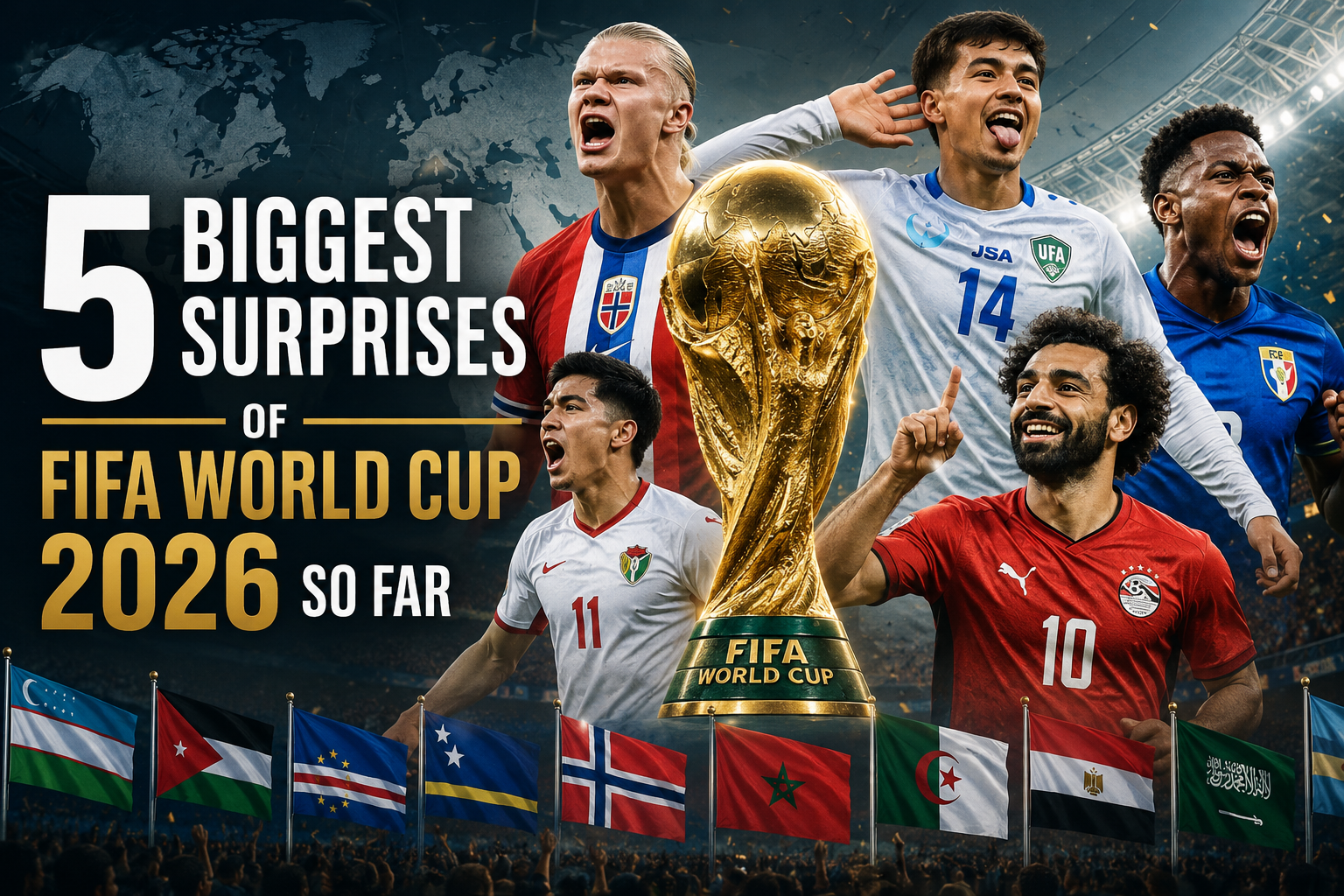
The 2026 FIFA World Cup was always expected to be different. With an expanded 48-team format, three host nations, and more matches than ever before, football fans anticipated a tournament full of excitement and unpredictability. Yet even the most optimistic supporters could not have predicted some of the remarkable developments that have already unfolded.
From the shocking absence of traditional football giants to the rise of nations making their World Cup debuts, the tournament is proving that football remains the most unpredictable sport on the planet. The World Cup has always been a stage where dreams are realized, giants stumble, and unknown heroes emerge. The 2026 edition is no exception.
Here are the five biggest surprises of the FIFA World Cup 2026 so far and why they are reshaping the football landscape.
1. Italy’s Unbelievable Failure to Qualify
When discussions about football powerhouses arise, Italy is always among the first names mentioned.
The four-time world champions have produced some of the greatest players in football history and remain one of the most successful national teams ever assembled. However, in one of the most shocking stories leading up to the 2026 World Cup, Italy failed to qualify for the tournament.
Their elimination stunned football fans worldwide.
Even more astonishing is the fact that this marks the third consecutive World Cup missed by the Azzurri. For a nation that lifted the World Cup trophy in 1934, 1938, 1982, and 2006, such a prolonged absence is almost unimaginable.
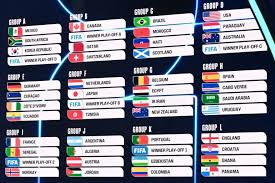
Football analysts have pointed to several reasons for Italy’s struggles:
- An aging football structure
- Limited development of young talent
- Tactical stagnation
- Increased competition from emerging European nations
The absence of Italy has dramatically changed the tournament’s competitive balance. Many football fans feel the World Cup is missing one of its most iconic teams, while others view it as evidence that no nation can rely solely on its history.
For Italy, the failure has triggered nationwide debate about the future of Italian football.
2. Uzbekistan and Jordan Make History
One of the most inspiring aspects of the World Cup is its ability to give smaller nations a platform to shine.
This year, few stories have captured the imagination of football fans more than the qualification of Uzbekistan and Jordan.
Uzbekistan’s Historic Achievement
Uzbekistan became the first Central Asian nation in history to qualify for the FIFA World Cup.
For years, the country invested heavily in football development, youth academies, and infrastructure. Those investments have finally paid off.
Qualification sparked celebrations across the nation, with many viewing the achievement as a defining moment in the country’s sporting history.
Jordan’s Fairytale Journey
Jordan’s qualification was equally emotional.
The Middle Eastern nation has often come close to reaching football’s biggest stage but repeatedly fell short. This time, determination and disciplined performances helped Jordan secure its first-ever World Cup appearance.
Their success has inspired millions across the Arab world and demonstrated that persistence can eventually overcome decades of disappointment.
3. Cape Verde and Curaçao Rewrite Football History
The expanded 48-team format has created opportunities for nations that previously struggled to qualify.
Two of the biggest beneficiaries have been Cape Verde and Curaçao.
Cape Verde’s Remarkable Rise
The small island nation of Cape Verde has quietly become one of Africa’s most improved football teams.
With a population of less than one million people, many believed World Cup qualification would remain out of reach.
Instead, Cape Verde shocked critics by securing a historic place in the tournament.
Their qualification highlights how effective planning, strong youth development, and national unity can help smaller nations compete against much larger football powers.
Curaçao’s Dream Comes True
For Curaçao, qualification represents one of the greatest achievements in the country’s sporting history.
The Caribbean nation has benefited from improved football administration and stronger links with players of Curaçaoan heritage competing in European leagues.
Their appearance on football’s biggest stage is proof that talent can emerge from even the smallest corners of the football world.
These two nations symbolize what FIFA hoped to achieve through expansion: greater global representation and more opportunities for emerging football countries.
4. Norway Finally Ends a 28-Year Wait
For nearly three decades, Norwegian football fans watched World Cups from home.
Despite producing world-class talents over the years, Norway repeatedly failed to secure qualification.
That finally changed in 2026.
The Haaland Effect
Much of the excitement surrounding Norway centers on superstar striker Erling Haaland.
Widely regarded as one of the best forwards in world football, Haaland has transformed Norway’s fortunes and helped lead the nation back to the World Cup for the first time since 1998.
His return to football’s biggest stage has generated enormous interest worldwide.
A New Golden Generation
Norway’s success is not solely about one player.
The country has developed an impressive generation of talent that includes:
- Elite midfielders
- Creative attackers
- Strong defenders
- Experienced goalkeepers
Many experts believe Norway could become one of the tournament’s dark horses and potentially cause major upsets against more established football powers.
5. Record Number of Arab Nations Reach the World Cup
Perhaps one of the most significant developments in global football is the growing strength of Arab nations.
For the first time in World Cup history, eight Arab countries have qualified for the same tournament:
- Algeria
- Egypt
- Iraq
- Jordan
- Morocco
- Qatar
- Saudi Arabia
- Tunisia
This unprecedented achievement reflects years of investment in football infrastructure, youth development, coaching, and international competition.
Morocco’s Influence
Morocco’s remarkable run to the semi-finals of the 2022 World Cup inspired many nations across the region.
Their success demonstrated that Arab and African teams can compete with football’s traditional elite.
Since then, several countries have intensified efforts to improve their national teams.
Growing Football Power
The presence of eight Arab nations signals a shift in the global football landscape.
No longer viewed as outsiders, these teams are increasingly capable of challenging established powers and advancing deep into major tournaments.
Their success is changing perceptions and creating new football rivalries on the international stage.
Other Major Surprises Worth Mentioning
While the top five stories dominate headlines, several other surprises deserve attention.
DR Congo Returns After More Than Five Decades
The Democratic Republic of Congo has qualified for the World Cup for the first time in 52 years.
Their return marks one of African football’s most emotional success stories.
Turkey Ends a Long Absence
Turkey has qualified for the World Cup for the first time since 2002, when they famously finished third.
Many fans are eager to see whether they can recreate that historic achievement.
Czech Republic Makes a Comeback
The Czech Republic returns to the World Cup after a 20-year absence, bringing renewed excitement to European football.
The Messi-Ronaldo Factor
One of the most anticipated storylines remains the possibility that football legends Lionel Messi and Cristiano Ronaldo could participate in what may be their final World Cup.
Fans around the globe are hoping for one last chapter in one of football’s greatest rivalries.
Why These Surprises Matter
The biggest lesson from the 2026 World Cup so far is that football’s balance of power is changing.
The dominance of traditional nations is being challenged by:
- Better coaching worldwide
- Improved football infrastructure
- Expanded qualification opportunities
- Increased global investment in youth development
Countries once considered outsiders are now capable of competing on equal terms with football’s traditional giants.
This growing competitiveness is making the World Cup more exciting, more unpredictable, and more global than ever before.
The FIFA World Cup 2026 is already delivering unforgettable surprises.
Italy’s shocking absence, the historic qualification of Uzbekistan and Jordan, the rise of Cape Verde and Curaçao, Norway’s long-awaited return, and the record representation of Arab nations have transformed the tournament into a celebration of football’s global growth.
These stories remind us why billions of people fall in love with the World Cup every four years.
In football, history matters but it guarantees nothing. Every tournament creates new heroes, new records, and new dreams.
And if the early surprises are anything to go by, the biggest shocks of FIFA World Cup 2026 may still be yet to come.

Also read: 2026 FIFA World Cup: Why It Will Be the Biggest Tournament in Football History
Continue Reading
Jose Mourinho Set for Real Madrid Return After Florentino Perez Secures Eighth Presidential Term
Real Madrid are preparing to welcome back one of the most iconic managers in the club’s modern history after Florentino Perez confirmed that Jose Mourinho is set to return as head coach following his re-election as club president. The Portuguese tactician, who previously managed Los Blancos between 2010 and 2013, is expected to begin a […]
 Junior Kojo
2026 FIFA World Cup: Why It Will Be the Biggest Tournament in Football History
The countdown to the 2026 FIFA World Cup is underway, and football fans around the globe are preparing for what promises to be the largest, most ambitious, and most commercially successful World Cup ever staged. From an expanded format featuring more teams to an unprecedented three-country hosting arrangement, the 2026 tournament is set to redefine […]
Frank Ocansey
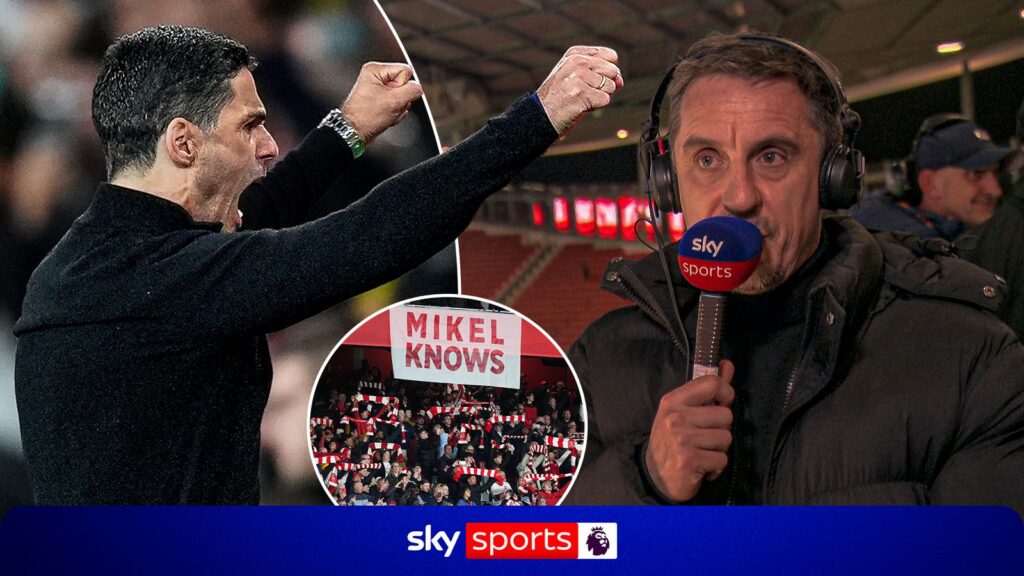
Arsenal One Step from Premier League Glory as Mikel Arteta Backs Bournemouth to Stop Manchester City
The Gunners are now just one result away from winning the Premier League title after a tense 1-0 victory over Burnley, with manager Mikel Arteta admitting he will become “the biggest Bournemouth fan ever” ahead of Manchester City’s crucial clash on Tuesday night. The title race has reached a dramatic stage, with Arsenal now depending […]
Junior Kojo