
Champions League Crisis: Why Atalanta Are Italy’s Only Team in the Last 16

Junior Kojo
Editor, PulseView
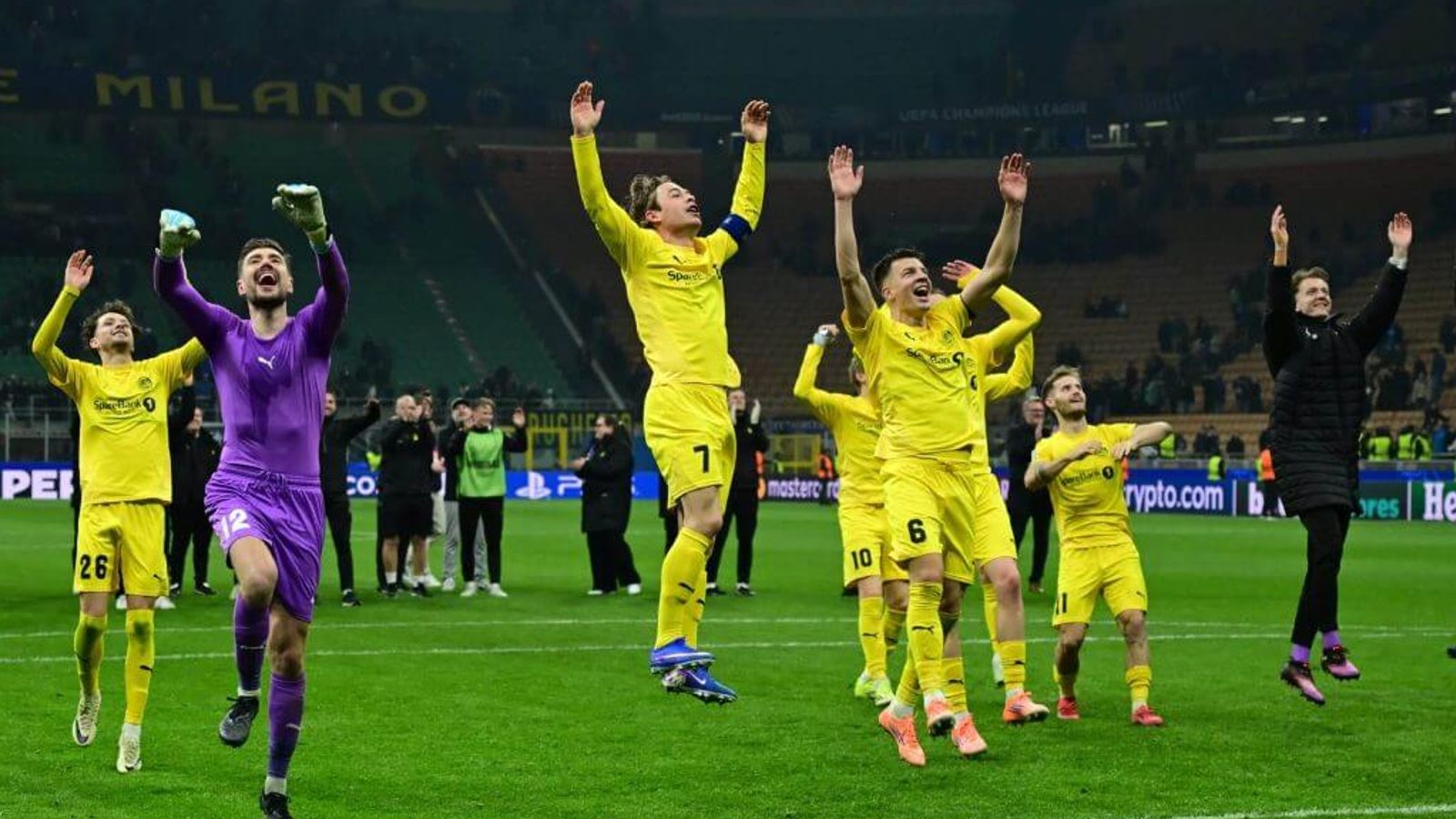
Italian football is facing one of its most worrying moments in modern European competition after Atalanta BC emerged as the only Serie A representative in the UEFA Champions League last 16. The early exits of traditional giants such as Juventus FC, Inter Milan, and SSC Napoli have highlighted deeper structural problems within Italian football and raised serious questions about the strength of Serie A.
For a league that once dominated European football, the 2025/26 Champions League campaign represents a historic low. While Atalanta secured qualification dramatically through a last-gasp victory, the elimination of Italy’s biggest clubs has exposed weaknesses in competitiveness, investment, youth development, and tactical evolution.
This downturn has sparked widespread debate across European football: what exactly is going wrong with Italian football?
Atalanta Carry Italy’s Champions League Hopes
Atalanta secured Italy’s only place in the Champions League knockout stages thanks to a dramatic late winner from Lazar Samardzic, whose stoppage-time penalty sealed qualification.
While the result ensured that Serie A will have representation in the round of 16, it did little to hide the disappointment surrounding the performances of Italy’s traditional powerhouses.
Instead of leading the charge in Europe, the giants of Italian football have fallen earlier than expected.
Heavyweight Clubs Crash Out
The biggest shock came when Inter Milan — currently dominating Serie A — were eliminated by Norwegian side FK Bodø/Glimt.
Inter’s exit was particularly surprising given their strong domestic form. The Italian leaders were convincingly beaten by a team playing its first Champions League campaign and still preparing for the start of their domestic season.
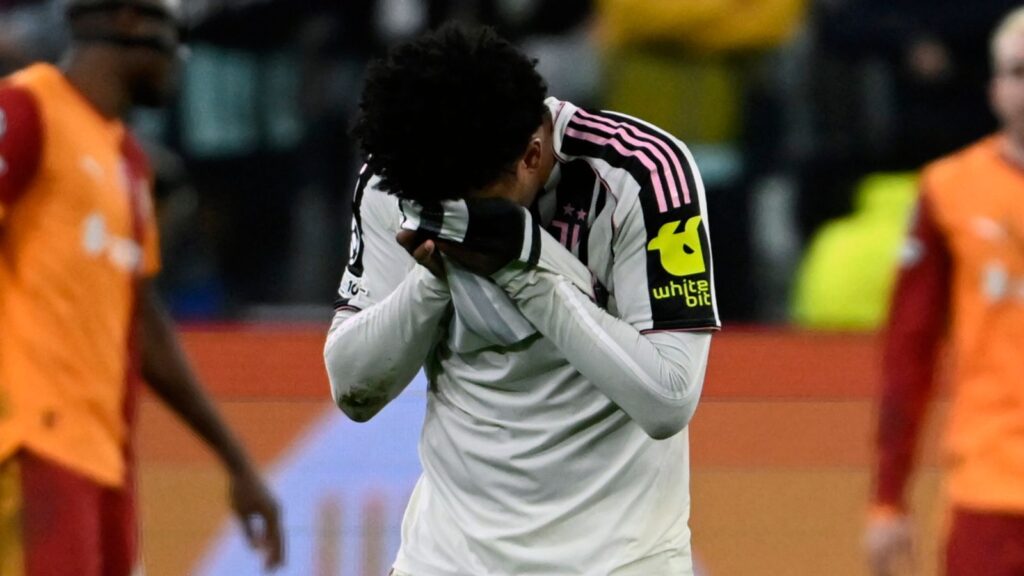
Juventus also suffered a dramatic elimination after losing 7–5 on aggregate to Galatasaray SK despite a spirited performance that included extra time with ten men.
Meanwhile, reigning champions SSC Napoli failed to progress from the league phase entirely, while AC Milan were absent from European competition this season.
Even in secondary tournaments, Italian clubs have struggled to dominate. Teams such as AS Roma and Bologna FC 1909 remain active in the Europa League, but the overall picture for Serie A in Europe remains disappointing.
A Slower League Falling Behind Europe
One of the main criticisms directed at Serie A has been the slower pace of football compared to other top European leagues.
Italian teams have struggled when facing opponents who press aggressively and play at high intensity. The contrast has become especially clear in European competitions where speed and athleticism often determine success.
Former manager Fabio Capello highlighted this issue, noting that Italian teams often struggle when forced to match the tempo of faster opponents.
Serie A has one of the lowest direct-speed metrics among Europe’s major leagues, and this difference in tempo has made Italian teams less effective against high-energy opposition.
By comparison, clubs from Premier League have thrived in Europe this season, with multiple English teams reaching the knockout rounds.
The gap in intensity has become increasingly noticeable in recent years.
Financial Limitations and Spending Power
Another major factor behind Serie A’s decline is financial inequality between Italian clubs and their European rivals.
Italian teams have struggled to compete with the spending power of clubs in England, Spain, and Germany. Limited budgets have forced clubs to rely on free transfers and experienced players rather than investing heavily in young stars.
Recent transfer activity illustrates this trend, with Italian clubs making relatively modest signings compared to Europe’s biggest spenders.
The lack of financial muscle has made it difficult for Serie A teams to retain top talent or attract elite players during their prime years.
Aging Squads and Lack of Youth Development
Italian football is also facing concerns about its future talent pipeline.
Serie A clubs have increasingly relied on experienced players rather than developing young prospects. In recent seasons, only a small percentage of playing time has gone to players under 21 years old compared to other major leagues.
This limited opportunity for young players has affected the development of future stars and reduced Italy’s presence in international transfer markets.
The national team has also felt the impact, with fewer young players breaking into senior international football.
This trend raises long-term concerns about the competitiveness of Italian football at both club and international level.
Tactical Stagnation
Another criticism often directed at Serie A is the perceived lack of tactical innovation.
While other leagues have embraced modern pressing systems and fluid attacking structures, Italian football has often remained rooted in traditional tactical approaches.
Many clubs have continued to appoint familiar coaches from within the Italian system rather than introducing new tactical ideas from abroad.
However, there have been some encouraging signs. Clubs experimenting with new coaching philosophies have shown that change is possible, suggesting Italian football could still modernize in the coming years.
Infrastructure Challenges
Infrastructure is another key issue affecting Italian football.
Unlike many European clubs, Italian teams often play in aging stadiums with limited commercial potential. Modern stadiums generate significant revenue through events, hospitality, and non-matchday activities — an area where Italian clubs have lagged behind.
The iconic San Siro stadium, shared by Inter and Milan, remains one of football’s historic venues but is widely seen as outdated compared to modern stadiums across Europe.
Limited stadium revenue has restricted club finances and reduced the ability to invest in players and facilities.
A Warning Sign for Italian Football
The current Champions League campaign may represent a turning point for Italian football.
With only Atalanta reaching the last 16, Serie A’s standing among Europe’s elite leagues is under serious threat. The gap between Italian clubs and their European rivals appears to be widening in areas such as finance, youth development, infrastructure, and playing style.
Unless significant changes are made, Italian clubs could continue to struggle in European competitions.
Conclusion
Atalanta’s qualification has provided a rare positive moment for Italian football this season, but it cannot hide the deeper problems affecting Serie A. The early elimination of Juventus, Inter Milan, and Napoli reflects broader challenges that the league must address to remain competitive in Europe.
Italian football still possesses a rich history and passionate fanbase, but the modern game is evolving rapidly. Without investment, innovation, and structural reform, Serie A risks falling further behind Europe’s top leagues.
The success or failure of Atalanta in the knockout stages may ultimately serve as a symbol of where Italian football stands today — proud of its past but searching for a stronger future.
Source: Skysports.com.
Also read: Tottenham Relegation Battle: Igor Tudor Calls Spurs Survival Fight His Biggest Challenge
Continue Reading

Ozempic and Mounjaro Not Banned by WADA in 2027: But Athletes Face Warning
Athletes will remain permitted to use weight-loss drugs such as Ozempic and Mounjaro under World Anti-Doping Agency rules in 2027, but WADA is continuing to monitor the medications amid concerns about possible performance benefits, health risks and misuse in elite sport. The rapidly growing use of GLP-1 weight-loss medications has created a new challenge for […]
 Frank Ocansey

Chelsea Spent £349m: So Why Are Two Right-Backs Playing in Midfield?
Chelsea spent £349 million during the summer transfer window and signed 10 first-team players, yet their 2-1 defeat by Arsenal ended with Reece James and Malo Gusto two players who began their careers as right-backs operating together in midfield. It was a striking image that raised a difficult question: have Chelsea rebuilt almost everywhere except […]
Frank Ocansey

How Harry Kane Scored 73 Goals by Dropping Deeper Than Ever for Bayern Munich
Harry Kane has just produced the most prolific season of his career, scoring 73 goals for club and country. What makes that achievement even more remarkable is that the Bayern Munich striker has been operating deeper than ever before sometimes appearing in midfield and even close to his own penalty area. Rather than reducing his […]
Frank Ocansey