
Ghana Reparations: Ghana Demands Reparations at the UN for the Transatlantic Slave Trade

Frank Ocansey
Editor, PulseView
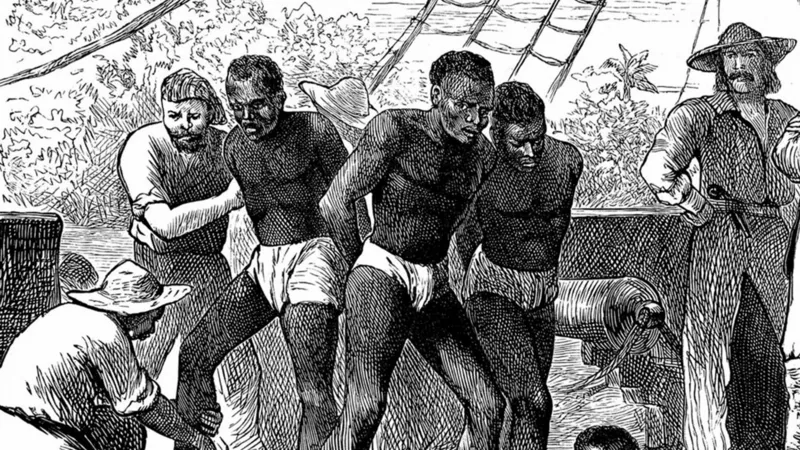
Ghana Reparations: Ghana has taken a historic step at the United Nations by leading a groundbreaking initiative to formally recognize the transatlantic slave trade as one of the “gravest crimes against humanity.” The resolution, tabled by Ghana, calls on UN member states to consider issuing official apologies and contributing to a reparations fund to address the long-lasting impacts of slavery.
A Call for Justice, Not Personal Gain
Samuel Okudzeto Ablakwa, Ghana’s foreign minister, emphasized that the push for reparations is not about money for political leaders. “We are demanding justice for the victims and their descendants,” Ablakwa said. He explained that the proposed funds would support educational programs, skill-building initiatives, and community development projects aimed at helping African nations and the African diaspora recover from centuries of exploitation.
The resolution has already gained significant backing from regional and international organizations, including the African Union and the Caribbean Community, reflecting a growing global movement for “reparatory justice.”
The Human Cost of the Slave Trade
Between the 16th and 19th centuries, an estimated 12–15 million Africans were captured and transported to the Americas, where they were forced into slavery under brutal conditions. Over two million people are believed to have died during the treacherous Middle Passage alone.
The effects of this tragic history persist today in the form of systemic racial inequalities and underdevelopment that continue to impact African nations and communities of African descent worldwide.
“Many generations continue to suffer exclusion and racism because of the transatlantic slave trade,” Ablakwa said. “This resolution is about documenting a historical fact, not ranking pain, and ensuring that the world acknowledges this shared history.”
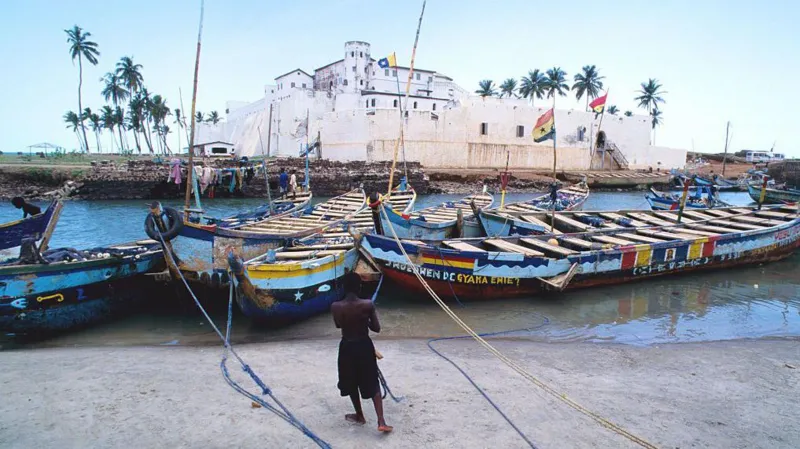
Preserving History and Cultural Heritage
Ghana was one of the primary gateways of the transatlantic slave trade. Forts such as Elmina and Cape Coast still stand along the West African coast as stark reminders of this dark chapter in history. These historical sites are central to Ghana’s call for justice, education, and remembrance.
The resolution also calls for the return of cultural artifacts looted during the colonial era. Ablakwa stressed the importance of reclaiming these treasures, noting that they hold immense cultural, spiritual, and historical significance for African nations. Returning them is seen as a critical step toward cultural restoration and recognition of African heritage.
Global Implications and Leadership
President John Dramani Mahama described the UN resolution as “historic” and a crucial safeguard against forgetting the atrocities of the transatlantic slave trade. He also criticized policies from the former administration of U.S. President Donald Trump, which he said contributed to erasing Black history by restoring Confederate statues and limiting slavery exhibits in museums.
Ghana’s leadership in this movement underscores a broader push for global accountability and reparatory justice. By advocating for formal apologies, financial contributions, and the return of stolen cultural artifacts, Ghana is positioning itself as a leader in the fight to address the enduring legacy of slavery.
Looking Ahead
The proposed UN resolution represents a milestone in the global conversation about reparations and historical justice. While some countries, including the UK, are expected to resist reparations due to claims that modern institutions cannot be held accountable for historical crimes, advocates argue that acknowledging and addressing past injustices is essential for healing, reconciliation, and building equitable futures.
Ghana’s initiative is a powerful reminder that history cannot be forgotten and that true justice requires both recognition and tangible support for communities still affected by centuries of exploitation.
Source: BBC.com
Continue Reading

Chelsea 4-3 Brighton: Blues Survive Seven-Goal Thriller to Maintain Xabi Alonso’s Perfect Start
Chelsea continued their impressive start under new manager Xabi Alonso with a dramatic 4-3 victory over Brighton at Stamford Bridge on Sunday. In a match packed with goals, momentum swings and attacking football, the Blues raced into a commanding three-goal lead before Brighton mounted a spirited comeback. Romeo Lavia, Pedro Neto and Joao Pedro put […]
 Junior Kojo

UHAS exams suspended: UHAS Suspends 2025/2026 Semester Exams Over Administrative and Logistical Issues
UHAS exams suspended: The University of Health and Allied Sciences (UHAS) has suspended its ongoing end-of-second-semester examinations for the 2025/2026 academic year, citing unresolved administrative and logistical challenges. The University of Health and Allied Sciences (UHAS) has temporarily halted its ongoing End-of-Second-Semester Examinations for the 2025/2026 academic year, leaving students awaiting a revised examination timetable. […]
Frank Ocansey

Former Cambridge Professor Jason Arday Found Dead at 41 After Plagiarism Controversy
Former University of Cambridge professor Jason Arday has died at the age of 41, just days after resigning from his position amid allegations of plagiarism and intense scrutiny of his academic career. Professor Jason Arday, the British academic whose rise to become one of the youngest Black professors at the University of Cambridge attracted widespread […]
Frank Ocansey