
Oil and gas prices fall after Trump signals Iran war may be short-lived

Frank Ocansey
Editor, PulseView
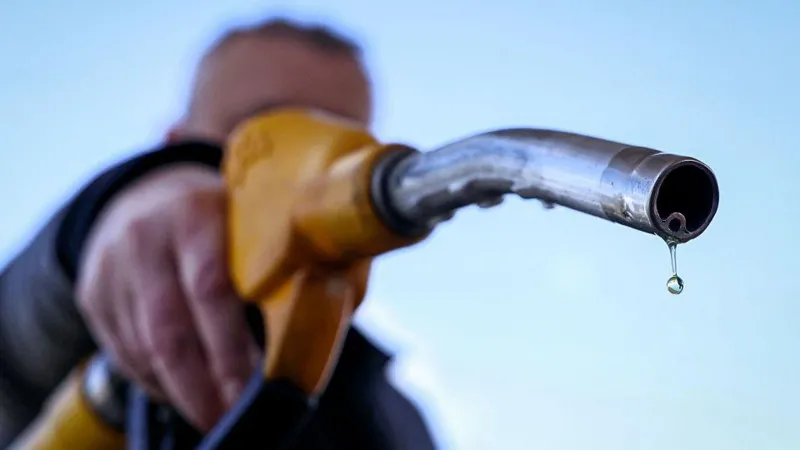
Global oil and gas prices fell sharply on Tuesday after Donald Trump suggested the ongoing conflict involving Iran might not last long.
Oil prices had surged to nearly $120 per barrel on Monday amid fears that the war could severely disrupt energy supplies from the Middle East. However, prices dropped to around $92 after Trump told reporters the war was “very complete, pretty much,” raising hopes that the conflict could soon ease.
The drop in prices also helped lift stock markets in Europe and Asia, although markets in the United States opened slightly lower on Tuesday.
Oil and gas prices: Warning from the world’s largest oil exporter
Despite the fall in prices, the chief executive of Saudi Aramco, Amin Nasser, warned that the situation could still have serious consequences for the global economy.
He cautioned that the disruption to shipping through the Strait of Hormuz could create a major supply bottleneck if it continues.
Around 20% of the world’s oil normally passes through the narrow waterway, which connects the Persian Gulf to global markets. However, shipping traffic has largely halted since the conflict began more than a week ago.
Nasser noted that global oil reserves are already at their lowest levels in five years, meaning any prolonged disruption could drain stockpiles quickly.
“The longer the disruption goes on, the more drastic the consequences for the global economy,” he warned.
Global leaders consider releasing emergency oil
In response to the rising volatility in energy markets, the International Energy Agency held a second meeting with the Group of Seven nations to discuss possible measures to stabilise the oil market.
One option under consideration is releasing millions of barrels of crude oil from emergency national reserves.
A final decision has not yet been made, but member governments are expected to meet again to determine whether such emergency stockpiles should be used.
Tensions remain high
While markets briefly calmed, tensions remain high. Donald Trump warned that if Iran attempted to block oil shipments through the Strait of Hormuz, the United States would respond with overwhelming force.
Iran’s Islamic Revolutionary Guard Corps responded by saying the country’s armed forces would not allow the export of “a single litre of oil from the region” if the conflict escalated.
These threats have contributed to significant volatility in energy markets.
Markets react to easing fears
Despite ongoing tensions, hopes that the war might be short-lived helped boost global stock markets.
London’s FTSE 100 rose by about 1.2%, while Germany’s DAX climbed 1.9%. France’s CAC 40 also increased by around 1.4%.
In Asia, Japan’s Nikkei 225 closed nearly 3% higher, while South Korea’s KOSPI surged more than 5%.
However, US markets — including the S&P 500, Dow Jones Industrial Average, and Nasdaq Composite — slipped slightly when trading began.
Oil prices still higher than before the conflict
Even after the decline, oil prices remain significantly higher than they were before the conflict began on 28 February.
At that time, Brent crude was trading at around $73 per barrel. On Tuesday it was still hovering close to $92, reflecting continued uncertainty in global energy markets.
Gas prices also dropped sharply, with UK month-ahead gas prices falling to about 126p per therm, down from Monday’s peak of 171p.
Uncertain outlook for energy markets
Energy analysts say the market remains extremely sensitive to developments in the Middle East.
According to Alberto Bellorin, founder of investment firm InterCapital Energy, oil markets are currently in a “total tug-of-war”.
Prices could spike again if the conflict escalates or shipping routes remain blocked, but they may fall quickly if tensions ease.
For now, global markets are closely watching developments around the Strait of Hormuz, where the flow of energy supplies remains uncertain.
Source: BBC.com
Also Read: Trump warns Iran over Strait of Hormuz shipping threats
Continue Reading
Ghana’s producer inflation edges up to 1.5% in March amid mixed sector performance
Producer inflation: Producer price inflation (PPI) in Ghana recorded a marginal increase in March 2026, rising to 1.5% from 1.4% in February, according to the latest data released by the Ghana Statistical Service (GSS). The slight 0.1 percentage point uptick reflects a modest increase in the cost of goods and services at the factory gate, […]
Frank Ocansey
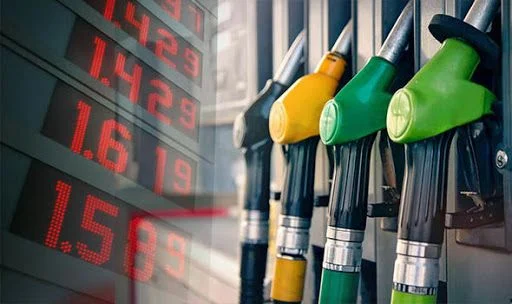
Government announces reduction in fuel price as intervention takes effect April 16
Reduction in fuel price: The Government of Ghana has announced a reduction in the prices of petrol and diesel, set to take effect from April 16, 2026, as part of measures to cushion consumers against rising global fuel costs. Under the new directive, petrol will see a reduction of GH¢0.36 per litre, while diesel prices […]
Frank Ocansey
Gary Neville Urges Arsenal to Stay Calm Ahead of Title-Deciding Clash with Manchester City
Title-Deciding Clash: The Premier League title race has taken another dramatic turn, with Arsenal FC now under increasing pressure ahead of a crucial showdown against Manchester City. Former England defender Gary Neville has warned the Gunners that emotional control could be the key factor in determining the outcome of their season. With just a handful […]
 Junior Kojo