
Isometric Exercise: The Most Efficient Fitness Regime You Can Do at Home

Frank Ocansey
Editor, PulseView
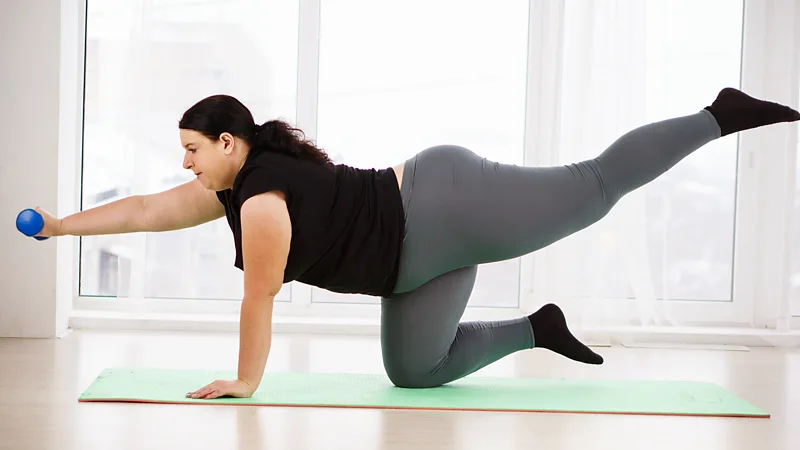
Isometric Exercise: When most of us think about getting fit, images of running on a treadmill, sweating through high-intensity interval training (HIIT), or lifting heavy weights usually come to mind. Yet recent research suggests you don’t need to spend hours in the gym to see real health benefits.
In fact, one of the most effective ways to improve your strength and cardiovascular health may involve barely moving at all.
Isometric exercises, which involve holding static poses—like a squat against a wall or extending a leg while sitting—can provide significant improvements in heart health, blood pressure, and muscular strength. For people struggling to fit workouts into their daily routines, isometric training offers a quick, low-impact solution. According to the World Health Organization, global inactivity increased from 26% in 2010 to 31% in 2022, highlighting the need for accessible exercise options.
The Evidence Behind Isometric Exercise
The benefits of isometric exercise are backed by decades of research. Early studies from the 1990s suggested that static muscle contractions could lower blood pressure, but larger-scale analyses have recently confirmed these findings. In 2023, a meta-analysis of nearly 16,000 participants examined the effects of three isometric exercises—handgrip, wall squats, and leg extensions—performed four times a week in two-minute intervals.
The results were striking:
- Isometric exercise: reduced blood pressure by 8.24/4.00 mmHg
- Aerobic exercise: reduced blood pressure by 4.49/2.53 mmHg
- Medication comparison: standard antihypertensive medication reduces around 9/4 mmHg
These findings suggest that a 14-minute isometric session, three times a week, can nearly match the effects of prescription medication for controlling high blood pressure. Considering hypertension is a leading risk factor for cardiovascular disease, the potential benefits are enormous.
How Isometric Exercises Improve Strength and Heart Health
Isometric training works by contracting muscles without changing their length. When you hold a static pose, your blood vessels compress, temporarily reducing oxygen supply and causing a build-up of waste products. Once the hold ends, blood flow surges back, reducing long-term blood pressure and improving arterial health.
Dr. Melanie Rees-Roberts, senior research fellow at the Centre for Health Services Studies at the University of Kent, UK, explains:
“It’s incredibly accessible. You can do it in your house without equipment, without going outside if it’s raining, and without breaking a sweat.”
Beyond cardiovascular benefits, isometric exercises also improve muscular strength. Holding a pose engages motor units—collections of nerves that control muscles—enhancing muscle activation and force generation. Dan Gordon, a world-record-holding track cyclist, shares:
“I’d hold a very heavy bar in a squat position before cycling. Once all my motor units were activated, I could accelerate much faster on the bike. It’s a technique that works for athletes and everyday strength alike.”
For older adults, this approach can help with basic mobility, such as pushing up from a chair or climbing stairs, by priming muscles before movement.
Key Exercises to Get Started
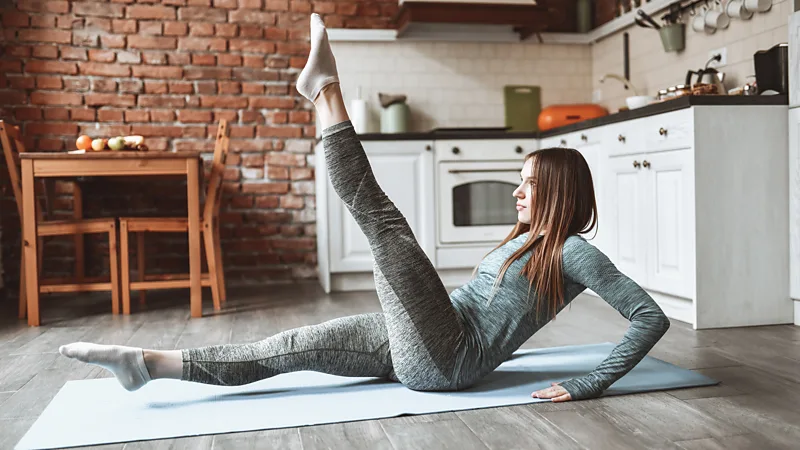
Here are the three isometric exercises backed by research:
- Wall Squat: Lean against a wall with knees bent at 90–110 degrees, hold for 1–2 minutes. Beginners can start with a shallower angle.
- Handgrip Exercise: Squeeze a handgrip or stress ball continuously for two minutes per session.
- Leg Extension: Sit with one leg extended and hold for two minutes, then switch legs.
Experts recommend holding the pose for two minutes per repetition for optimal blood pressure reduction, though beginners may start shorter or with less intense angles.
Integrating Isometric Exercise Into Your Routine
Even if you’re already active, adding isometric exercises can complement your routine. While cardio remains more effective for weight loss and increasing VO₂ max, static holds specifically target blood pressure reduction and strength building.
Professor Jim Wiles, co-author of the 2023 meta-analysis, says:
“Isometric exercise is particularly suitable for those with joint or mobility issues. The wall squat, when done correctly, is safer than running or lifting heavy weights.”
Because these exercises are low-impact, they’re ideal for people recovering from injury, older adults, or anyone looking for an accessible way to improve fitness.

What We Still Don’t Know
While handgrips, wall squats, and leg extensions have proven benefits, it’s unclear whether other static poses like planks, side planks, or front levers have the same effect. A 2025 small study showed that four 2-minute plank sessions could reduce blood pressure 24 hours later, but larger, long-term trials are needed to confirm this.
Ongoing research is tracking over 700 participants with high blood pressure performing wall squats at home for six months. The study will help refine intensity, duration, and long-term benefits, including for those on medication.
Final Thoughts: Why You Should Start Today
Isometric exercise proves that effective workouts don’t have to be time-consuming or complicated. A quick 14-minute session, three times a week, can lower blood pressure, build strength, and improve heart health—all from the comfort of home.
Whether you’re a beginner, elderly, or a seasoned athlete, incorporating handgrips, wall squats, and leg extensions into your routine can lead to measurable improvements in fitness and well-being.
Start small, focus on proper form, and gradually build up your endurance. In just a few weeks, you may notice that this simple, static approach can make a meaningful difference to your strength, mobility, and cardiovascular health.
Start your isometric exercise journey today—no gym required. Try holding a wall squat or leg extension for two minutes and feel the difference in your strength and heart health!
Source: BBC.com
Also read: How menstrual blood is helping scientists better understand women’s health
Continue Reading

Health Minister Reacts as UN Family Planning Supplies Sit at Tema Port Since 2024
Family Planning: Health Minister Kwabena Mintah Akandoh has expressed surprise over reports that family planning commodities donated by the United Nations Population Fund (UNFPA) have been left at the Tema Port since August 2024 without being cleared. Speaking during a media briefing on April 13, the Minister said he was not aware of the prolonged […]
Frank Ocansey
Why calories aren’t as simple as “eat less, move more”
Emerging research shows that how, when, and even how fast we eat can significantly influence how our bodies process calories. For decades, weight management has been framed as a straightforward equation: calories consumed versus calories burned. While this principle still holds some truth, scientists now emphasise that it oversimplifies a much more complex biological process. […]
Frank Ocansey

Feeling Drained? Eight Types of Hidden Work That Leave Women Overwhelmed
Feeling Drained? In today’s fast-paced world, women often carry an invisible, yet overwhelming, burden: the mental load. This is the cognitive effort required to keep a household functioning smoothly—planning meals, managing schedules, remembering birthdays, organising childcare, and even researching fun activities. Professor Leah Ruppanner, a sociologist at the University of Melbourne and author of Drained, […]
Frank Ocansey