
Signs and Symptoms of Ebola: What You Need to Know

Samuel Stefano
Editor, PulseView
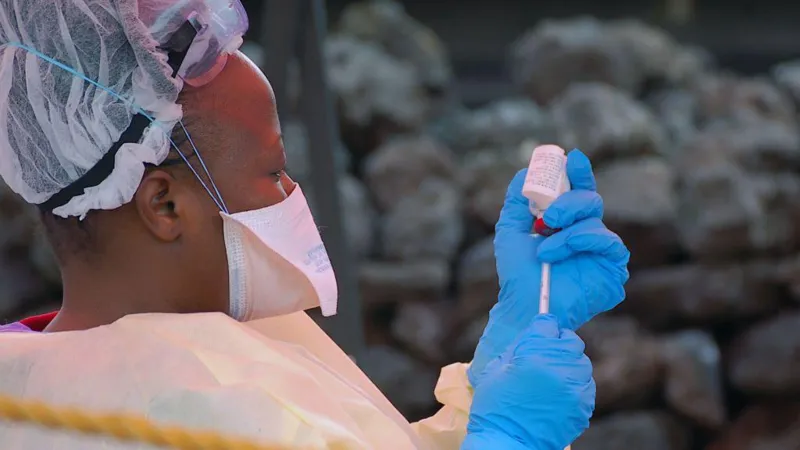
Signs and Symptoms of Ebola: Ebola Virus Disease (EVD) is a severe and often deadly illness caused by the Ebola virus. The disease spreads through direct contact with infected bodily fluids and can rapidly worsen if not identified and treated early.
Recognising the signs and symptoms of Ebola Virus Disease is extremely important because early detection can help reduce transmission and improve survival chances.
Incubation Period
After a person is infected with Ebola, symptoms do not appear immediately.
The incubation period the time between infection and the appearance of symptoms usually ranges from 2 to 21 days, with most people developing symptoms within 8 to 10 days.
During the incubation period, the infected person may not show symptoms and is generally not contagious until symptoms begin.
Early Signs and Symptoms of Ebola
The first symptoms of Ebola are often similar to common illnesses such as malaria, typhoid, or flu, which can make early diagnosis difficult.
Common early symptoms include:
1. Sudden High Fever
One of the earliest signs is a sudden rise in body temperature.
Patients may feel extremely hot, weak, and uncomfortable.
2. Severe Headache
Persistent and intense headaches are common during the early stage of infection.
3. Extreme Weakness and Fatigue
People infected with Ebola often experience overwhelming tiredness and loss of energy.
Even simple activities may become difficult.
4. Muscle and Joint Pain
Patients may develop body pains, muscle aches, and joint discomfort.
5. Sore Throat
A painful or dry throat may occur in the early stages.
6. Loss of Appetite
Many patients lose interest in food and may become weak quickly.
Progressive Symptoms of Ebola
As the disease worsens, symptoms become more severe and dangerous.
These include:
7. Vomiting
Frequent vomiting is common and contributes to dehydration.
8. Diarrhoea
Severe diarrhoea may develop, leading to significant fluid loss.
9. Stomach Pain
Patients may complain of abdominal pain and discomfort.
10. Skin Rash
Some infected individuals develop rashes on the skin.
11. Red Eyes
The eyes may appear red due to bleeding or inflammation.
12. Difficulty Breathing or Swallowing
In severe cases, patients may struggle to breathe or swallow properly.
Severe and Dangerous Symptoms
In advanced stages, Ebola can affect multiple organs and cause life-threatening complications.
13. Internal Bleeding
Bleeding may occur inside the body, affecting organs and tissues.
14. External Bleeding
Some patients may bleed from:
- The nose
- Mouth
- Eyes
- Ears
- Injection sites
- Stool or urine
Not every Ebola patient experiences visible bleeding, but when it occurs, it is often a sign of severe disease.
15. Organ Failure
Ebola can damage vital organs including:
- Liver
- Kidneys
- Heart
This may eventually lead to shock and death.
How Ebola Spreads
Ebola spreads through direct contact with:
- Blood
- Vomit
- Sweat
- Saliva
- Urine
- Semen
- Other bodily fluids of an infected person
The virus can also spread through contaminated objects such as:
- Needles
- Clothing
- Bedding
- Medical equipment
People are at highest risk when caring for infected patients or handling dead bodies during burial ceremonies.
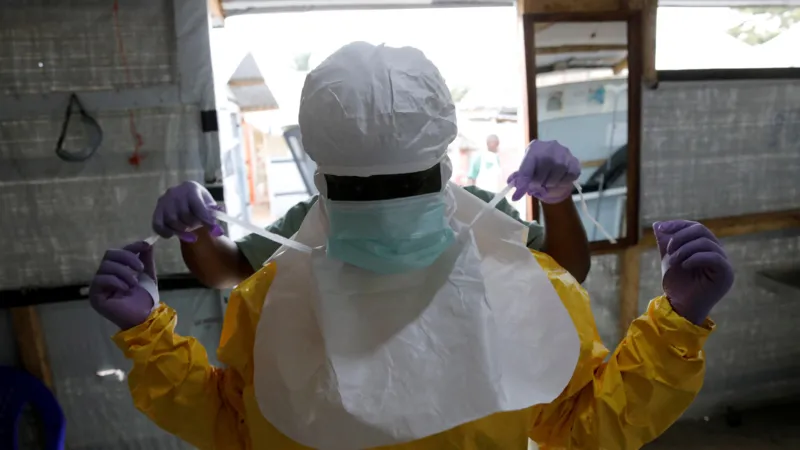
When to Seek Medical Help
Anyone who develops symptoms of Ebola after:
- Travelling to an outbreak area
- Contact with a suspected Ebola patient
- Contact with bodily fluids of an infected person
should seek immediate medical attention and avoid close contact with others.
Early treatment greatly improves survival chances.
Can Ebola Be Treated?
There is no universal cure for Ebola, but supportive treatment can significantly increase survival.
Treatment usually includes:
- Fluid replacement
- Oxygen support
- Treatment of infections
- Pain management
- Nutritional support
Some Ebola strains now have approved vaccines and treatments, although availability may vary depending on the outbreak.
How to Prevent Ebola
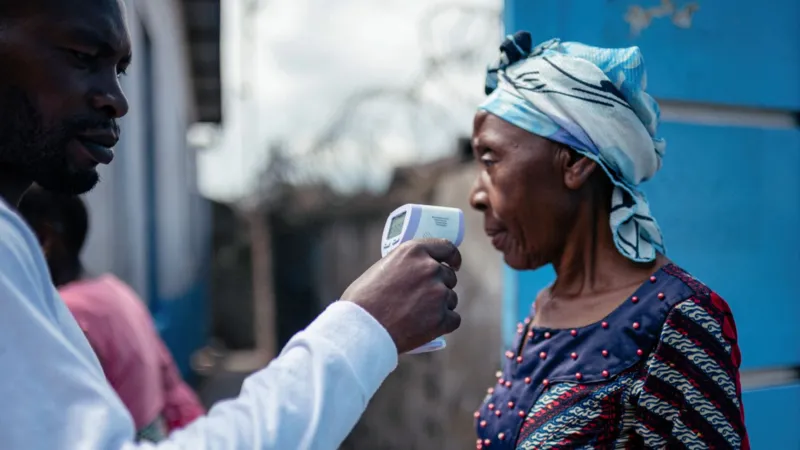
Preventive measures include:
- Frequent handwashing
- Avoiding contact with infected persons
- Wearing protective equipment when caring for patients
- Safe burial practices
- Avoiding contact with dead animals in outbreak areas
- Reporting symptoms early
Community awareness and rapid response remain critical in stopping outbreaks before they spread widely.
Also Read:
Continue Reading

How to Get Rid of Brain Fog: 9 Simple Ways to Improve Focus and Mental Clarity
Brain fog can make it difficult to concentrate, remember simple things or think clearly. While it is not a medical condition on its own, it can leave you feeling mentally slow and overwhelmed. The good news is that small changes to your daily routine may help improve focus, reduce mental overload and support better brain […]
 Frank Ocansey

What Screen Time Really Does to Children’s Brains: What the Science Says
Screen Time: Parents are repeatedly warned that smartphones, tablets, gaming and social media could damage children’s brains. But despite growing concern about screen use, researchers remain divided over how harmful it really is — and whether the amount of screen time matters as much as what children are actually doing online. Screen time has become […]
Frank Ocansey

Box Breathing for Stress: How the 4-4-4-4 Technique Helps Calm Your Nervous System
Box breathing has become one of the most popular breathing techniques for managing stress, anxiety and moments of intense pressure. Used by athletes, military personnel and people struggling with sleeplessness, the method is remarkably simple: breathe in, hold, breathe out and hold again for equal amounts of time. But what actually happens inside the body […]
Frank Ocansey