
Ebola Outbreak in Eastern DR Congo Kills 80 as Health Officials Warn of Wider Spread

Samuel Stefano
Editor, PulseView
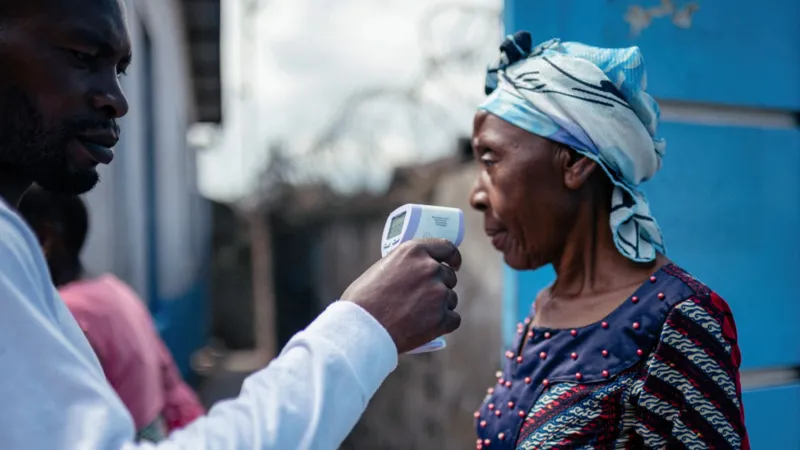
A fresh Ebola outbreak has killed at least 80 people in the eastern Democratic Republic of Congo (DR Congo), triggering growing concern among African health authorities over the potential for wider regional transmission.
The Africa Centres for Disease Control and Prevention (Africa CDC) officially declared the outbreak after nearly 246 suspected cases were reported in Ituri Province, particularly in the gold-mining towns of Mongwalu and Rwampara. Health officials say the combination of high population movement, weak healthcare systems, and insecurity in the region could make containment extremely difficult.
The outbreak marks the 17th recorded Ebola outbreak in DR Congo since the deadly virus was first identified in the country in 1976.
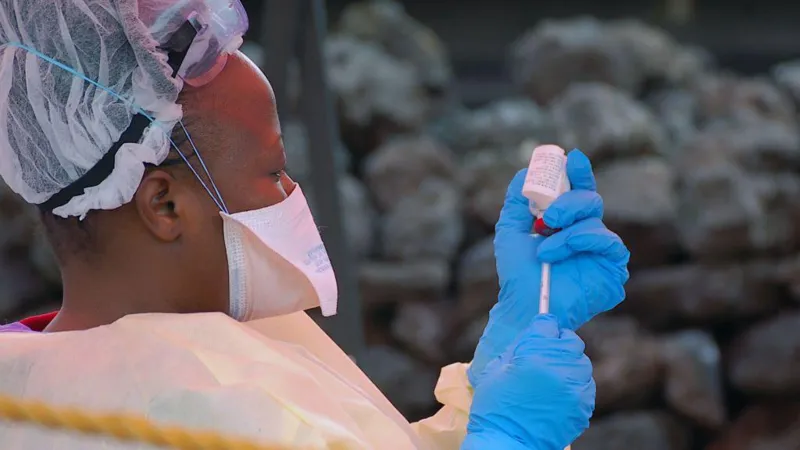
Uganda Confirms Imported Ebola Case
Regional fears intensified after neighbouring Uganda confirmed its first imported Ebola case linked to the outbreak.
Ugandan health authorities said a 59-year-old Congolese man who had travelled from DR Congo was admitted to a hospital in Kampala on Monday and later died in intensive care on Thursday after testing positive for Ebola.
Although officials say Uganda has not yet detected local transmission, surveillance systems have been intensified along border communities and health facilities.
Africa CDC says the outbreak poses a serious cross-border threat because of the heavy movement of traders, miners, transport operators, and displaced populations between DR Congo and neighbouring countries including Uganda and South Sudan.
Mining Communities at the Centre of the Outbreak
Health experts say the outbreak is concentrated in mining areas where people frequently travel between communities and across borders.
The towns of Mongwalu and Rwampara are major gold-mining centres with highly mobile populations, making it difficult to track infections and contain transmission.
Additional suspected cases have also been reported in Bunia, the provincial capital of Ituri, though laboratory confirmation is still pending.
Africa CDC Executive Director Dr Jean Kaseya warned that the urban setting of some affected areas significantly increases the risk of wider spread.
“Significant population movement between the affected areas and neighbouring countries means regional coordination is essential,” he said.
Ebola: A Deadly and Highly Infectious Virus
Ebola is one of the world’s deadliest viral diseases.
The virus spreads through direct contact with bodily fluids such as blood, vomit, sweat, saliva, urine, or through broken skin and contaminated materials.
Once symptoms begin, infected persons can rapidly deteriorate.
Early symptoms include:
- Fever
- Severe headache
- Fatigue
- Muscle pain
- Sore throat
As the disease progresses, patients may develop:
- Vomiting
- Diarrhoea
- Skin rash
- Internal bleeding
- Organ failure
According to the World Health Organization (WHO), Ebola has an average fatality rate of around 50%, though some outbreaks have recorded even higher death rates.
Scientists Still Identifying the Ebola Strains
Preliminary laboratory tests conducted at the Institut National de Recherche Biomédicale (INRB) in Kinshasa confirmed Ebola virus in 13 out of 20 samples analysed.
However, scientists are still conducting further testing to determine the exact Ebola strains responsible for the outbreak.
Identifying the strain is critical because different Ebola species respond differently to existing vaccines and treatments.
Health authorities say four of the 80 recorded deaths have already been confirmed through laboratory testing, while investigations continue into the remaining suspected fatalities.
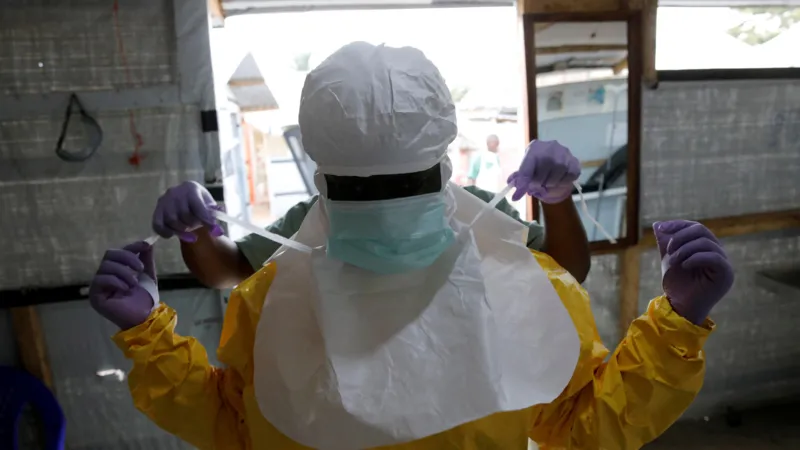
Security Challenges Could Complicate Response
One of the biggest concerns surrounding the outbreak is the ongoing insecurity in eastern DR Congo.
Ituri Province has remained under military rule since 2021 after the Congolese government replaced civilian administration with military leadership in an attempt to contain armed groups operating in the region.
The area remains volatile, with multiple rebel factions active, including the Allied Democratic Forces (ADF), which is linked to the Islamic State group.
Humanitarian workers say insecurity often disrupts disease surveillance, delays treatment, and limits access to affected communities.
Past Ebola outbreaks in DR Congo have shown that armed conflict and mistrust of authorities can significantly hamper response efforts.
DR Congo’s Long History With Ebola
DR Congo has experienced more Ebola outbreaks than any other country in the world.
The country’s deadliest outbreak occurred between 2018 and 2020, when nearly 2,300 people died despite massive international response efforts.
Last year alone, another Ebola outbreak in the remote Bulape area of Kasai Province killed 45 people.
Over the past five decades, Ebola has claimed approximately 15,000 lives across several African countries.
Despite repeated outbreaks, health officials say DR Congo has developed significant experience in managing Ebola emergencies, including contact tracing, isolation measures, safe burials, and community education.
However, experts warn that each outbreak presents unique challenges depending on the strain involved, the location, and the political environment.
Regional Emergency Meetings Underway
Africa CDC says it has already begun emergency coordination with DR Congo, Uganda, South Sudan, and international health partners to strengthen surveillance and containment measures.
The agency is expected to focus on:
- Cross-border screening
- Rapid laboratory testing
- Isolation centres
- Contact tracing
- Community awareness campaigns
- Emergency medical support
Authorities are also urging residents in affected communities to strictly follow health guidance and report symptoms early.
Also Read:
- WHO Declares DR Congo Ebola Outbreak a Global Health Emergency as Virus Spreads Across Borders
- Potentially Much Larger Than Detected: Scientists Sound Alarm as Rare Ebola Strain Spreads in DR Congo
WHO and Africa CDC Monitoring Situation Closely
Although the Congolese government had not officially declared a national outbreak at the time of the report, officials indicated that a formal announcement was expected.
Health experts say the coming days will be critical in determining whether the outbreak can be quickly contained or escalates into a larger regional health emergency.
With confirmed deaths rising, cases crossing borders, and insecurity complicating response efforts, Africa’s health agencies are now racing to stop another deadly Ebola crisis before it spirals out of control.

Source: BBC
Continue Reading

How to Exercise Safely in Air Pollution: 7 Ways to Reduce Exposure
Exercise Safely: Exercising regularly is one of the most effective ways to protect your health, but what happens when the air you breathe during a workout is polluted? For runners, cyclists and people who walk to work, traffic fumes and airborne particles can turn an otherwise healthy activity into a source of concern. During vigorous […]
 Frank Ocansey

Can We Change How Our Brains Age? What Scientists Are Discovering
Brains Age: For decades, scientists have known that the way we live can influence how well our bodies age. But a more intriguing question is now gaining attention: could technology help us understand and potentially slow the ageing of the human brain? Researchers are increasingly combining artificial intelligence, brain imaging, sleep tracking, genetics and large […]
Frank Ocansey

Getting Hands Dirty Could Boost Your Health, Scientists Say
Getting Hands Dirty: Touching soil, grass, trees and other natural materials may do more than connect us with the outdoors. Emerging research suggests that regular contact with nature can increase the diversity of microbes living on our skin and may influence how the immune system functions. For many people, getting dirty is something to avoid. […]
Frank Ocansey