
2026 FIFA World Cup: Why It Will Be the Biggest Tournament in Football History

Frank Ocansey
Editor, PulseView
The countdown to the 2026 FIFA World Cup is underway, and football fans around the globe are preparing for what promises to be the largest, most ambitious, and most commercially successful World Cup ever staged. From an expanded format featuring more teams to an unprecedented three-country hosting arrangement, the 2026 tournament is set to redefine international football on a scale never seen before.
When the world’s greatest football nations gather in North America, the tournament will not only crown a new world champion but also mark a historic turning point in the evolution of the FIFA World Cup.
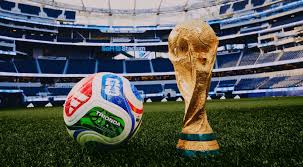
A World Cup Like Never Before
Since its inception in 1930, the FIFA World Cup has grown from a modest tournament involving just 13 teams into the world’s most-watched sporting event. Every four years, billions of viewers tune in to witness football’s biggest spectacle.
However, the 2026 edition will surpass all previous tournaments in size, reach, and global impact.
For the first time in history, the competition will be jointly hosted by three countries:
- United States
- Canada
- Mexico
This unprecedented collaboration will transform the tournament into a truly continental event spanning North America.
2026 FIFA World Cup: Expansion to 48 Teams
Perhaps the most significant change is the expansion of participating nations.
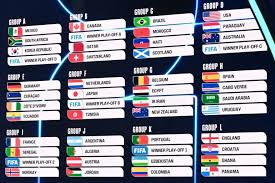
Previous World Cups featured 32 teams. The 2026 tournament will increase that number to 48 national teams, making it the largest World Cup field ever assembled.
The expansion means:
- More countries will qualify.
- More regions will be represented.
- More fans will have a stake in the tournament.
- Emerging football nations will have a greater opportunity to compete on the world stage.
FIFA believes this move will accelerate football development globally while making the competition more inclusive.
For countries that have historically struggled to qualify, the expanded format could open the door to a first-ever World Cup appearance.
Record Number of Matches
The increase in participating teams naturally leads to more games.
The 2026 World Cup will feature 104 matches, compared to 64 matches in the 2022 tournament in Qatar.
This represents a dramatic increase in football action and entertainment.
Fans can expect:
- More group-stage matches
- More knockout fixtures
- More opportunities for upsets
- Greater television coverage
The tournament will run for approximately six weeks, making it the longest and most extensive World Cup ever organized.
The Largest Audience in History
The World Cup is already the most-watched sporting event globally, attracting billions of viewers.
The 2022 World Cup final between Argentina and France reportedly attracted more than one billion viewers worldwide.
With more teams, more matches, and the enormous media markets of North America involved, FIFA expects the 2026 tournament to break every previous broadcasting record.
Streaming platforms, social media, and digital engagement are also expected to reach unprecedented levels.
North America’s Massive Infrastructure Advantage
Unlike many previous hosts that required extensive stadium construction projects, the United States, Canada, and Mexico already possess world-class sports infrastructure.
The tournament will utilize some of the largest stadiums in the world, including venues capable of seating more than 70,000 spectators.
Many host cities already have:
- Modern airports
- Advanced transportation systems
- Large hotel capacities
- Extensive entertainment facilities
This infrastructure allows organizers to focus on enhancing the fan experience rather than building entirely new facilities.
Historic Host Cities
Matches will be played across major cities including:
United States
- New York City
- Los Angeles
- Dallas
- Miami
- Atlanta
- Seattle
Canada
- Toronto
- Vancouver
Mexico
- Mexico City
- Guadalajara
- Monterrey
These cities represent some of the largest and most economically significant urban centres in North America.
Mexico Makes History
One remarkable milestone will belong to Mexico.
By hosting matches in 2026, Mexico will become the first country in football history to host World Cup matches in three different tournaments.
The country previously hosted:
- 1970 FIFA World Cup
- 1986 FIFA World Cup
The 2026 edition adds a third chapter to Mexico’s rich World Cup history.
Huge Economic Impact
Economists project that the tournament will generate billions of dollars in economic activity.
Expected benefits include:
Tourism Growth
Millions of international visitors are expected to travel to North America.
Job Creation
The event will support thousands of temporary and permanent jobs across sectors such as:
- Hospitality
- Transportation
- Security
- Tourism
- Media
Business Opportunities
Local businesses are expected to benefit from increased spending by visitors and sponsors.
Infrastructure Investments
Host cities continue to invest in transportation improvements, stadium upgrades, and urban development projects.
A Global Festival Beyond Football
The World Cup is no longer simply a football tournament.
It has evolved into a global cultural event featuring:
- Music festivals
- Fan zones
- Tourism campaigns
- Cultural exhibitions
- International business opportunities
Host cities are expected to organize large-scale celebrations that showcase local culture alongside the tournament.
The event will serve as a platform to promote tourism and strengthen international connections.
The Rise of Football in North America
The tournament also arrives at a critical moment for football in North America.
Interest in the sport continues to grow rapidly across the region.
The success of leagues such as:
- Major League Soccer
- Liga MX
has helped build a strong football culture that FIFA hopes will expand further after 2026.
Many analysts believe the World Cup could leave a lasting legacy by inspiring a new generation of players and fans.
Could This Be the Most Competitive World Cup Ever?
The expanded format may create opportunities for surprise performances.
More teams mean:
- More football styles
- Greater regional representation
- Increased unpredictability
Nations that rarely qualify may have the chance to showcase their talent on football’s biggest stage.
At the same time, traditional powers such as:
- Brazil
- Argentina
- Germany
- France
- England
- Spain
will be aiming to lift football’s most prestigious trophy.
Looking Ahead
The 2026 FIFA World Cup represents far more than an expansion of numbers.
It symbolizes football’s continued growth as a truly global sport and reflects FIFA’s ambition to make the tournament more inclusive, accessible, and commercially successful than ever before.
With 48 teams, 104 matches, three host nations, record-breaking audiences, and billions of dollars in economic activity expected, the 2026 World Cup is poised to become the biggest sporting event in history.
For football fans around the world, the stage is set for an unforgettable summer that could redefine the future of the beautiful game.
Also read: COCOBOD Denies GH¢12 Million Sponsorship Claim to Black Stars
Continue Reading

5 Biggest Surprises of FIFA World Cup 2026 So Far
The 2026 FIFA World Cup was always expected to be different. With an expanded 48-team format, three host nations, and more matches than ever before, football fans anticipated a tournament full of excitement and unpredictability. Yet even the most optimistic supporters could not have predicted some of the remarkable developments that have already unfolded. From […]
Frank Ocansey
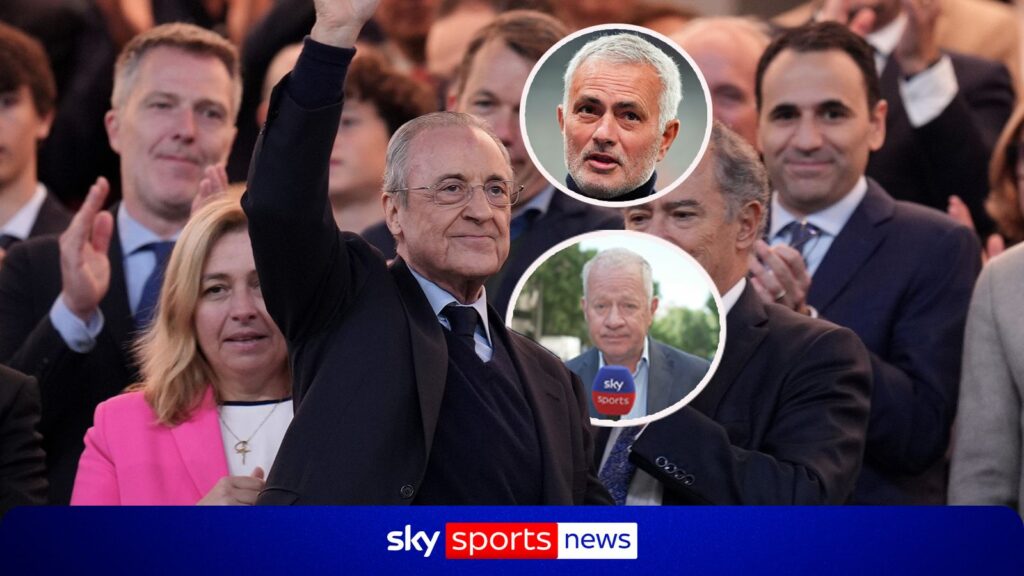
Jose Mourinho Set for Real Madrid Return After Florentino Perez Secures Eighth Presidential Term
Real Madrid are preparing to welcome back one of the most iconic managers in the club’s modern history after Florentino Perez confirmed that Jose Mourinho is set to return as head coach following his re-election as club president. The Portuguese tactician, who previously managed Los Blancos between 2010 and 2013, is expected to begin a […]
 Junior Kojo
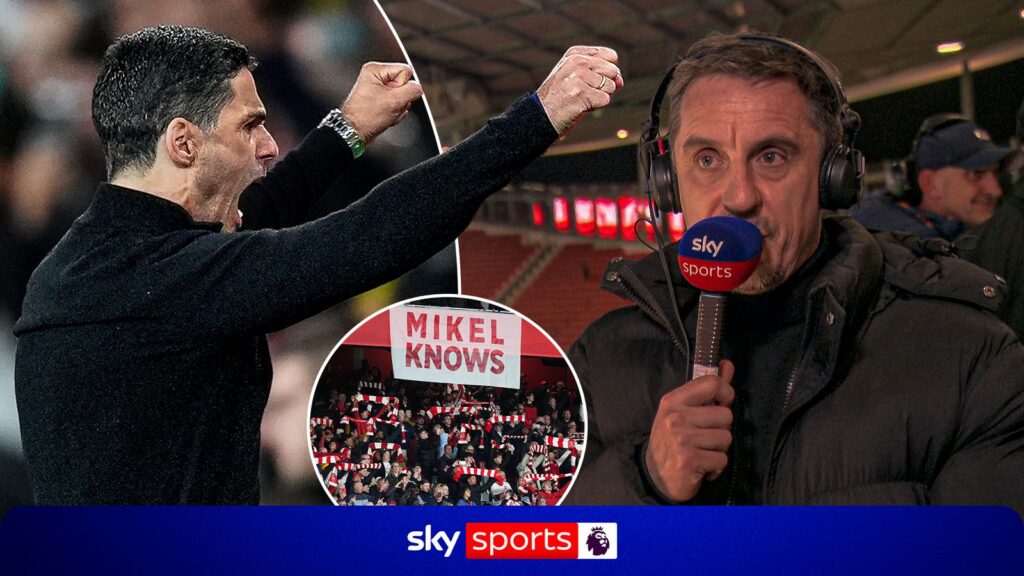
Arsenal One Step from Premier League Glory as Mikel Arteta Backs Bournemouth to Stop Manchester City
The Gunners are now just one result away from winning the Premier League title after a tense 1-0 victory over Burnley, with manager Mikel Arteta admitting he will become “the biggest Bournemouth fan ever” ahead of Manchester City’s crucial clash on Tuesday night. The title race has reached a dramatic stage, with Arsenal now depending […]
Junior Kojo