
Excel: The 40-Year-Old Software the World Still Can’t Quit

Frank Ocansey
Editor, PulseView

Four decades after its launch, Microsoft Excel remains one of the most widely used and stubbornly persistent pieces of software in the modern workplace.
Once jokingly deployed as a “boss key” in the 1990s to disguise gaming at work, Excel is now more likely to raise eyebrows among executives who view it as a barrier to digital transformation rather than a productivity aid.
Yet despite its age and growing criticism from technology leaders, Excel continues to dominate offices across the world. Research by Acuity Training suggests that nearly two-thirds of office workers open Excel at least once every hour, underlining just how deeply embedded the software has become in daily business life.
Why Excel Refuses to Fade Away
According to Tom Wilkie, Chief Technology Officer at data visualization firm Grafana, Excel’s endurance is no accident.
“The software is just a really good tool,” he says. “If you want to explore a small dataset, test an idea, or quickly create a chart for a presentation, there’s nothing better for fast and simple analysis.”
Excel’s continued presence is also reinforced by education systems, where it is taught alongside Microsoft Word and PowerPoint as a foundational digital skill. For many professionals, Excel is not just a tool but a familiar language of work.
Where the Problems Begin
However, experts warn that Excel’s convenience often leads organisations to misuse it. Professor Mark Whitehorn, Emeritus Professor of Analytics at the University of Dundee, argues that many businesses fail to distinguish between data analysis and data processing.
“There are countless small departments where data comes in, goes into a spreadsheet, is run through macros, and then spits out results,” he explains.
Macros, automated sequences of commands, can be powerful, but they often become liabilities. Poor documentation and staff turnover mean that critical spreadsheets are left running processes no one fully understands.
“The person who built the spreadsheet has left,” Whitehorn says, “and the remaining team doesn’t know how it works or how to fix it.”
Also read: U.S. Seizes Russian-Flagged Oil Tanker Linked to Venezuela After Weeks-Long Atlantic Pursuit
A Risky Way to Run Critical Systems
This reliance on Excel has had serious real-world consequences. In New Zealand, Health New Zealand revealed that Excel served as its primary financial data file, leading to errors, inconsistencies, and a lack of real-time oversight. In the UK, spreadsheet confusion disrupted the recruitment of anaesthetists in 2023, while an Excel file was at the centre of the Afghan data scandal.
From a security and governance perspective, decentralised spreadsheets make it difficult to protect data, move it across departments, or use it effectively for advanced analytics and artificial intelligence.
Breaking Free Is Harder Than It Looks
Despite the risks, moving away from Excel is rarely straightforward. Moutie Wali, Director of Digital Transformation at Canadian telecoms company Telus, has overseen a major effort to transition hundreds of employees onto a custom-built planning platform.
“The hardest part was people wanting to keep the software on the side,” he explains. “They wanted to download data and keep their old spreadsheets. We had to make a firm decision not to allow the spreadsheet to coexist with the new system.”
The payoff, however, has been significant. Wali expects the company to save around C$42 million annually by reducing inefficiencies and misaligned capital spending. Other teams within Telus are now considering similar changes.
Microsoft Pushes Back
Microsoft, for its part, rejects the idea that the software is obsolete. A spokesperson says the software has evolved into a versatile platform used more widely than ever.
“Excel remains the default tool for data analysis, modelling, and reporting across industries,” the company says, noting consistent growth in monthly usage over the past six years.
Small Businesses Face the Same Dilemma
The Excel debate is not limited to large enterprises. Kate Corden, who runs Hackney Bike Fit in London, says managing customer and equipment data across multiple spreadsheets became unsustainable.
“It’s too easy to lose data or accidentally change something,” she says.
Corden switched to LinkSpace, a structured data management system that supports complex workflows. “Having everything in one place instead of multiple Excel files will really help as the business grows,” she explains.

Letting Go of Control
For some organisations, abandoning Excel also means relinquishing a sense of personal ownership over data. Professor Whitehorn is blunt about that mindset.
“People say, ‘This is my data,’” he says. “But it isn’t. It’s the company’s data.”
The Spreadsheet That Won’t Die
Excel is unlikely to disappear anytime soon. Its simplicity, flexibility, and familiarity ensure it will remain part of the workplace—at least in some form. But as organisations push towards automation, AI, and centralised data systems, the role of spreadsheets is increasingly under scrutiny.
As Whitehorn wryly suggests, perhaps the modern “boss key” will not hide games anymore—but hide Excel itself.
Continue Reading
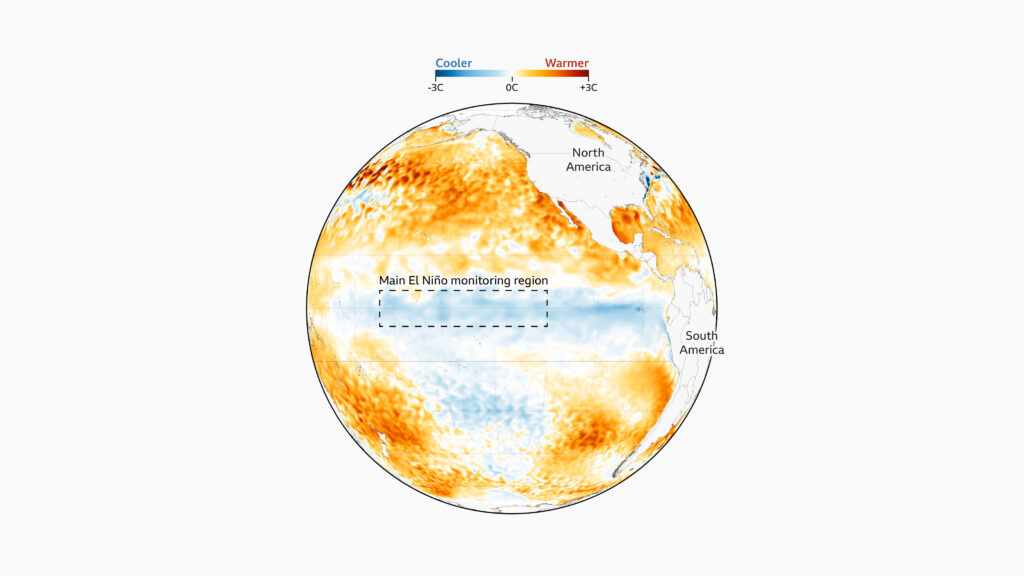
UN Warns of Powerful El Niño That Could Trigger Extreme Weather, Food Crises and Record Global Temperatures
The United Nations has issued a stark warning that a new El Niño weather phenomenon could begin within weeks and potentially develop into one of the strongest events recorded in modern history. Scientists fear the combination of a powerful El Niño and ongoing human-induced climate change could reshape weather patterns across the globe, bringing devastating […]
Frank Ocansey
Neurological Disease Treatment: How Artificial Intelligence Could Revolutionise Treatment.
Neurological Disease: Scientists are increasingly turning to artificial intelligence (AI) to speed up the search for treatments for devastating neurological conditions such as dementia, Parkinson’s disease, and motor neurone disease (MND), raising hopes that effective therapies could be discovered far sooner than previously imagined. Researchers at the UK Dementia Research Institute are using advanced AI […]
Frank Ocansey
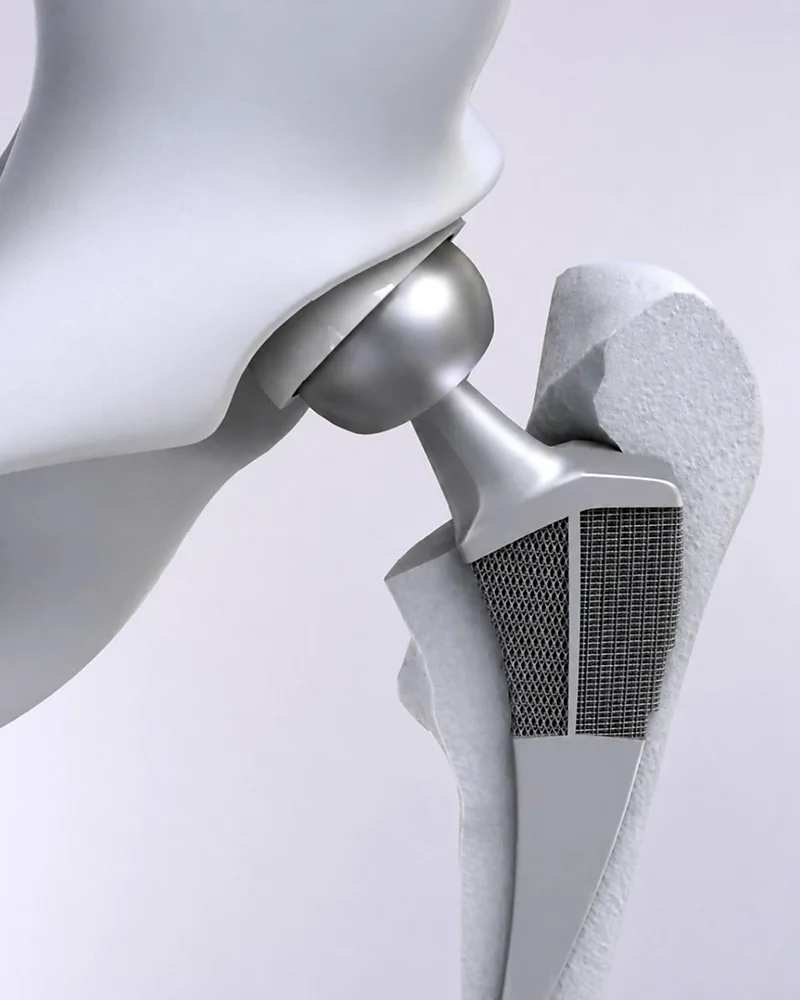
Hip Replacements: AI Designed Wonder Bone Could Revolutionise Hip Replacements and Fracture Treatment
Hip Replacements: Scientists are developing futuristic bone-like materials powered by artificial intelligence that could dramatically improve hip replacements, speed up fracture healing, and transform the future of orthopaedic medicine. Researchers say the breakthrough could lead to stronger, longer-lasting implants that behave more like real human bone solving one of the biggest challenges in modern orthopaedic […]
Frank Ocansey