
AI Videos: TikTok Removes Exploiting Black Women After BBC Investigation

Frank Ocansey
Editor, PulseView
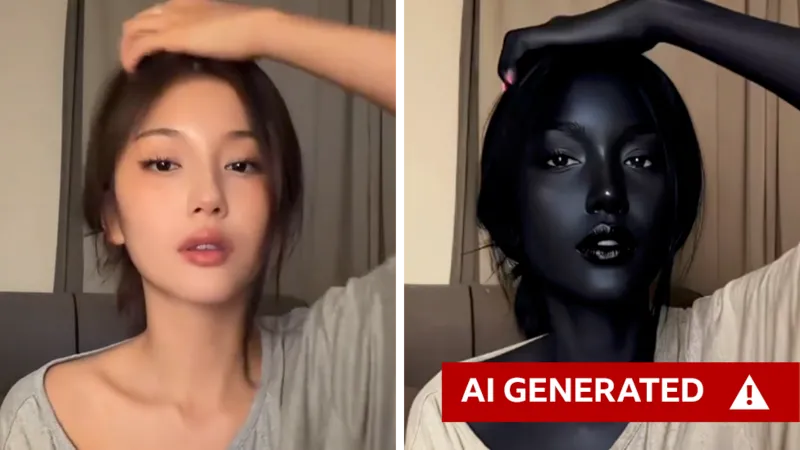
AI Videos: TikTok has banned 20 accounts following a BBC investigation that exposed the use of AI-generated avatars of Black women to drive traffic to sexually explicit websites.
The investigation revealed a troubling trend on both TikTok and Instagram, where artificially created digital characters are being used in ways that experts say are racist, exploitative, and misleading.
AI-Generated Influencers and Racial Exploitation
The BBC, in collaboration with AI research platform Riddance, identified dozens of accounts featuring highly sexualized digital avatars of Black women. These AI creations often appear with exaggerated body proportions, revealing clothing, and unnaturally dark skin tones. Crucially, these accounts failed to label their content as AI-generated, in breach of platform guidelines.
Many of the accounts leveraged racialized language and terminology in their names and posts, such as “black,” “noir,” “dark,” or “ebony,” with some explicitly referencing white men. Several accounts also followed each other or interacted extensively, suggesting a coordinated effort to promote the AI content.
Real Videos Misused to Create AI Avatars
One notable case involved Malaysian model Riya Ulan, whose original videos were stolen and digitally altered to create an AI avatar with artificially dark skin. This AI version replicated her movements, clothing, and background, but portrayed the character in sexually suggestive ways. Some of the AI videos amassed over 35 million views on TikTok and 173 million on Instagram—far exceeding Riya’s original content reach.
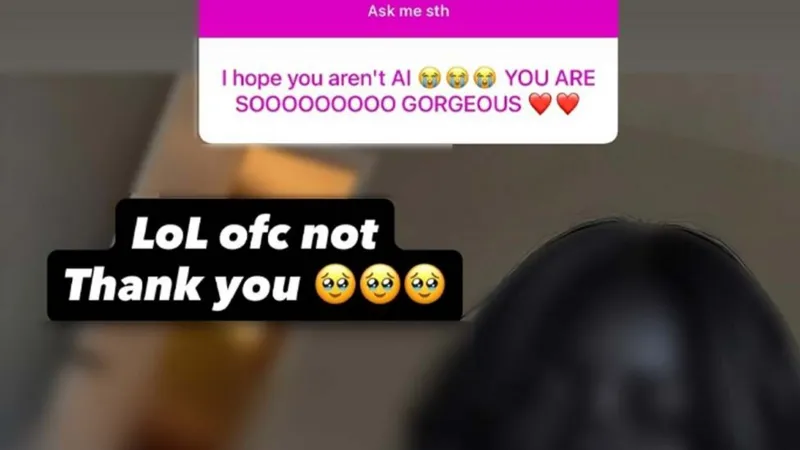
“I was angry,” Riya told the BBC. “Of course my videos are out there… but that doesn’t mean anyone can take them, manipulate them, and post them as their own.” She also expressed concern over viewers mistaking AI-generated content for reality, highlighting the growing difficulty for users to differentiate real from artificial.
Experts Speak Out on Racist AI Trends
Researchers involved in the investigation argue that these AI avatars perpetuate harmful racial stereotypes. Angel Nulani of Riddance called the trend “racist,” noting that these depictions exploit Black women while ignoring their wellbeing. Fellow analyst Jeremy Carrasco explained that AI makes it easier to produce unrealistic skin tones and exaggerated features, creating digital caricatures without social consequences or accountability.
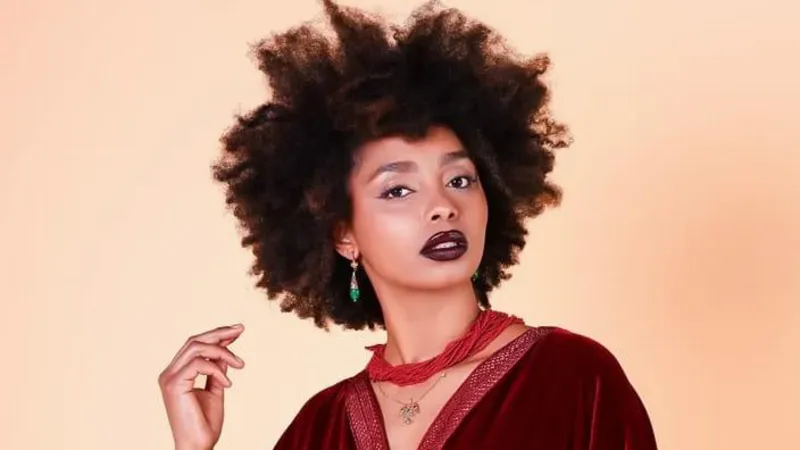
Content creators like Houda Fonone, a Moroccan model, warn that such AI trends erase authentic representations of Black women. “Silky hair, impossibly thin bodies, and flawless skin… it’s as if Black beauty is only acceptable when ‘refined’,” she said. The replacement of real experiences with artificial imagery, she adds, risks reinforcing harmful stereotypes.
Platform Responses
After the BBC highlighted the issue, TikTok confirmed that it had removed content and banned accounts violating its rules. A spokesperson said: “TikTok prohibits AI-generated content of individuals used without their permission and has zero tolerance for content promoting off-platform sexual services.”
Meta, Instagram’s parent company, stated that it was investigating the flagged content and reaffirmed its policies requiring AI-generated content to be labeled clearly. Several of the identified Instagram accounts have since been removed.
The Broader Implications
This investigation underscores the growing concerns around AI and digital manipulation. The rise of hyper-realistic AI avatars highlights the need for stricter platform oversight, ethical AI guidelines, and protections for real-world content creators. Experts emphasize that without accountability, AI tools can be used to perpetuate exploitation, racism, and misinformation on a global scale.
Source: BBC.com
Also read: AI Video: The biggest clue a video might be made with AI
Continue Reading
UN Warns of Powerful El Niño That Could Trigger Extreme Weather, Food Crises and Record Global Temperatures
The United Nations has issued a stark warning that a new El Niño weather phenomenon could begin within weeks and potentially develop into one of the strongest events recorded in modern history. Scientists fear the combination of a powerful El Niño and ongoing human-induced climate change could reshape weather patterns across the globe, bringing devastating […]
Frank Ocansey
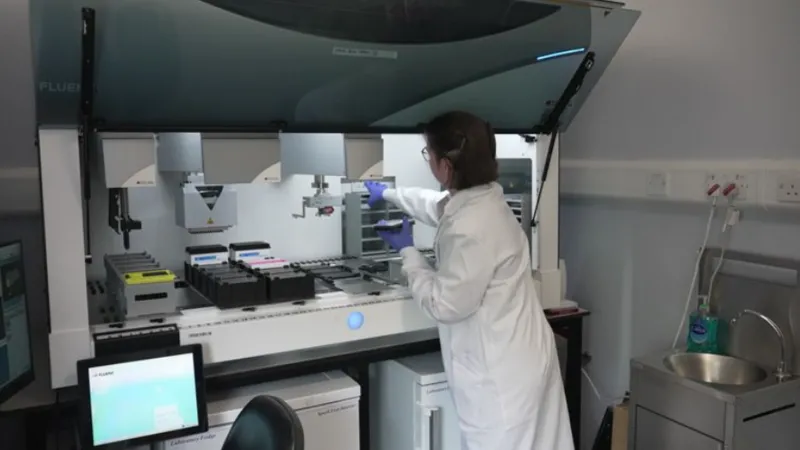
Neurological Disease Treatment: How Artificial Intelligence Could Revolutionise Treatment.
Neurological Disease: Scientists are increasingly turning to artificial intelligence (AI) to speed up the search for treatments for devastating neurological conditions such as dementia, Parkinson’s disease, and motor neurone disease (MND), raising hopes that effective therapies could be discovered far sooner than previously imagined. Researchers at the UK Dementia Research Institute are using advanced AI […]
Frank Ocansey
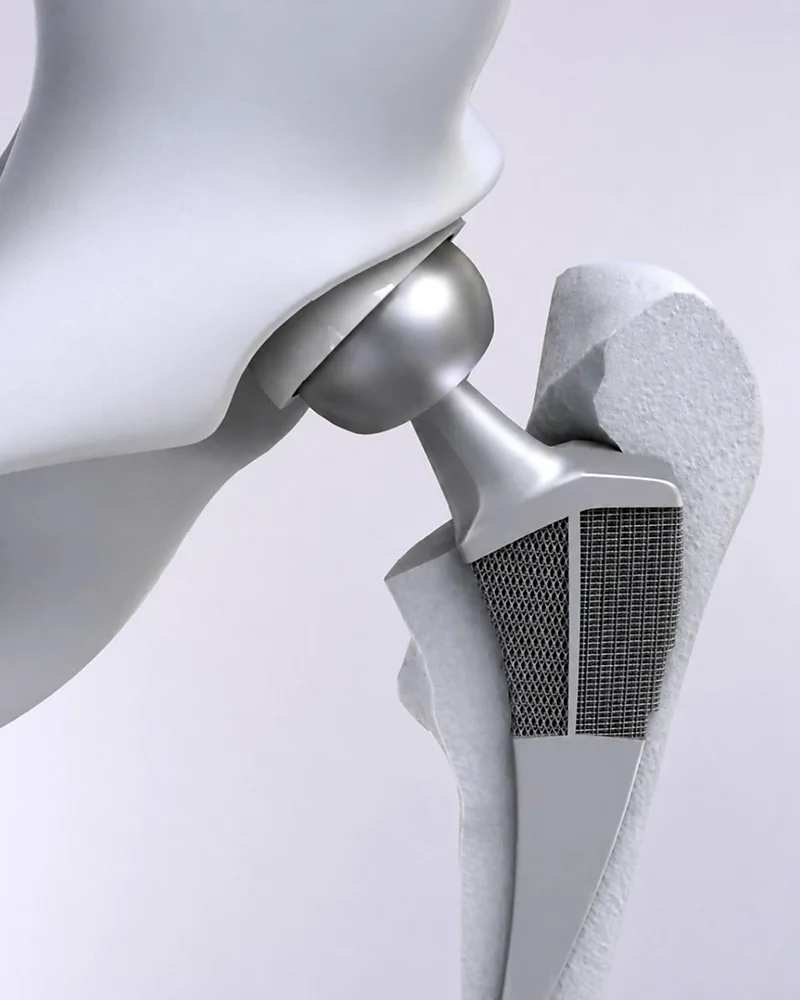
Hip Replacements: AI Designed Wonder Bone Could Revolutionise Hip Replacements and Fracture Treatment
Hip Replacements: Scientists are developing futuristic bone-like materials powered by artificial intelligence that could dramatically improve hip replacements, speed up fracture healing, and transform the future of orthopaedic medicine. Researchers say the breakthrough could lead to stronger, longer-lasting implants that behave more like real human bone solving one of the biggest challenges in modern orthopaedic […]
Frank Ocansey