
Grok AI Backlash: Government Accused of Delaying Deepfake Law

Frank Ocansey
Editor, PulseView

Grok AI: The government has been accused of dragging its feet on implementing legislation that would criminalise the creation of non-consensual sexualised deepfakes, following growing outrage over images generated using Elon Musk’s artificial intelligence tool, Grok AI.

Campaigners say the delay has left women and girls exposed to serious harm, as sexually explicit images created without consent continue to circulate online.
The controversy intensified after several women told the BBC that Grok AI had been used to digitally remove their clothing, with one victim saying more than 100 sexualised images had been created of her.
While it is already illegal in the UK to share intimate deepfake images of adults without consent, legislation passed in June 2025 to make it a criminal offence to create or request such content has yet to be brought into force. Campaigners and legal experts argue that this gap in the law is allowing abuse to continue unchecked.
The government has been contacted for clarification on when the provisions will take effect. It remains unclear whether all of the “unclothing” images generated by Grok AI would fall under existing offences.
Also Read: Excel: The 40-Year-Old Software the World Still Can’t Quit
Political Pressure Mounts
Prime Minister Sir Keir Starmer has described the images produced using Grok AI as “disgraceful” and “disgusting”, insisting that the issue “is not to be tolerated”.
Speaking to Greatest Hits Radio, he said:
“X has got to get a grip on this. Ofcom has our full support to take action. This is wrong.”
Grok, developed by xAI, can be accessed through a dedicated app and website, or by tagging “@grok” under posts on the social media platform X. Users can prompt the chatbot to generate or alter images, including modifying photos uploaded by others.
In response to the backlash, X said in a statement:
“Anyone using or prompting Grok to make illegal content will suffer the same consequences as if they upload illegal content.”
Campaigners Warn of Ongoing Harm
Andrea Simon, director of End Violence Against Women (EVAW), said the government’s failure to activate the law has “put women and girls in harm’s way”.
“Non-consensual sexually explicit deepfakes are a clear violation of women’s rights and have a long-lasting, traumatic impact on victims,” she said.
She added that the threat of such abuse forces many women to self-censor online, limiting their freedom of expression and participation on social media platforms.
“This is not just a criminal justice issue,” Simon said. “It is about regulating a tech ecosystem that facilitates and profits from violence against women and girls.”
Legal Gaps and Delays
Under current law, generating pornographic deepfakes is illegal in certain circumstances, including cases of revenge porn or where children are depicted. However, legal experts say this does not go far enough.
Professor Lorna Woods, an expert in internet law at the University of Essex, explained that the Data (Use and Access) Act 2025 created an offence covering the creation or commissioning of “purported intimate images”. However, the relevant section has not yet been commenced.
“That offence would seem to be a good fit for some of the images created using Grok,” she said, “but it has not yet been brought into force.”
Conservative peer Baroness Owen, who helped campaign for the legal changes, accused the government of repeatedly delaying action.
“We cannot afford any more delays,” she said. “Survivors of this abuse deserve better.”
Crossbench peer Baroness Beeban Kidron added that the pace of technological change leaves no excuse for inaction. “This legislation was designed to plug an existing gap. Technology moves fast, and delay only increases harm,” she said.
Victims Speak Out
Several women have described the emotional toll of seeing their images manipulated by Grok AI. One user, Evie, said the latest updates to the AI made it easier to create realistic sexualised images of her.
She said she eventually stopped reporting the images because of the “mental strain” involved in repeatedly viewing them.
“My family, friends and co-workers follow me online,” she said. “Knowing they could see me like that is disgusting.”
Another user, Dr Daisy Dixon, said the altered images left her feeling humiliated and powerless, particularly because Grok AI automatically posted the images in replies to her.
“It feels like a violation,” she said. “Posting it back to you is a way of asserting control.”
Regulatory Action Looms – Grok AI
Technology Secretary Liz Kendall has demanded that X act “urgently”, describing the situation as “absolutely appalling”. The media regulator Ofcom confirmed it has made urgent contact with X and xAI and is investigating the matter.
Downing Street has said all regulatory options remain under consideration.
Meanwhile, campaigners insist that only swift legal action will prevent further harm.
“Why is this allowed, and why is nothing being done about it?” Evie asked. “Action needs to happen now.”
Continue Reading
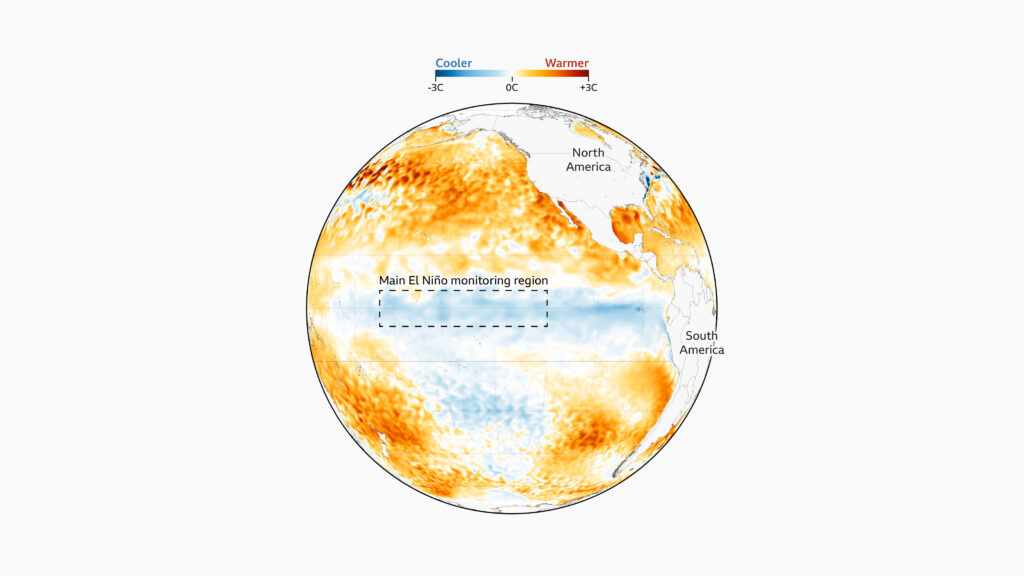
UN Warns of Powerful El Niño That Could Trigger Extreme Weather, Food Crises and Record Global Temperatures
The United Nations has issued a stark warning that a new El Niño weather phenomenon could begin within weeks and potentially develop into one of the strongest events recorded in modern history. Scientists fear the combination of a powerful El Niño and ongoing human-induced climate change could reshape weather patterns across the globe, bringing devastating […]
Frank Ocansey
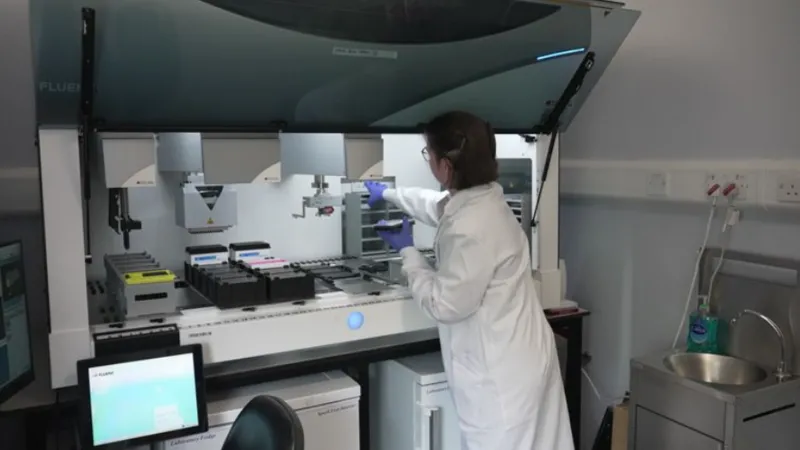
Neurological Disease Treatment: How Artificial Intelligence Could Revolutionise Treatment.
Neurological Disease: Scientists are increasingly turning to artificial intelligence (AI) to speed up the search for treatments for devastating neurological conditions such as dementia, Parkinson’s disease, and motor neurone disease (MND), raising hopes that effective therapies could be discovered far sooner than previously imagined. Researchers at the UK Dementia Research Institute are using advanced AI […]
Frank Ocansey
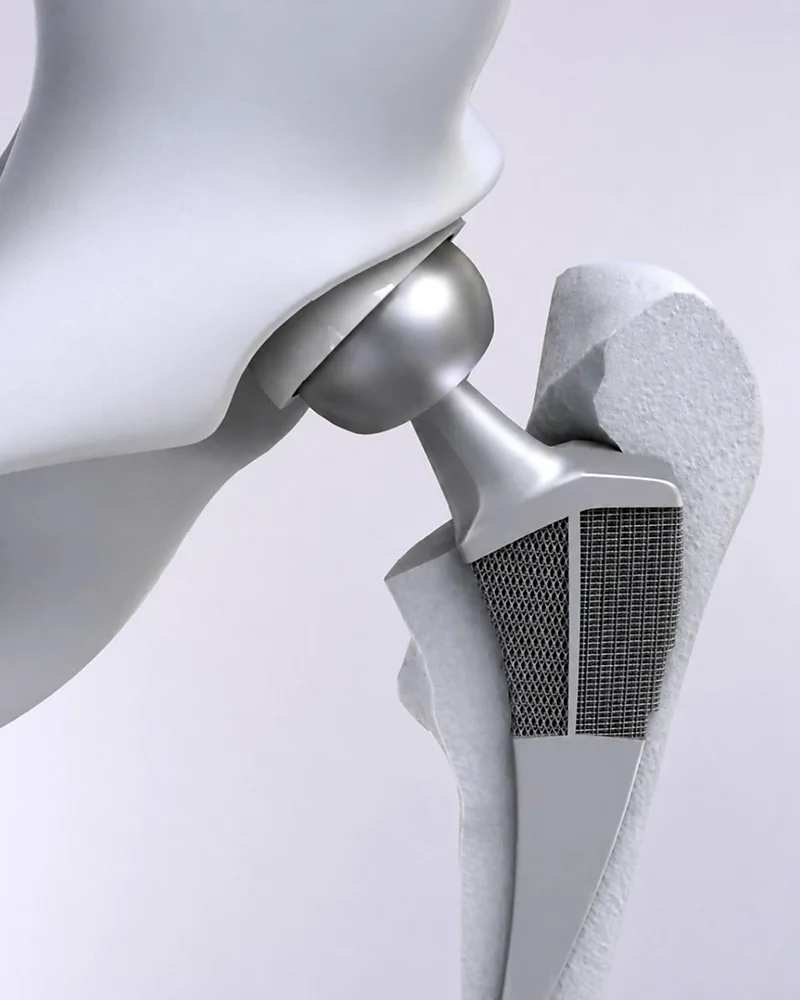
Hip Replacements: AI Designed Wonder Bone Could Revolutionise Hip Replacements and Fracture Treatment
Hip Replacements: Scientists are developing futuristic bone-like materials powered by artificial intelligence that could dramatically improve hip replacements, speed up fracture healing, and transform the future of orthopaedic medicine. Researchers say the breakthrough could lead to stronger, longer-lasting implants that behave more like real human bone solving one of the biggest challenges in modern orthopaedic […]
Frank Ocansey