
Hypertension among young adults: Why Hypertension Is Becoming a Silent Crisis Among Young Adults

Frank Ocansey
Editor, PulseView
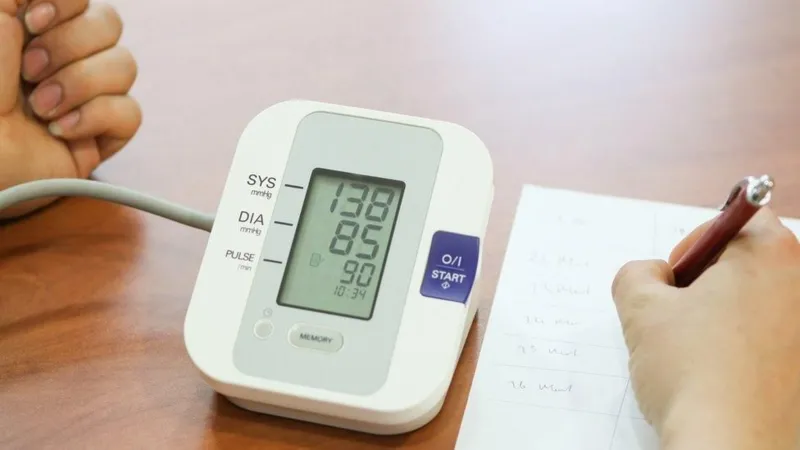
For decades, hypertension commonly known as high blood pressure was considered a condition that primarily affected older adults.
Today, however, healthcare professionals are witnessing a troubling shift. Increasing numbers of young adults in their 20s, 30s, and early 40s are being diagnosed with hypertension, transforming what was once viewed as an age-related condition into a growing public health concern among younger populations.
What makes hypertension particularly dangerous is that it often develops without noticeable symptoms. Many young people may be living with dangerously elevated blood pressure for years without realizing it. By the time symptoms appear, serious damage may already have occurred to vital organs such as the heart, kidneys, brain, and blood vessels.
As lifestyles continue to change and risk factors become more common, experts are warning that hypertension is rapidly becoming a silent crisis among young adults worldwide.
Understanding Hypertension
Blood pressure is the force exerted by circulating blood against the walls of the arteries. It is measured using two numbers:
- Systolic pressure: The pressure when the heart beats.
- Diastolic pressure: The pressure when the heart rests between beats.
A normal blood pressure reading is generally around 120/80 mmHg.
Hypertension is typically diagnosed when blood pressure consistently measures 140/90 mmHg or higher, although some international guidelines consider readings above 130/80 mmHg as elevated.
When blood pressure remains high over time, it forces the heart to work harder and gradually damages blood vessels throughout the body.
A Growing Problem Among Young Adults
Traditionally, hypertension was associated with aging because blood vessels naturally become less flexible over time. However, recent studies indicate a significant rise in hypertension among younger populations.
Healthcare facilities around the world are reporting increasing numbers of young adults being diagnosed during routine health screenings, workplace medical examinations, and community outreach programmes.
Many experts believe this trend reflects broader changes in modern lifestyles, including unhealthy diets, physical inactivity, stress, and obesity.
The concern is particularly serious because hypertension that begins at a younger age often means longer exposure to elevated blood pressure, increasing the risk of complications later in life.
Why Young People Are Developing Hypertension

1. Unhealthy Diets
One of the biggest contributors to rising hypertension rates is poor dietary habits.
Many young adults consume large amounts of:
- Fast food
- Processed foods
- Sugary beverages
- Salty snacks
- Instant meals
These products often contain excessive amounts of sodium, which can increase blood pressure.
High sodium intake causes the body to retain more water, increasing the volume of blood circulating through the arteries and placing additional strain on blood vessels.
At the same time, many diets are lacking in fruits, vegetables, and other nutrient-rich foods that help regulate blood pressure.
2. Physical Inactivity
Technology has dramatically changed how people live and work.
Many young adults spend hours each day:
- Sitting at desks
- Working on computers
- Watching television
- Using smartphones
- Playing video games
A sedentary lifestyle contributes to weight gain, poor cardiovascular fitness, and increased blood pressure.
Regular physical activity helps strengthen the heart, improve circulation, and maintain healthy blood pressure levels.
Unfortunately, many young people do not achieve recommended levels of exercise.

3. Rising Obesity Rates
Obesity is closely linked to hypertension.
Excess body weight increases the workload on the heart and can trigger hormonal and metabolic changes that raise blood pressure.
Healthcare professionals have observed a parallel rise in both obesity and hypertension among younger age groups.
Even modest weight gain can significantly increase cardiovascular risk over time.
4. Chronic Stress
Modern life can be highly stressful.
Young adults often face pressures related to:
- Employment
- Academic performance
- Financial responsibilities
- Family obligations
- Social expectations
While temporary stress is normal, chronic stress can contribute to sustained increases in blood pressure.
Stress may also encourage unhealthy coping mechanisms such as overeating, smoking, excessive alcohol consumption, and physical inactivity.
5. Smoking and Alcohol Use
Smoking damages blood vessels and reduces their ability to function properly.
Similarly, excessive alcohol consumption can raise blood pressure and increase the risk of heart disease.
Although awareness of these risks has improved, tobacco and alcohol use remain common among many young adults.
6. Poor Sleep Habits
Sleep plays a critical role in cardiovascular health.
Many young adults experience:
- Insufficient sleep
- Irregular sleep schedules
- Shift work
- Sleep disorders
Research shows that poor sleep quality and sleep deprivation can contribute to elevated blood pressure.
Conditions such as obstructive sleep apnea are also increasingly recognized as important risk factors for hypertension.
Why Hypertension Is Called the “Silent Killer”
One of the most dangerous aspects of hypertension is its lack of symptoms.
Many individuals with high blood pressure feel completely healthy.
Unlike infections or injuries, hypertension often causes no pain or obvious warning signs.
In some cases, symptoms may only appear after significant damage has already occurred.
Possible warning signs include:
- Frequent headaches
- Dizziness
- Blurred vision
- Chest pain
- Shortness of breath
- Fatigue
However, many people experience none of these symptoms.
This is why routine blood pressure screening is essential.
The Serious Health Risks
If left untreated, hypertension can lead to life-threatening complications.
Heart Disease
High blood pressure damages arteries and increases the risk of:
- Heart attacks
- Heart failure
- Coronary artery disease
Stroke
Hypertension is one of the leading causes of stroke worldwide.
Elevated pressure can weaken blood vessels in the brain or contribute to blockages that interrupt blood flow.
Kidney Disease
The kidneys rely on healthy blood vessels to filter waste from the body.
Persistent hypertension can damage these vessels, leading to chronic kidney disease and even kidney failure.
Vision Problems
High blood pressure can damage delicate blood vessels in the eyes, increasing the risk of visual impairment and blindness.
Cognitive Decline
Emerging research suggests that uncontrolled hypertension may contribute to memory problems and cognitive decline later in life.
Why Early Detection Matters
The good news is that hypertension is both detectable and manageable.
A simple blood pressure check takes only a few minutes and can identify individuals at risk before complications develop.
Early detection allows healthcare providers to recommend lifestyle changes and, when necessary, medication to control blood pressure.
For young adults, identifying hypertension early can prevent decades of cardiovascular damage.
How Young Adults Can Protect Themselves
Eat a Heart-Healthy Diet
Focus on:
- Fruits
- Vegetables
- Whole grains
- Lean proteins
- Low-fat dairy products
Reduce:
- Salt
- Processed foods
- Sugary drinks
- Excessive saturated fats
Stay Physically Active
Aim for at least 150 minutes of moderate physical activity per week.
Activities may include:
- Walking
- Running
- Cycling
- Swimming
- Sports
Maintain a Healthy Weight
Even small reductions in body weight can significantly improve blood pressure control.
Limit Alcohol and Avoid Smoking
Reducing alcohol consumption and avoiding tobacco products are among the most effective ways to protect cardiovascular health.
Manage Stress
Healthy stress-management strategies include:
- Exercise
- Meditation
- Prayer
- Adequate sleep
- Social support
Check Your Blood Pressure Regularly
Regular screening remains one of the most important preventive measures.
Young adults should not assume they are too young to develop hypertension.
A Public Health Challenge That Cannot Be Ignored
The growing prevalence of hypertension among young adults represents a significant public health challenge.
If current trends continue, healthcare systems may face increasing numbers of individuals developing cardiovascular diseases at younger ages, placing additional strain on families, communities, and national economies.
Addressing this crisis will require coordinated efforts involving healthcare providers, schools, employers, policymakers, and individuals themselves.
Public education, healthy environments, accessible screening services, and lifestyle interventions will all play critical roles.
Conclusion
Hypertension is no longer just a disease of old age. Increasingly, it is affecting young adults who may feel healthy and unaware of the risks they face.
Driven by unhealthy diets, physical inactivity, obesity, stress, poor sleep, and other lifestyle factors, hypertension is silently damaging the health of millions of young people worldwide.
The encouraging news is that early detection and lifestyle modifications can dramatically reduce the risk of complications.
The message is simple but powerful: know your blood pressure, adopt healthy habits, and take action before this silent crisis becomes a personal tragedy.
Also read: Kidney disease: The silent health threat Ghana cannot ignore
Continue Reading
Why Ghana Needs a Stronger Health Workforce: The Key to Achieving Universal Health Coverage
Healthcare systems are only as strong as the people who deliver care. While Ghana has made significant progress in improving access to healthcare over the past decades, one major challenge continues to threaten the country’s ability to provide quality health services for all: an inadequate and overstretched health workforce. From Community-based Health Planning and Services […]
Frank Ocansey

AI in healthcare: AI Could Transform Healthcare Faster Than Expected in 2026
AI in healthcare: Artificial Intelligence (AI) is rapidly moving from a futuristic concept to a practical tool that is transforming healthcare systems around the world. While many experts once predicted that widespread adoption would take decades, recent developments suggest that AI could reshape healthcare much faster than expected, with 2026 emerging as a pivotal year […]
Frank Ocansey

Why Men Die Younger: The Hidden Health Crisis Affecting Millions and What Must Change
Why Men Die Younger: Men are significantly more likely than women to die prematurely, suffer from preventable diseases, engage in risky behaviours, and avoid seeking medical help when they need it most. Across the United Kingdom and many parts of the world, health experts are increasingly warning that men’s health has become a major public […]
Frank Ocansey