
Why Men Die Younger: The Hidden Health Crisis Affecting Millions and What Must Change

Frank Ocansey
Editor, PulseView
Why Men Die Younger: Men are significantly more likely than women to die prematurely, suffer from preventable diseases, engage in risky behaviours, and avoid seeking medical help when they need it most. Across the United Kingdom and many parts of the world, health experts are increasingly warning that men’s health has become a major public health challenge that requires urgent attention.
The issue has gained renewed focus as the government in England prepares to launch a consultation on a new men’s health strategy. Health professionals, researchers, and advocacy groups argue that such a strategy is long overdue, pointing to persistent gaps in life expectancy, healthcare access, mental health support, and disease prevention.
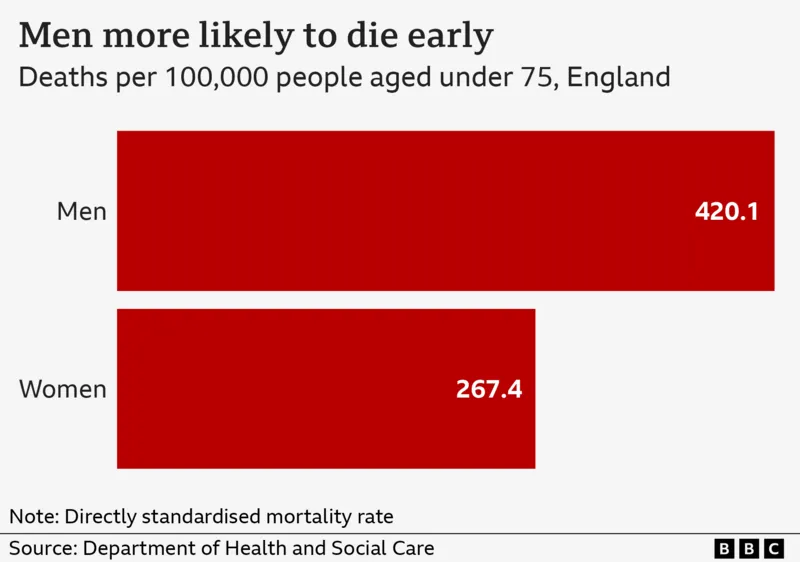
The statistics are striking. Men live, on average, four years less than women and are almost 60% more likely to die before the age of 75 from conditions such as heart disease, lung cancer, liver disease, and accidents. Behind these figures lies a complex combination of biological, social, cultural, and economic factors that continue to shape how men experience health and illness.

The Health Gap Between Men and Women
Despite advances in medicine and healthcare, men continue to experience poorer health outcomes than women across many indicators.
Research shows that men are more likely to:
- Smoke tobacco
- Consume excessive alcohol
- Use recreational drugs
- Have high blood pressure
- Develop high cholesterol
- Delay seeking medical care
- Die from preventable illnesses
These behaviours contribute significantly to higher rates of cardiovascular disease, cancer, respiratory illnesses, and accidental deaths.
Health experts argue that while lifestyle choices play a role, they do not tell the whole story. The reasons behind men’s poorer health are often deeply rooted in social norms, healthcare systems, and gender expectations.
Why Men Often Avoid Healthcare
One of the biggest challenges facing men’s health is their reluctance to engage with healthcare services.
Professor Alan White, a leading men’s health expert and co-founder of the Men’s Health Forum, argues that many men lack what health professionals describe as “health literacy”—the ability to recognise health problems, understand symptoms, and seek appropriate medical care.
Many men can go years without consulting a healthcare professional unless they experience severe symptoms.
Unlike women, who often have regular interactions with healthcare services through contraception, cervical screening, pregnancy, and reproductive health care, men generally have fewer routine encounters with medical professionals throughout adulthood.
As a result, many health conditions remain undetected until they become serious.
The Culture of “Man Up”
Societal expectations also play a significant role.
For generations, men have been encouraged to project strength, resilience, and self-reliance. While these traits can be positive in some circumstances, they can also discourage men from admitting vulnerability or seeking help.
Many men grow up hearing messages such as:
- “Be strong.”
- “Don’t complain.”
- “Handle your problems yourself.”
- “Man up.”
These attitudes can create barriers to discussing physical symptoms, emotional distress, or mental health concerns.
According to men’s health advocates, many men fear appearing weak if they seek help, even when doing so could save their lives.
The Impact of Deprivation and Inequality
Health outcomes among men are also strongly influenced by socioeconomic conditions.
Experts note that the gap in life expectancy between wealthy and deprived communities is particularly severe among men.
Men living in the poorest areas often experience life expectancies up to ten years shorter than those living in the wealthiest communities.
The reasons include:
- Poor housing conditions
- Lower educational attainment
- Higher unemployment rates
- Financial insecurity
- Greater exposure to unhealthy lifestyles
- Limited access to healthcare services
Men working in physically demanding occupations such as construction, manufacturing, transport, and industrial work may face additional challenges.
Many struggle to attend medical appointments due to long working hours, lack of flexibility, or concerns about losing income.
Some even avoid reporting symptoms because they fear it could affect their employment.
Silent Killers: Heart Disease and High Blood Pressure
Heart disease remains one of the leading causes of premature death among men.
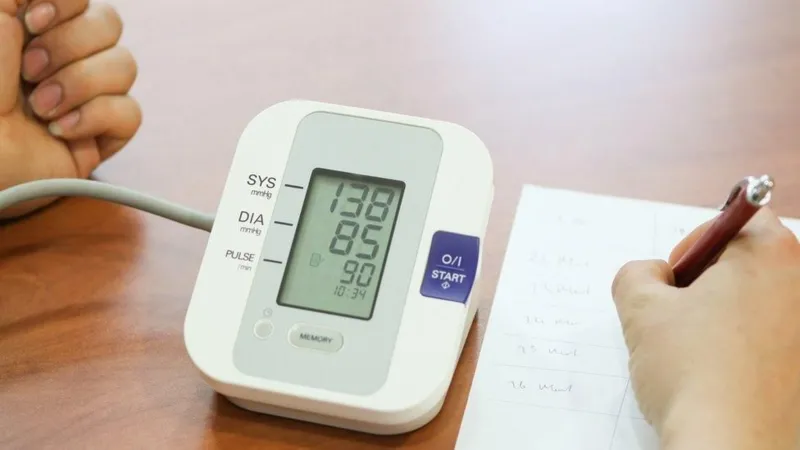
Conditions such as high blood pressure and high cholesterol often develop without obvious symptoms, making regular screening essential.
The National Health Service (NHS) offers health checks every five years for adults aged 40 to 74, including assessments of:
- Blood pressure
- Cholesterol levels
- Diabetes risk
- Cardiovascular health
However, fewer than four in ten eligible men take advantage of these services.
Health advocates argue that more workplace-based health screenings could improve participation, particularly among blue-collar workers who may struggle to attend appointments during working hours.
Men’s Mental Status: A Hidden Crisis
Mental health remains one of the most concerning aspects of men’s health.
Although women are more frequently diagnosed with anxiety and depression, men account for approximately three-quarters of all suicide deaths.
Experts believe this disparity reflects not necessarily higher rates of mental illness among men, but rather differences in how distress is expressed and managed.
Men experiencing depression may be more likely to:
- Become irritable or angry
- Abuse alcohol or drugs
- Withdraw socially
- Engage in risky behaviour
- Suppress emotions
These signs may be overlooked because they do not fit traditional descriptions of depression.
At the same time, men are less likely to access counselling and psychological therapies.
This creates a dangerous cycle where emotional problems remain untreated until they reach crisis point.
Financial and Relationship Pressures
Many male suicides are linked to a combination of:
- Financial stress
- Unemployment
- Debt
- Family conflict
- Relationship breakdowns
- Social isolation
These pressures can be particularly intense for men who feel responsible for providing financial stability for their families.
When economic hardship combines with poor mental health and limited support networks, the consequences can be devastating.
Ethnic and Cultural Differences Matter
Experts stress that men’s health challenges do not affect all groups equally.
Different ethnic communities face distinct risks.
For example:
- Black men are significantly more likely to develop prostate cancer.
- South Asian men face elevated risks of diabetes and cardiovascular disease.
- Minority communities may encounter additional barriers to healthcare access and health education.
Understanding these differences is essential for designing effective interventions.
Encouraging Men to Engage with Healthcare
While statistics paint a concerning picture, experts reject the idea that men simply do not care about their health.
Research shows that many men are willing to discuss health concerns when approached in ways that feel practical, supportive, and action-oriented.
Programmes focused on:
- Physical activity
- Goal-setting
- Sports participation
- Peer support
- Community engagement
have shown promising results.
One successful example is the Men’s Sheds movement, which brings men together to work on practical projects while building friendships and discussing life challenges.
These community-based initiatives help combat loneliness while promoting physical and mental wellbeing.
What Men Can Do Today
Health professionals say improving men’s health does not necessarily require dramatic lifestyle changes.
Simple steps can make a significant difference:
1. Get Regular Health Checks
Routine screening can identify high blood pressure, diabetes, and cholesterol problems before complications develop.
2. Stay Physically Active
Regular exercise reduces the risk of heart disease, obesity, diabetes, depression, and several cancers.
3. Watch Waist Size
Excess abdominal fat is strongly associated with cardiovascular disease and metabolic disorders.
4. Talk About Mental Health
Seeking support for stress, anxiety, or depression is a sign of strength, not weakness.
5. Reduce Smoking and Excessive Alcohol Consumption
These remain among the leading preventable causes of illness and death.
6. Build Social Connections
Strong friendships and supportive relationships are protective factors for both physical and mental health.
The Need for a Men’s Health Strategy
Experts believe a dedicated men’s health strategy could help address longstanding inequalities and improve outcomes for millions.
Such a strategy could focus on:
- Increasing health awareness
- Improving access to screening services
- Expanding mental health support
- Addressing health inequalities
- Promoting workplace health programmes
- Encouraging earlier intervention
Advocates hope it will do for men’s health what recent women’s health initiatives have done for female healthcare—placing the issue firmly on the national agenda.
Why Men Die Younger: Conclusion
Men’s poorer health outcomes are not simply the result of bad choices or personal responsibility. They reflect a complex interaction of biology, culture, social expectations, economic conditions, and healthcare accessibility.
The evidence is clear: men are dying younger and suffering more preventable illnesses than women.
Addressing this challenge will require action from governments, healthcare providers, employers, communities, and men themselves.
The first step is recognising that men’s health is not just a personal issue—it is a public health priority. By encouraging earlier intervention, improving access to care, and challenging harmful stereotypes about masculinity, societies can help ensure that men live longer, healthier, and more fulfilling lives.
Source: BBC
Continue Reading

How to Exercise Safely in Air Pollution: 7 Ways to Reduce Exposure
Exercise Safely: Exercising regularly is one of the most effective ways to protect your health, but what happens when the air you breathe during a workout is polluted? For runners, cyclists and people who walk to work, traffic fumes and airborne particles can turn an otherwise healthy activity into a source of concern. During vigorous […]
Frank Ocansey

Can We Change How Our Brains Age? What Scientists Are Discovering
Brains Age: For decades, scientists have known that the way we live can influence how well our bodies age. But a more intriguing question is now gaining attention: could technology help us understand and potentially slow the ageing of the human brain? Researchers are increasingly combining artificial intelligence, brain imaging, sleep tracking, genetics and large […]
Frank Ocansey

Getting Hands Dirty Could Boost Your Health, Scientists Say
Getting Hands Dirty: Touching soil, grass, trees and other natural materials may do more than connect us with the outdoors. Emerging research suggests that regular contact with nature can increase the diversity of microbes living on our skin and may influence how the immune system functions. For many people, getting dirty is something to avoid. […]
Frank Ocansey