
The Dangerous Rise of ‘Cosmeticorexia’: How Social Media Is Fueling a Skincare Obsession Among Young Girls

Frank Ocansey
Editor, PulseView
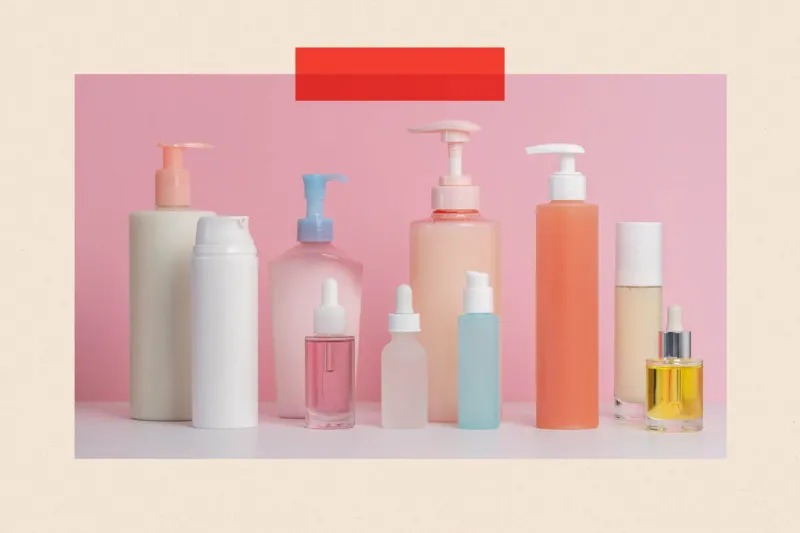
A growing number of health experts, psychologists, and regulators are raising concerns about a new phenomenon known as “cosmeticorexia” an unhealthy obsession with achieving flawless skin through excessive use of skincare and beauty products at increasingly younger ages. What was once considered a harmless interest in beauty has evolved into a multi-billion-pound industry that is reshaping how many children view themselves, their appearance, and their self-worth.
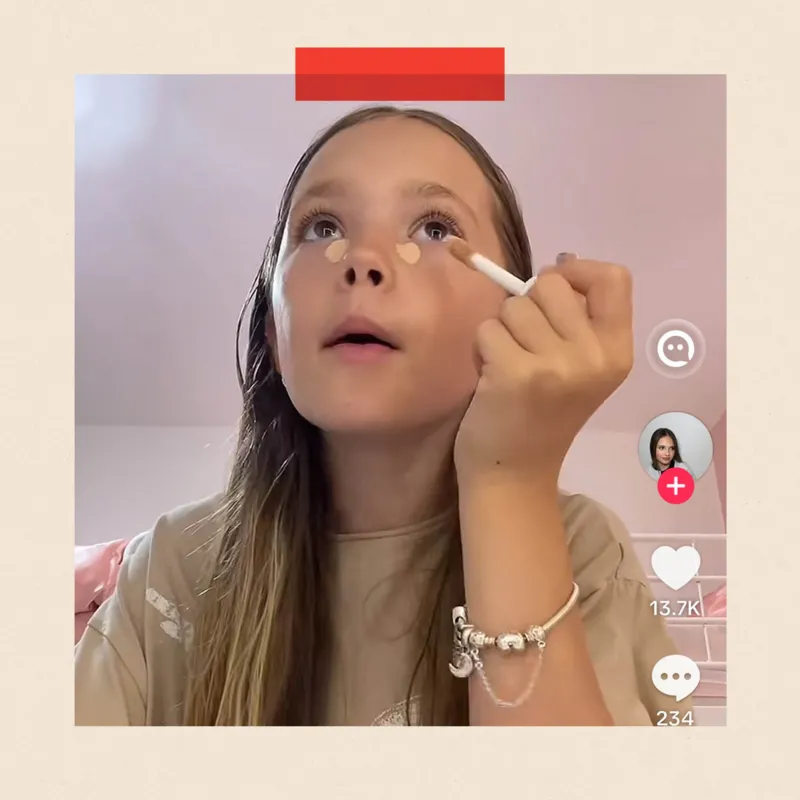
Across social media platforms such as TikTok, Instagram, Snapchat, and YouTube, thousands of young girls some as young as three or four years old are sharing detailed skincare routines, reviewing expensive cosmetic products, and promoting beauty brands to millions of followers. These routines often include multiple cleansers, toners, serums, moisturisers, face mists, masks, and makeup products that were originally designed for adults.
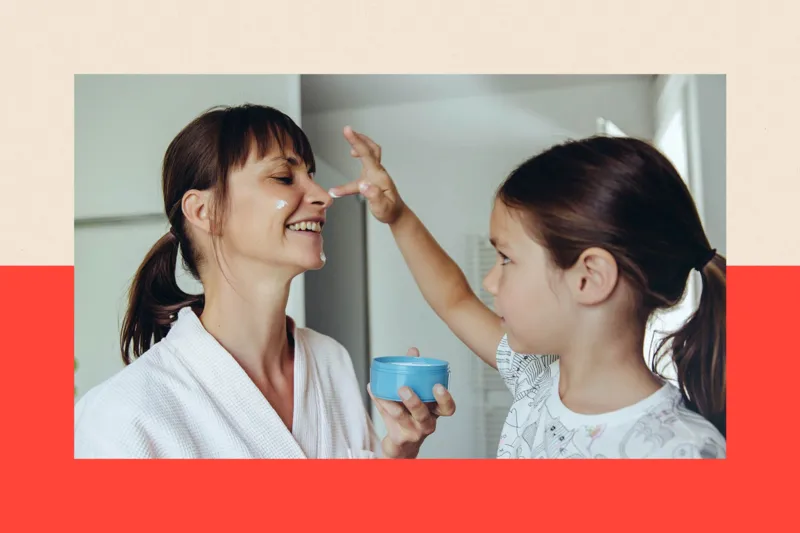
While many parents see these activities as harmless fun or creative expression, experts warn that the trend may be exposing children to unnecessary health risks while encouraging unrealistic beauty standards at a critical stage of emotional development.
The Social Media Boom Behind the Trend
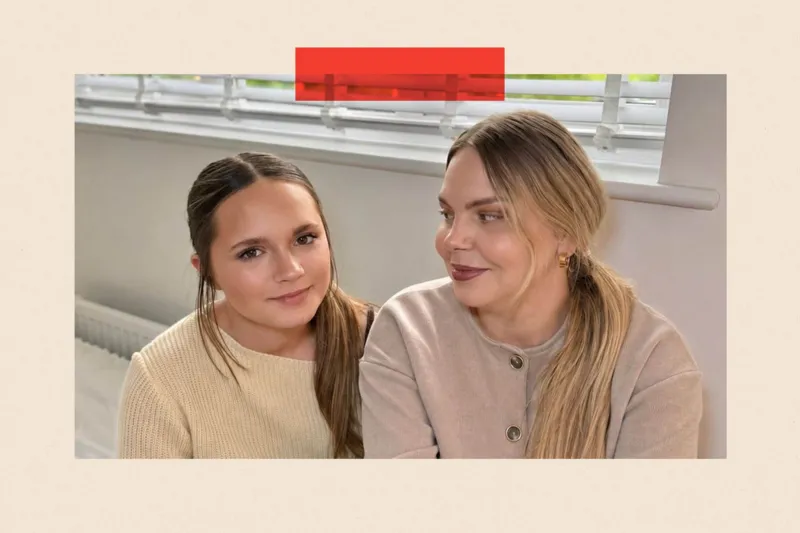
One example highlighted by researchers is that of Ellie-May, a British teenager who began posting skincare content during the COVID-19 lockdown when she was just eight years old. What started as simple “get ready with me” videos soon gained massive popularity online.
Today, her social media presence spans multiple platforms and has attracted hundreds of thousands of followers. Her family’s content creation activities reportedly generate tens of thousands of pounds annually.
Ellie-May’s story reflects a broader trend occurring worldwide. Search terms related to children’s skincare reveal countless videos of young influencers discussing their beauty routines, unboxing products, and recommending skincare brands to their peers.
Researchers say social media algorithms amplify this content because it generates high engagement, exposing even more children to beauty-focused messaging.
What Is Cosmeticorexia?
The term “cosmeticorexia” has recently emerged within dermatology and psychological research.
Experts define cosmeticorexia as an excessive preoccupation with achieving perfect skin through frequent use of cosmetic products, often beginning in childhood or early adolescence.
Professor Giovanni Damiani became concerned after noticing increasing numbers of young patients displaying obsessive skincare behaviours.
His research involving children aged 8 to 14 found common patterns among those exhibiting signs of cosmeticorexia:
- Excessive social media use
- Spending hours watching skincare videos
- Using numerous cosmetic products daily
- Reluctance to appear in public without makeup
- Heavy dependence on online validation and appearance-focused content
Researchers say these behaviours resemble other appearance-related psychological concerns and may contribute to long-term emotional difficulties.
A Multi-Billion-Pound Industry Targeting Youth
The skincare industry has undergone a dramatic transformation over the past decade.
Historically, beauty companies primarily marketed anti-ageing products to women in their 30s and 40s. Today, however, younger consumers have become a rapidly growing market segment.
Many skincare influencers promote products from major beauty brands, while some children serve as unofficial brand ambassadors through sponsored content and product reviews.
A survey involving 1,500 children aged 9 to 12 found that nearly half used multiple skincare products weekly, with many reporting that they were trying to fix perceived imperfections in their skin.
The financial costs can also be significant.
One study examining skincare videos posted by minors found that the average skincare routine featured products worth approximately £125, many of which require replacement every few months.
Why Dermatologists Are Concerned
Health professionals stress that most children simply do not need complex skincare routines.
According to consultant dermatologist Jean Ayer, children’s skin is naturally healthy and possesses a strong protective barrier that generally requires little more than basic cleansing and sun protection.
Yet increasing numbers of children are arriving at dermatology clinics with:
- Skin irritation
- Contact dermatitis
- Allergic reactions
- Acne flare-ups
- Damaged skin barriers
Many of these conditions appear linked to inappropriate use of adult skincare products.
The Problem with Anti-Ageing Ingredients
Particularly concerning is the use of products containing active anti-ageing ingredients.
One commonly used ingredient is retinol, a vitamin A derivative designed to stimulate skin cell turnover and reduce wrinkles in ageing skin.
While retinol can benefit adults, dermatologists warn it offers little or no benefit to children whose skin cells already regenerate rapidly. Instead, it can:
- Irritate delicate skin
- Cause redness and inflammation
- Trigger eczema-like reactions
- Increase sensitivity
- Damage the skin barrier
This condition is sometimes referred to as retinol burn.
Once a child develops an allergy to certain skincare ingredients, they may experience lifelong sensitivity to those substances.
Potential Links to Hair Loss and Other Conditions
Researchers are also investigating whether long-term exposure to certain cosmetic products may contribute to other health concerns.
Some dermatologists have observed increasing numbers of young people presenting with frontal fibrosing alopecia, a condition characterised by progressive hairline recession.
Although evidence remains limited, some experts suspect that repeated exposure to facial creams and cosmetic ingredients may play a role in certain cases.
Further research is needed to determine the extent of this relationship.
The Psychological Impact on Young Minds
While physical health concerns are important, psychologists argue that the emotional consequences may be even more significant.
Children are in a critical stage of identity formation. During this period, they learn how to evaluate themselves and develop self-confidence.
According to psychologist Alberto Stefana, many children involved in appearance-focused online culture begin measuring their self-worth through:
- Likes
- Comments
- Follower counts
- External validation
Rather than developing confidence based on personal achievements or character, self-esteem becomes increasingly tied to physical appearance.
Social Media and Unrealistic Beauty Standards
Experts say social media filters, photo editing software, and artificial intelligence tools are further complicating the issue.
Many images shared online are heavily edited, creating unrealistic standards that are impossible to achieve naturally.
Children may compare themselves to:
- Filtered influencers
- Digitally enhanced images
- AI-generated beauty ideals
without fully understanding that these images do not reflect reality.
Professor Jessica Ringrose warns that many children begin viewing these idealised images as representations of a successful life.
When they cannot replicate these appearances, they may feel inadequate, unsuccessful, or unattractive.
Links to Body Dysmorphic Disorder
Researchers are beginning to identify similarities between cosmeticorexia and body dysmorphic disorder (BDD), a mental health condition involving excessive concern over perceived physical flaws.
Some children affected by cosmeticorexia reportedly experience:
- Anxiety
- Shame
- Social withdrawal
- Reduced self-esteem
- Fear of attending school
- Obsessive appearance monitoring
In severe cases, young people may avoid social interactions because they believe they are not attractive enough.
Calls for Greater Regulation
Regulators are increasingly examining the role of beauty brands and social media influencers in promoting skincare products to children.
Authorities in Italy have launched investigations into whether certain cosmetic companies adequately disclosed that their products were not intended for children and whether young influencers were being used to market products indirectly.
Meanwhile, advertising regulators in other countries are closely monitoring developments.
Experts argue that responsibility must be shared among:
- Social media platforms
- Beauty companies
- Influencers
- Parents
- Educators
What Parents Should Know
Health experts emphasize that skincare itself is not inherently harmful.
Simple routines focusing on:
- Gentle cleansing
- Moisturising when necessary
- Sun protection
can promote healthy skin habits.
Problems arise when children adopt complex, adult-oriented skincare routines driven by appearance anxiety or social media pressure.
Parents are encouraged to:
- Monitor skincare products used by children
- Discuss unrealistic beauty standards
- Promote body confidence
- Limit exposure to harmful content
- Encourage critical thinking about social media
Looking Ahead
The rise of cosmeticorexia highlights a broader challenge facing today’s generation of children.
As social media continues to shape perceptions of beauty, success, and self-worth, experts fear that increasing numbers of young people may become trapped in a cycle of appearance-based validation.
While skincare routines may appear harmless on the surface, researchers warn that the pursuit of flawless skin can sometimes conceal deeper issues involving self-esteem, identity, and mental wellbeing.
The challenge for parents, educators, health professionals, and technology companies will be ensuring that children grow up understanding an important truth: healthy skin—and healthy self-esteem—do not require perfection.
Source: BBC
Continue Reading

Why Ghana Needs a Stronger Health Workforce: The Key to Achieving Universal Health Coverage
Healthcare systems are only as strong as the people who deliver care. While Ghana has made significant progress in improving access to healthcare over the past decades, one major challenge continues to threaten the country’s ability to provide quality health services for all: an inadequate and overstretched health workforce. From Community-based Health Planning and Services […]
Frank Ocansey

Hypertension among young adults: Why Hypertension Is Becoming a Silent Crisis Among Young Adults
For decades, hypertension commonly known as high blood pressure was considered a condition that primarily affected older adults. Today, however, healthcare professionals are witnessing a troubling shift. Increasing numbers of young adults in their 20s, 30s, and early 40s are being diagnosed with hypertension, transforming what was once viewed as an age-related condition into a […]
Frank Ocansey

AI in healthcare: AI Could Transform Healthcare Faster Than Expected in 2026
AI in healthcare: Artificial Intelligence (AI) is rapidly moving from a futuristic concept to a practical tool that is transforming healthcare systems around the world. While many experts once predicted that widespread adoption would take decades, recent developments suggest that AI could reshape healthcare much faster than expected, with 2026 emerging as a pivotal year […]
Frank Ocansey