
Cocoa Crisis Deepens in Ivory Coast as Falling Global Prices Leave Farmers With Unsold Stock and Mounting Debts

Frank Ocansey
Editor, PulseView
Cocoa Crisis Deepens: Unsold bags of cocoa beans are stacked nearly to the ceiling inside a warehouse in Duekoue, western Ivory Coast, highlighting the growing crisis facing farmers and cooperatives in the world’s largest cocoa-producing nation.
Sekou Dagnogo, who runs a local cooperative in the region, says exporters have been reluctant to purchase cocoa at the government-mandated farmgate price of 2,800 CFA francs ($5.09) per kilogram set at the beginning of the 2025/2026 crop season. As a result, stocks are piling up and farmers remain unpaid.
Exporters argue that the sharp slump in global cocoa prices—now at their lowest levels in more than two years—has made Ivorian cocoa too expensive. The international downturn has been driven largely by weakening demand after record-high chocolate prices discouraged consumers, a phenomenon industry analysts describe as “demand destruction.”
Cooperatives Struggle as Debts Mount
For cooperatives like Sekou Dagnogo’s, the crisis has created severe financial strain. Without export sales, they cannot generate the cash flow needed to pay farmers who have already delivered their produce.
“Things haven’t been going well for quite some time now, so everything is at a standstill for the moment and we currently owe farmers a lot of money,” Dagnogo told Reuters during a visit to Duekoue.
The situation has left warehouses overflowing with beans that risk deteriorating in quality if not sold quickly. Storage conditions in rural areas are often inadequate, raising fears that prolonged delays could lead to further financial losses.
Dagnogo is now counting on the national regulator, the Coffee and Cocoa Council, to intervene and purchase the unsold stock to stabilise the market.
Government Steps In to Stabilise Market
In January, the regulator launched a programme to purchase 100,000 metric tonnes of cocoa beans that had remained unsold for weeks. Earlier this month, authorities accelerated purchases amid concerns that prolonged storage under poor conditions could compromise quality.
“They have assured us that they will buy back the product,” Dagnogo said, expressing cautious optimism that government intervention could ease the immediate pressure.
However, industry observers note that while such interventions may offer temporary relief, the broader challenge remains the disconnect between global market prices and the fixed farmgate price set domestically.
Cocoa Crisis Deepens: Farmers Caught in the Middle
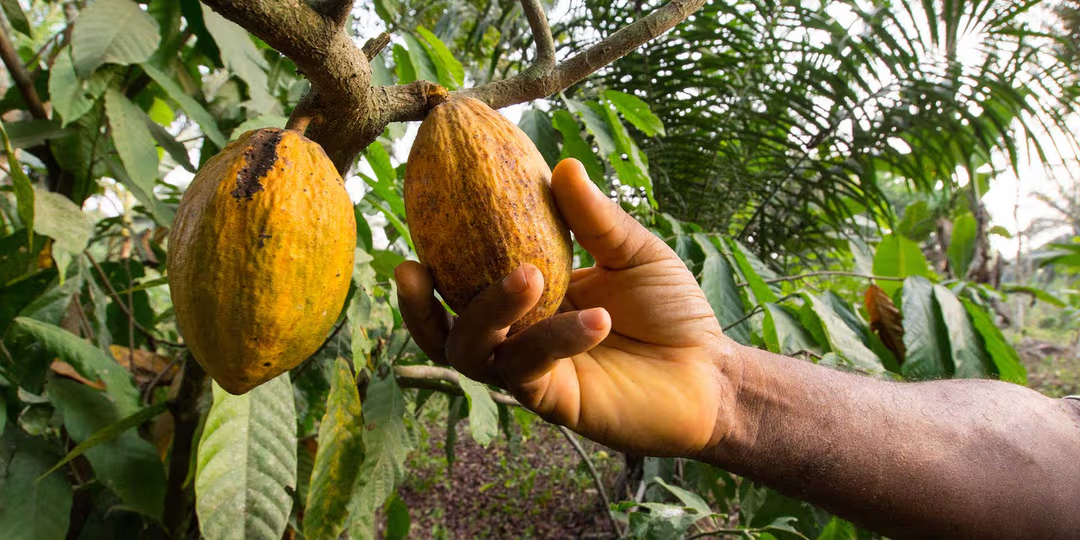
At the farm level, the crisis is even more personal. Frederic Kouassi Kouassi, a cocoa farmer in the western village of Remikro, says some buyers have begun offering as little as 1,500 to 1,800 CFA francs per kilogram—well below the official price and prohibited by regulators.
“They offer us a choice that doesn’t suit us, and due to a lack of resources, we are forced to accept these prices,” he explained while harvesting ripe yellow cocoa pods with a machete.
With limited storage capacity and mounting financial pressures, many farmers feel compelled to sell at reduced prices simply to survive. Kouassi stores bags of beans inside his home but worries about accumulating too much stock ahead of the April-to-September mid-crop season.
“If someone comes and offers you at least 500 CFA francs to sell what’s there, since the trees are still alive, you accept and never get discouraged,” he said, reflecting the resilience—and desperation—of smallholder farmers.

Broader Implications for Global Cocoa Markets
Ivory Coast supplies a significant portion of the world’s cocoa, meaning prolonged disruptions could eventually ripple through global supply chains. While prices have fallen sharply from record highs, continued instability at the farm level could create fresh volatility in the months ahead.
The current crisis underscores the delicate balance between protecting farmers through guaranteed prices and responding to rapidly shifting global market conditions. For now, cooperatives and farmers remain in limbo, waiting for either stronger international demand or further government intervention to restore stability.
As warehouses fill and debts grow, the cocoa sector—vital to millions of livelihoods—faces one of its toughest periods in recent years.
Source: Reuters
Also read: Cocoa Price Cut Sparks Debate: Ghana Slashes Producer Price to GH¢2,587
Continue Reading

Ato Forson Says Five Statutory Funds Receive Full Q3 2026 Payments
Finance Minister Dr Cassiel Ato Forson has announced that five major statutory funds in Ghana have received their third-quarter allocations for 2026 in full and on time. The funds support key sectors, including education, healthcare, road maintenance and local development. Finance Minister Dr Cassiel Ato Forson says the government has fulfilled its third-quarter 2026 payment […]
 Junior Kojo

Ghana Government Pays GH¢24.8 Billion to Statutory Funds in 2026, Ato Forson Announces
Finance Minister Dr Cassiel Ato Forson has announced that the government has paid GH¢24.8 billion into various statutory funds since January 2026, insisting that the releases have been made on time and in full. The payments are intended to support education, healthcare, road maintenance, local government administration and other essential public services across Ghana. The […]
Junior Kojo
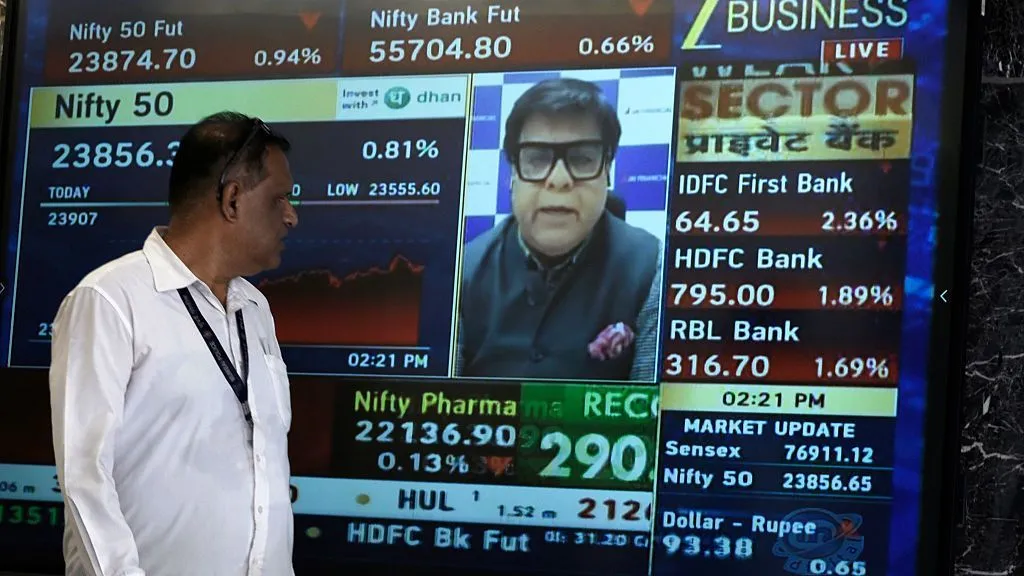
Why India Stock Market Is Falling Despite 7% Economic Growth
India Stock: India’s economy continues to expand at a pace that many countries would envy, yet its stock market is telling a very different story. The world’s fastest-growing major economy is expanding at more than 7%, despite energy shocks, higher global interest rates, trade uncertainty and weather-related disruptions. But Indian equities have become one of […]
Frank Ocansey