
Ato Forson Says Five Statutory Funds Receive Full Q3 2026 Payments

Junior Kojo
Editor, PulseView
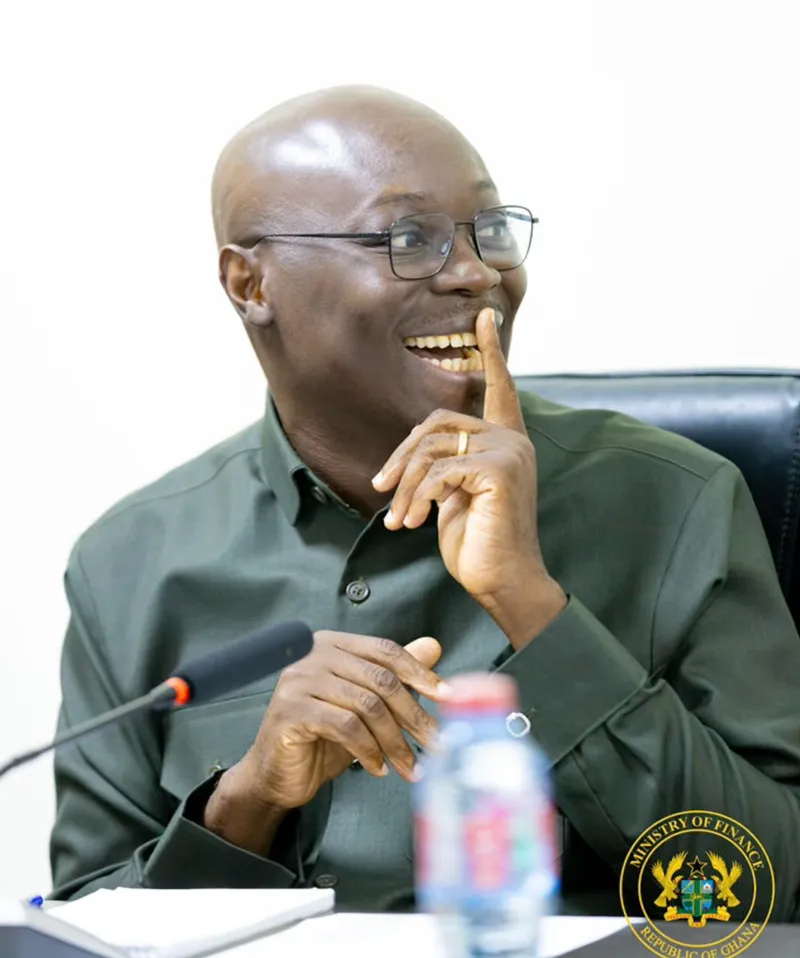
Finance Minister Dr Cassiel Ato Forson has announced that five major statutory funds in Ghana have received their third-quarter allocations for 2026 in full and on time. The funds support key sectors, including education, healthcare, road maintenance and local development.
Finance Minister Dr Cassiel Ato Forson says the government has fulfilled its third-quarter 2026 payment obligations to five statutory funds, reinforcing its commitment to financing essential public services across the country.
In a social media post on Monday, October 26, 2026, Dr Forson said the District Assemblies Common Fund (DACF), Ghana Education Trust Fund (GETFund), National Health Insurance Fund (NHIF), Ghana Medical Trust Fund and Road Maintenance Trust Fund had received their allocations for the third quarter of the year.
According to the Finance Minister, the payments are intended to support services that directly affect the daily lives of Ghanaians, particularly in education, healthcare, road infrastructure and community development.
“We are spending where it matters most, on the services Ghanaians depend on every day,” Dr Forson stated.
He added that meeting the government’s financial obligations was important because millions of people rely on the public services supported by these funds.
“Behind every payment are people whose needs cannot wait,” he said.
Five Statutory Funds Receive Full Payments
The five funds play different but complementary roles in Ghana’s public service delivery system.
The District Assemblies Common Fund (DACF) provides financial resources to metropolitan, municipal and district assemblies to support local development projects and improve infrastructure and services within communities.
The Ghana Education Trust Fund (GETFund) supports educational development through infrastructure projects and other interventions aimed at improving access to quality education.
The National Health Insurance Fund (NHIF) provides financial support for the National Health Insurance Scheme (NHIS), helping to finance healthcare services for eligible members.
The Ghana Medical Trust Fund is associated with efforts to support access to specialised medical care, particularly for patients who require treatment for serious medical conditions.
Meanwhile, the Road Maintenance Trust Fund provides resources for road maintenance and related activities intended to improve road conditions and support transportation across the country.
The full release of the third-quarter allocations is expected to help the beneficiary institutions carry out their respective responsibilities, although the actual impact will depend on how the funds are utilised.
Government Reports GH¢24.8 Billion in Statutory Fund Payments
The latest announcement follows an earlier statement by Dr Forson on October 21, 2026, in which he disclosed that the government had paid a total of GH¢24.8 billion to statutory funds since January 2026.
The Finance Minister said the payments had been made on time and in full, describing the approach as a departure from previous challenges involving delayed releases, payment arrears and restrictions on statutory fund allocations.
He indicated that the government’s approach was intended to improve the availability of resources for institutions and programmes that depend on statutory funding to deliver public services.
The earlier announcement also referenced other beneficiaries, including the Free Senior High School Programme, the Mineral Development Fund and the Minerals Income Investment Fund.
These payments form part of the government’s broader efforts to meet its statutory financial obligations and ensure that designated public funds receive the resources allocated to them.
Government’s Policy on Uncapping Statutory Funds
The announcement also comes against the background of government measures introduced in 2025 to uncap selected statutory funds, including GETFund, the NHIF and the Road Fund.
The policy was aimed at addressing concerns over funding restrictions and ensuring that statutory allocations could better support their intended purposes.
Regarding the District Assemblies Common Fund, Dr Forson previously stated that only about 40 to 50 per cent of allocations reached district assemblies directly between 2017 and 2024.
He said the government intended to increase the proportion transferred directly to the assemblies to at least 80 per cent, with the objective of strengthening local development and improving access to resources for community-level projects.
The DACF is particularly important to district assemblies because it helps finance local infrastructure, sanitation, education-related projects and other development priorities.
Debate Over the Timing and Verification of Payments
Despite the government’s assurances, the timing and measurement of statutory fund payments have previously generated debate in Parliament.
In June 2025, the Minority in Parliament raised concerns about delays in statutory fund releases and argued that payments should be assessed based on actual cash transfers rather than letters indicating that funds had been released.
Dr Forson, however, told Parliament that statutory payments had been made.
The debate highlights the importance of distinguishing between the formal authorisation of a payment and the actual transfer of money to the institutions concerned.
For beneficiary institutions, timely access to the funds is essential for planning, settling obligations and implementing projects without unnecessary interruptions.
What the Q3 Payments Mean for Ghanaians
The full payment of the five statutory funds’ third-quarter allocations could help support the continued delivery of public services across Ghana.
For district assemblies, the allocations can contribute to local development initiatives. For the education and healthcare sectors, statutory funding remains an important source of support for infrastructure, programmes and service delivery. Road maintenance funding is also essential for preserving existing infrastructure and improving transportation conditions.
However, the practical benefits will depend on effective fund management, transparent expenditure and the timely implementation of projects by the relevant institutions.
Dr Forson’s announcement places emphasis on the government’s position that statutory funds should receive their allocations as required and that public spending should prioritise services that directly affect citizens.
As the year progresses, attention is likely to remain on whether the government sustains the timely release of statutory allocations and how the beneficiary institutions translate the funding into measurable improvements in education, healthcare, roads and local development.
Source:3news.com
Also read:COCOBOD Denies GH¢12 Million Sponsorship Claim to Black Stars
Continue Reading
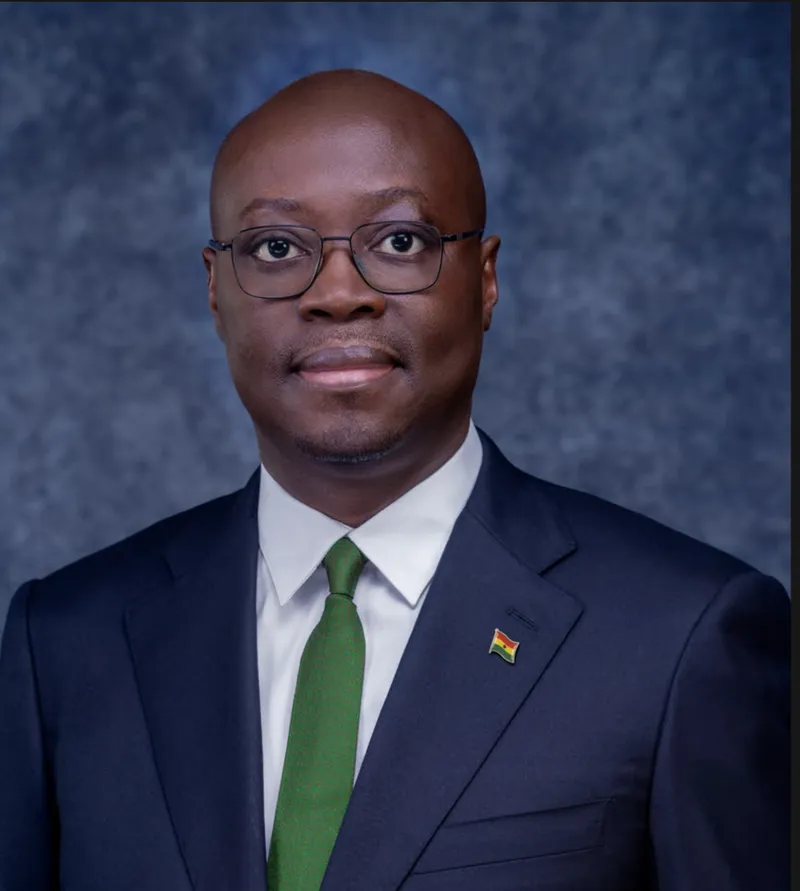
Ghana Government Pays GH¢24.8 Billion to Statutory Funds in 2026, Ato Forson Announces
Finance Minister Dr Cassiel Ato Forson has announced that the government has paid GH¢24.8 billion into various statutory funds since January 2026, insisting that the releases have been made on time and in full. The payments are intended to support education, healthcare, road maintenance, local government administration and other essential public services across Ghana. The […]
Junior Kojo

Why India Stock Market Is Falling Despite 7% Economic Growth
India Stock: India’s economy continues to expand at a pace that many countries would envy, yet its stock market is telling a very different story. The world’s fastest-growing major economy is expanding at more than 7%, despite energy shocks, higher global interest rates, trade uncertainty and weather-related disruptions. But Indian equities have become one of […]
 Frank Ocansey
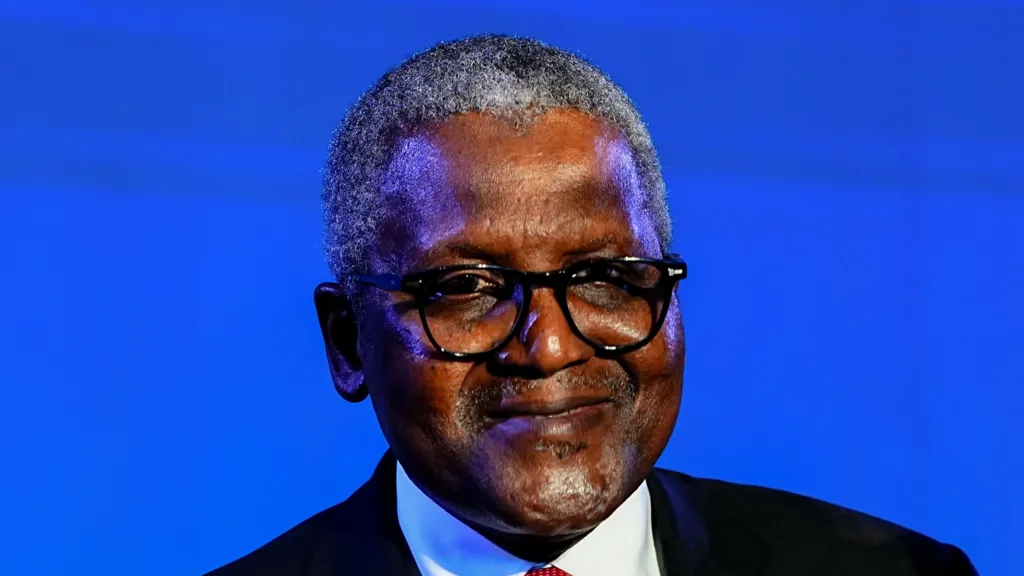
Dangote Backs $660m Ethiopia-Djibouti Fuel Pipeline to Boost Energy Security
Africa’s industrial expansion is gaining another major infrastructure boost after Nigerian billionaire Aliko Dangote announced plans to help finance a $660 million fuel pipeline linking Ethiopia and Djibouti. The major energy project is expected to improve the movement of petroleum products into landlocked Ethiopia, reduce transportation times and strengthen the country’s fuel supply chain. The […]
Frank Ocansey