
Ghana Government Pays GH¢24.8 Billion to Statutory Funds in 2026, Ato Forson Announces

Junior Kojo
Editor, PulseView
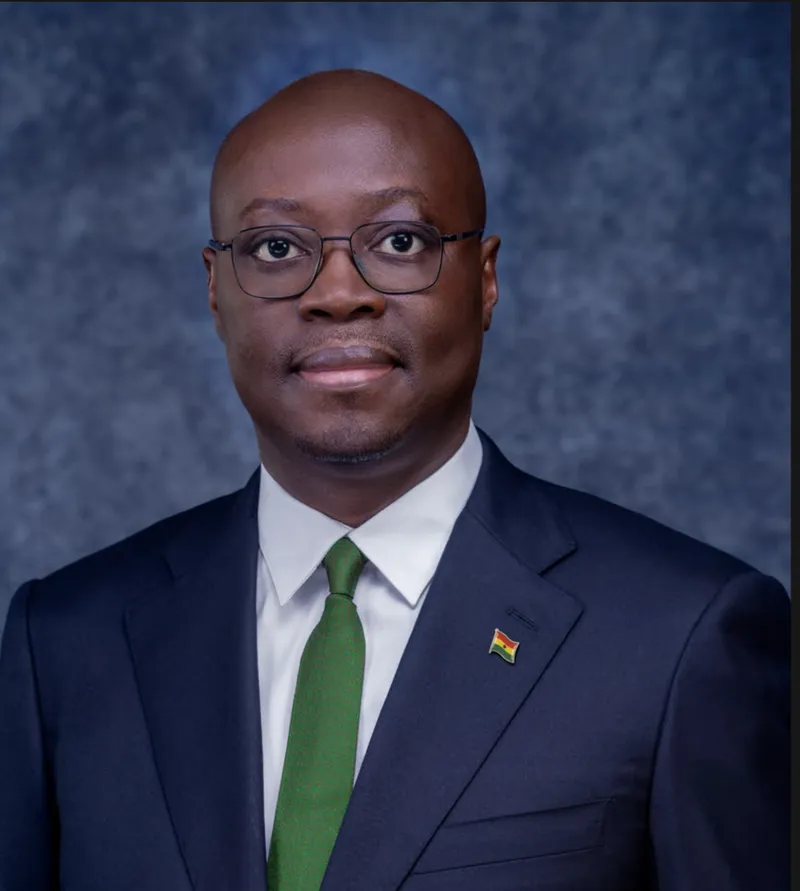
Finance Minister Dr Cassiel Ato Forson has announced that the government has paid GH¢24.8 billion into various statutory funds since January 2026, insisting that the releases have been made on time and in full. The payments are intended to support education, healthcare, road maintenance, local government administration and other essential public services across Ghana.
The announcement follows the release of the third-quarter allocations to statutory funds for 2026, a development the Finance Minister says reflects a change in the government’s approach to managing statutory payments.
According to Dr Ato Forson, the timely release of the funds is helping institutions and programmes that depend on statutory allocations to carry out their legally mandated responsibilities without unnecessary financial delays.
He explained that the government is working to move away from the delays, payment restrictions and outstanding arrears that previously affected the disbursement of funds meant for public institutions and development programmes.
Ato Forson Highlights Changes in Statutory Fund Payments
Dr Cassiel Ato Forson said the payment of GH¢24.8 billion since the beginning of the year demonstrates the government’s commitment to releasing statutory funds according to their intended purpose and schedule.
The Finance Minister noted that previous arrangements were sometimes characterised by delayed payments, capping of allocations and accumulated arrears. These challenges, he indicated, affected the ability of statutory institutions to access the resources required to deliver essential services.
He maintained that the current approach is intended to ensure that funds are released on time and in full, allowing the relevant institutions to plan their activities and meet their obligations more effectively.
The minister’s remarks come at a time when public attention remains focused on government expenditure, the management of public finances and the availability of resources for key sectors of the Ghanaian economy.
Timely statutory payments are particularly important because many of the funds support programmes that directly affect households, businesses, students, patients, road users and communities.
However, the announcement of the total amount paid does not, on its own, provide a breakdown of the amount received by each fund or establish the specific outcomes achieved through the disbursements.
Education Programmes Among the Beneficiaries
Education is one of the major sectors covered by the statutory payments announced by the Finance Minister.
The funds and programmes include the Ghana Education Trust Fund (GETFund) and the Free Senior High School (Free SHS) Programme, both of which play important roles in supporting Ghana’s education system.
GETFund provides financial support for educational infrastructure and other approved educational development activities. Its resources are intended to help address infrastructure needs and improve the conditions under which teaching and learning take place.
The Free SHS Programme, meanwhile, is a major government education initiative aimed at expanding access to senior high school education by reducing the financial burden on eligible students and their families.
The timely availability of resources for education-related programmes can help support the implementation of planned activities and the provision of services. It can also assist institutions responsible for these programmes in preparing budgets and managing their commitments.
Nevertheless, the actual impact of the latest releases will depend on how the funds are allocated, managed and utilised by the relevant institutions.
GH¢24.8 Billion Payment Covers Healthcare Funding
Healthcare is another important area covered by the statutory funds identified in the Finance Minister’s announcement.
The National Health Insurance Fund (NHIF) and the Ghana Medical Trust Fund are among the programmes listed as beneficiaries of the payments.
The National Health Insurance Fund supports Ghana’s health insurance system and is associated with efforts to improve access to healthcare services through the National Health Insurance Scheme.
Adequate and timely funding is important for maintaining the operations of the health insurance system and supporting its responsibilities within the country’s healthcare financing arrangements.
The Ghana Medical Trust Fund is also included among the funds covered by the announcement. Its inclusion highlights the government’s stated commitment to financing programmes connected to healthcare.
For ordinary Ghanaians, the effectiveness of healthcare funding is measured not only by the amount of money released but also by the services and benefits delivered. These include access to appropriate healthcare, the effective functioning of health institutions and the ability of relevant programmes to meet their objectives.
The latest announcement therefore places renewed attention on the relationship between public funding and the delivery of healthcare services.
District Assemblies Common Fund to Support Local Development
The District Assemblies Common Fund (DACF) is another major fund identified by Dr Ato Forson.
The fund is an important part of Ghana’s decentralised governance and local development arrangements. It provides financial resources to Metropolitan, Municipal and District Assemblies to support development priorities within their respective areas.
District assemblies have responsibilities relating to local infrastructure, sanitation, community development and other public services. Access to their allocated resources can therefore influence the pace at which approved projects and programmes are implemented.
For communities across Ghana, the effective release and utilisation of the District Assemblies Common Fund can contribute to local development initiatives, depending on the projects approved and the priorities identified by the relevant assemblies.
The timely disbursement of funds may also help local authorities plan expenditure and coordinate development activities more effectively.
However, the practical benefits to communities will depend on the availability of the resources, the implementation of approved projects and the accountability mechanisms used to monitor expenditure.
Road Maintenance and Mineral Development Also Included
Beyond education, healthcare and local government, the statutory payments cover funds connected to road maintenance and mineral development.
The Road Maintenance Trust Fund is among the funds listed in the announcement. Road maintenance remains an important public infrastructure concern because the condition of roads affects transportation, commercial activities, access to schools and healthcare facilities, and the movement of agricultural produce.
Consistent financing for road maintenance can help responsible institutions plan and undertake approved maintenance activities. Such work may contribute to safer roads and more efficient transportation when funds are used effectively.
The Mineral Development Fund is also included among the beneficiaries. Mineral development funding is relevant to development priorities associated with Ghana’s mining sector and communities affected by mineral extraction.
The Mineral Income Investment Fund is another fund named by the Finance Minister. It is associated with the management and investment of Ghana’s mineral income under the country’s established legal and institutional framework.
The inclusion of these funds highlights the range of sectors and institutions covered by the GH¢24.8 billion payment announcement.
While the funds have different mandates, their effective management is important to ensuring that public resources support the purposes for which they were established.
What Timely Statutory Payments Mean for Ghanaians
Statutory funds are established under specific legal frameworks to finance designated public responsibilities. Their allocations are therefore important to the operation of programmes and institutions that depend on these resources.
When payments are delayed, institutions may face difficulties planning their expenditure, meeting financial commitments or carrying out approved activities. Delays can also create uncertainty for programmes that rely on predictable funding.
By contrast, timely releases can help institutions prepare budgets, schedule activities and make better-informed decisions about the use of available resources.
For instance, education programmes require financial planning to support their approved activities, while health-related funds contribute to the financing arrangements that underpin healthcare delivery. District assemblies also need resources to implement development plans, and road maintenance activities require funding to address infrastructure needs.
These examples demonstrate why the timing of statutory payments matters alongside the total amount released.
However, the public benefits of the payments will ultimately depend on transparency, efficient expenditure management and the ability of beneficiary institutions to convert financial allocations into measurable improvements in service delivery.
Government’s Public Finance Management in Focus
Dr Ato Forson’s announcement has also drawn attention to the broader management of Ghana’s public finances.
Statutory payments form part of the government’s financial obligations to funds established by law. The release of these resources is an important aspect of ensuring that designated institutions receive funding for their responsibilities.
The Finance Minister’s claim that GH¢24.8 billion has been paid on time and in full since January 2026 presents the government’s position on its handling of these obligations.
His comments also suggest an effort to distinguish the current payment arrangements from previous periods characterised by delays, capping and arrears.
For the public to assess the full extent of the development, however, further details on individual fund allocations, payment schedules, outstanding obligations and expenditure outcomes would provide useful context.
Such information would help establish how the payments compare with approved allocations and how effectively the resources are supporting the intended programmes.
Accountability remains an important consideration because the release of public funds is only one stage of the public expenditure process. The funds must also be properly managed, accounted for and used in accordance with their legal mandates.
Third-Quarter Releases Mark Latest Stage of Payments
The Finance Minister’s announcement follows the release of statutory funds for the third quarter of 2026.
The third-quarter releases form part of the government’s funding arrangements for the year and cover several programmes and institutions across key sectors.
The reported cumulative payment of GH¢24.8 billion since January provides an indication of the scale of the statutory payments announced by the minister. However, the amount should not be interpreted as the allocation to any single fund because the announcement covers multiple funds and programmes.
The individual amounts paid to GETFund, the Free SHS Programme, the National Health Insurance Fund, the District Assemblies Common Fund and the other named funds were not specified in the information accompanying the announcement.
A detailed breakdown would provide a clearer picture of the distribution of the funds and the resources available to each beneficiary institution.
It would also allow the public to better understand the relationship between the reported payments, approved budgets and the programmes expected to benefit.
Conclusion
Finance Minister Dr Cassiel Ato Forson says the government has paid GH¢24.8 billion to statutory funds since January 2026, with the latest announcement following the release of the third-quarter allocations.
The funds and programmes covered include GETFund, the Free SHS Programme, the District Assemblies Common Fund, the National Health Insurance Fund, the Ghana Medical Trust Fund, the Road Maintenance Trust Fund, the Mineral Development Fund and the Mineral Income Investment Fund.
According to the minister, the payments represent a departure from previous experiences of delayed releases, capping and arrears.
The announcement highlights the importance of predictable public financing for education, healthcare, local development, road maintenance and other public responsibilities.
As Ghana continues to manage its public finances, attention will remain on whether statutory payments are made as announced, how effectively beneficiary institutions utilise the resources, and the measurable improvements these funds deliver for citizens.
Source:3news.com
Also read:Government announces reduction in fuel price as intervention takes effect April 16
Continue Reading

Ato Forson Says Five Statutory Funds Receive Full Q3 2026 Payments
Finance Minister Dr Cassiel Ato Forson has announced that five major statutory funds in Ghana have received their third-quarter allocations for 2026 in full and on time. The funds support key sectors, including education, healthcare, road maintenance and local development. Finance Minister Dr Cassiel Ato Forson says the government has fulfilled its third-quarter 2026 payment […]
Junior Kojo

Why India Stock Market Is Falling Despite 7% Economic Growth
India Stock: India’s economy continues to expand at a pace that many countries would envy, yet its stock market is telling a very different story. The world’s fastest-growing major economy is expanding at more than 7%, despite energy shocks, higher global interest rates, trade uncertainty and weather-related disruptions. But Indian equities have become one of […]
 Frank Ocansey
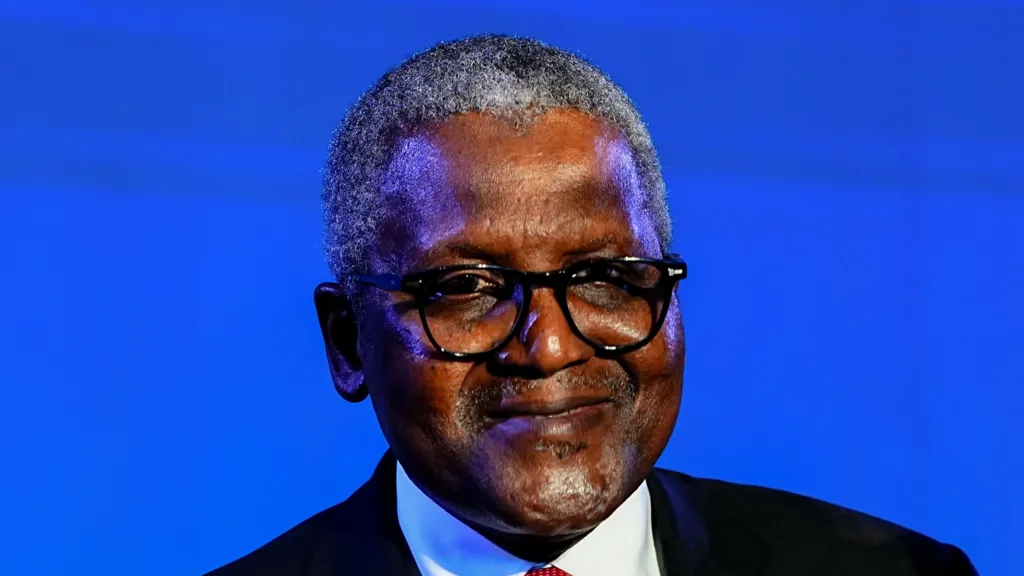
Dangote Backs $660m Ethiopia-Djibouti Fuel Pipeline to Boost Energy Security
Africa’s industrial expansion is gaining another major infrastructure boost after Nigerian billionaire Aliko Dangote announced plans to help finance a $660 million fuel pipeline linking Ethiopia and Djibouti. The major energy project is expected to improve the movement of petroleum products into landlocked Ethiopia, reduce transportation times and strengthen the country’s fuel supply chain. The […]
Frank Ocansey