
Olympic Games: How the New Olympic Rules Could Transform Future Games

Frank Ocansey
Editor, PulseView

The Olympic Games have always evolved to reflect changes in sport, society, and technology. From introducing new events to improving athlete welfare and strengthening anti-doping measures, the International Olympic Committee (IOC) regularly updates its rules to ensure the Games remain fair, competitive, and relevant.
In 2026, the International Olympic Committee (IOC) approved several significant reforms that could reshape the future of the Olympic Movement. These changes affect everything from athlete participation and the selection of sports to financial support and the principle of political neutrality. While some reforms have been widely welcomed, others have sparked global debate among athletes, sports federations, and fans.
As preparations continue for the Los Angeles 2028 Olympic Games and beyond, these new policies could influence how future Olympics are organized and experienced.
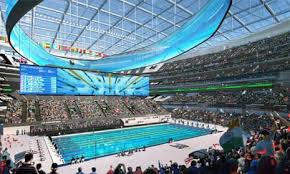
Strengthening Political Neutrality in Sport
One of the most significant changes approved by the IOC is a stronger commitment to protecting the political neutrality of the Olympic Games.
The revised Olympic Charter now makes it clear that sport should remain free from governmental, cultural, societal, and economic pressures. The IOC says the reforms are designed to protect athletes and competitions from political interference while ensuring that the Olympic Games are not used as platforms for political agendas.
This change comes after years of geopolitical tensions affecting international sport, including disputes involving athlete participation, sanctions, and international conflicts.
For future Games, organizers may face greater expectations to ensure that competitions remain focused on athletic excellence rather than political controversies.
A New Way of Selecting Olympic Sports
Another major reform concerns how Olympic sports are chosen.
Traditionally, the IOC has evaluated entire sports for inclusion in the Olympic programme. Under the new rules, however, individual disciplines within sports will be assessed separately beginning with the 2032 Brisbane Olympic Games.
This approach gives the IOC greater flexibility.
Rather than removing or adding an entire sport, the committee will be able to retain the most popular disciplines while replacing those that attract limited participation or audience interest.
For example, one discipline within a sport could remain on the Olympic programme while another may be removed.
Supporters believe this will make future Olympics more dynamic and better aligned with changing sporting trends.
Critics, however, worry that some traditional Olympic events could eventually disappear if they fail to attract sufficient global interest.
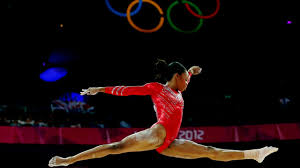
Greater Financial Support for Athletes
For more than a century, Olympic athletes competed without receiving direct financial compensation from the IOC.
That tradition has now changed.
The IOC has introduced a US$10,000 participation grant for every Olympian competing in the Summer and Winter Games. Payments are expected to be made after the Games, provided athletes comply with anti-doping rules and Olympic regulations.
This historic decision recognizes that many athletes dedicate years of training without significant financial support.
For competitors from lower-income countries, the grant could help cover training costs, medical expenses, travel, equipment, and future competition preparation.
Many athletes have welcomed the move as an important step toward improving athlete welfare.
New Eligibility Rules for Women’s Competition
Perhaps the most widely discussed reform concerns eligibility for women’s events.
The IOC has introduced a new policy for future Olympic Games aimed at creating a consistent approach across sports for the female category. The policy is intended to prioritize fairness and safety in elite competition and includes new eligibility requirements that will apply beginning with the Los Angeles 2028 Olympics.
Supporters argue that the changes create greater consistency and clarity across international sport.
Critics, however, have raised concerns about inclusion, human rights, and the potential impact on some athletes.
The issue remains one of the most debated topics in modern sport, and discussions are likely to continue as implementation approaches.
Technology Will Play an Even Bigger Role
Although not introduced through a single rule, recent IOC reforms continue to encourage greater use of technology across the Olympic Games.
Future Olympics are expected to rely more heavily on:
- Artificial intelligence for event management.
- Advanced performance analytics.
- Improved judging technology.
- Enhanced athlete monitoring.
- Digital broadcasting experiences.
- Smart ticketing and crowd management.
These innovations aim to improve fairness, reduce human error, and enhance the experience for both athletes and spectators.
Technology will also continue to strengthen anti-doping efforts through more sophisticated testing and monitoring systems.
Impact on Smaller Sports
The new discipline-based selection system could significantly affect smaller Olympic sports.
Sports that consistently attract large television audiences, sponsorships, and global participation may receive greater attention during future programme reviews.
Meanwhile, disciplines with declining popularity could face increased pressure to justify their Olympic status.
This could encourage international federations to modernize competitions, improve fan engagement, and invest more heavily in grassroots development.
Ultimately, the reforms may create a more competitive environment among sports seeking Olympic inclusion.
Greater Pressure on International Federations
The IOC’s reforms also place greater responsibility on international sports federations.
Federations will be expected to demonstrate:
- Strong governance.
- Transparent administration.
- Gender equality.
- Athlete welfare programmes.
- Financial sustainability.
- Global participation.
- Competitive integrity.
Those unable to meet these standards may find it increasingly difficult to secure long-term Olympic inclusion.
This could lead to better-managed sports organizations worldwide.
What These Changes Mean for Athletes
For athletes, the reforms present both opportunities and challenges.
Positive developments include increased financial support, clearer eligibility frameworks, stronger protections against political interference, and continued investment in athlete welfare.
At the same time, competitors in certain sports may face uncertainty if their disciplines are reviewed or removed from future Olympic programmes.
Athletes will also need to stay informed about evolving eligibility and qualification requirements as new policies are implemented.
What It Means for Africa
African nations could benefit from several of the new reforms.
The athlete participation grant may provide valuable financial assistance to competitors from countries with limited sporting resources.
Greater flexibility in the Olympic programme could also create opportunities for sports in which African athletes excel to gain increased visibility.
However, African Olympic committees and sports federations will need to adapt quickly to new governance standards and qualification requirements.
Investment in athlete development, coaching, sports science, and administration will become even more important if African countries hope to increase their medal success in future Games.
Looking Ahead to Los Angeles 2028
Many of these reforms will begin influencing preparations for the Los Angeles 2028 Olympic Games.
Organizers, athletes, and sports federations will spend the coming years adapting to the new policies while ensuring competitions remain fair, inclusive, and exciting.
The IOC believes these reforms will modernize the Olympic Movement and better prepare it for future generations.
Whether all the changes achieve their intended goals remains to be seen, but one thing is certain:
The Olympic Games are entering a new era.
Conclusion
The International Olympic Committee (IOC’s) latest reforms represent one of the most significant updates to Olympic governance in recent years.
From strengthening political neutrality and reshaping how sports are selected to improving athlete support and introducing new eligibility frameworks, these changes have the potential to influence every future Olympic Games.
Some reforms have been praised as necessary modernization, while others continue to generate intense debate.
As the world looks ahead to Los Angeles 2028 and Brisbane 2032, these new Olympic rules will not only shape competitions—they may redefine the future of the Olympic Movement itself.
Also read: Lionel Messi Breaks World Cup Record: Is He the Greatest Footballer Ever?
Continue Reading

Ozempic and Mounjaro Not Banned by WADA in 2027: But Athletes Face Warning
Athletes will remain permitted to use weight-loss drugs such as Ozempic and Mounjaro under World Anti-Doping Agency rules in 2027, but WADA is continuing to monitor the medications amid concerns about possible performance benefits, health risks and misuse in elite sport. The rapidly growing use of GLP-1 weight-loss medications has created a new challenge for […]
Frank Ocansey

Chelsea Spent £349m: So Why Are Two Right-Backs Playing in Midfield?
Chelsea spent £349 million during the summer transfer window and signed 10 first-team players, yet their 2-1 defeat by Arsenal ended with Reece James and Malo Gusto two players who began their careers as right-backs operating together in midfield. It was a striking image that raised a difficult question: have Chelsea rebuilt almost everywhere except […]
Frank Ocansey

How Harry Kane Scored 73 Goals by Dropping Deeper Than Ever for Bayern Munich
Harry Kane has just produced the most prolific season of his career, scoring 73 goals for club and country. What makes that achievement even more remarkable is that the Bayern Munich striker has been operating deeper than ever before sometimes appearing in midfield and even close to his own penalty area. Rather than reducing his […]
Frank Ocansey