
WHO’s New Malaria Guidance: What It Means for Africa’s Fight Against a Deadly Disease

Frank Ocansey
Editor, PulseView

New Malaria Guidance: Malaria remains one of Africa’s greatest public health challenges, claiming hundreds of thousands of lives every year despite decades of prevention and treatment efforts. While significant progress has been made, the disease continues to place enormous pressure on healthcare systems, particularly in sub-Saharan Africa, where the vast majority of global malaria cases and deaths occur.
To strengthen the global response, the World Health Organization (WHO) has introduced updated malaria guidance that reflects the latest scientific evidence and emerging public health challenges. The new recommendations focus on improving malaria prevention, diagnosis, treatment, surveillance, and vector control, while encouraging countries to adopt more targeted and data-driven strategies.
For Africa, where malaria remains endemic in many countries, these updated guidelines could have far-reaching implications. From Ghana to Nigeria, Kenya to Uganda, governments and health partners are expected to review their national malaria control programmes to ensure they align with WHO’s latest recommendations.
New Malaria Guidance
Why WHO Updated Its Malaria Guidance
Malaria control has changed significantly over the past decade.
New technologies, improved medicines, malaria vaccines, growing insecticide resistance, and better surveillance systems have transformed how countries fight the disease. At the same time, new challenges including climate change, humanitarian crises, population movement, and increasing resistance among mosquitoes and parasites have threatened previous gains.
Recognising these developments, WHO regularly reviews scientific evidence and updates its recommendations so that countries can adopt the most effective interventions available.
The latest guidance aims to help countries make smarter decisions based on local malaria transmission patterns rather than relying on a single approach for every setting.
Greater Focus on Data-Driven Decision Making
One of the most significant messages in the updated guidance is the importance of using high-quality surveillance data.
WHO encourages countries to strengthen malaria surveillance systems so that outbreaks can be detected early and resources can be directed to communities with the highest burden of disease.
Rather than distributing interventions uniformly, countries are encouraged to analyse local health data to identify transmission “hotspots” and tailor prevention measures accordingly. Better surveillance also helps governments monitor progress, evaluate interventions, and respond rapidly to emerging threats.
For African countries with digital health platforms such as Ghana’s DHIMS2, improved use of routine health data could make malaria programmes more efficient and cost-effective.
Improving Mosquito Control
Mosquito control remains one of the cornerstones of malaria prevention.
WHO continues to recommend widespread use of insecticide-treated mosquito nets (ITNs) and indoor residual spraying (IRS). However, the updated guidance recognises the growing challenge of insecticide resistance and includes newer insecticides for indoor spraying, while also recommending spatial repellents (“spatial emanators”) in appropriate settings based on emerging evidence.
For Africa, this means malaria programmes may increasingly adopt more effective insecticides where mosquitoes have become resistant to older chemicals.
Communities are also encouraged to continue sleeping under treated mosquito nets every night, eliminate stagnant water where mosquitoes breed, and support community-wide vector control programmes.
Expanding Preventive Treatment
WHO’s guidance continues to support preventive medicines for groups most at risk.
These include:
- Pregnant women through Intermittent Preventive Treatment in Pregnancy (IPTp).
- Young children in seasonal malaria transmission areas through Seasonal Malaria Chemoprevention (SMC).
- Infants and, where appropriate, school-aged children in high-transmission settings through preventive chemotherapy programmes.
These interventions have already saved millions of lives across Africa and remain central to reducing severe illness and malaria-related deaths.
Malaria Vaccines Continue to Expand
One of the biggest breakthroughs in recent years has been the introduction of malaria vaccines.
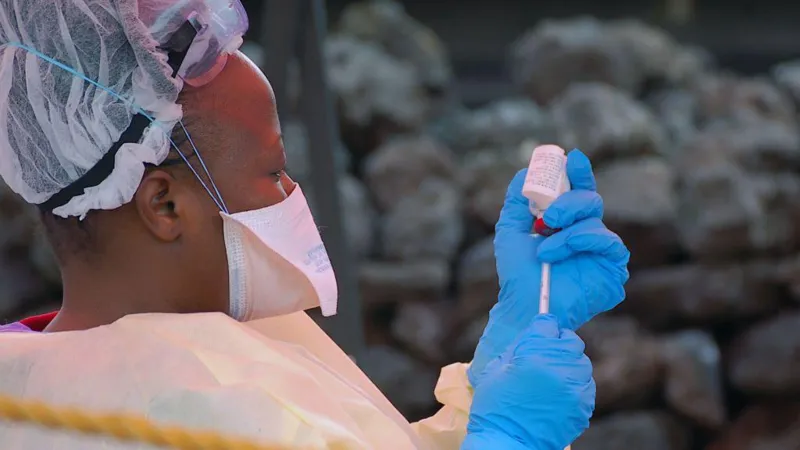
WHO supports the use of approved malaria vaccines as part of a broader package of malaria prevention measures in areas with moderate to high transmission. Vaccination is intended to complement, not replace, other interventions such as mosquito nets, prompt diagnosis, and effective treatment.
Countries including Ghana have already gained experience introducing malaria vaccines through pilot programmes, and broader implementation across Africa is expected to strengthen child survival efforts.
Early Diagnosis and Prompt Treatment Remain Essential
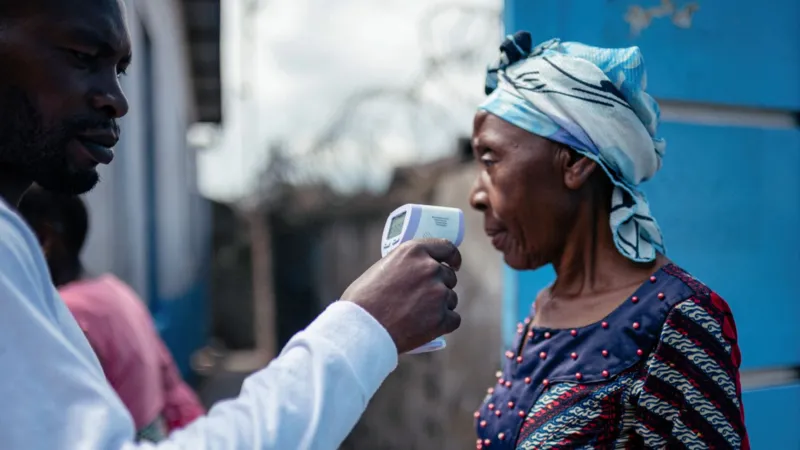
WHO continues to emphasise that every suspected malaria case should be confirmed through diagnostic testing whenever possible before treatment begins.
Rapid diagnostic tests and microscopy remain essential tools for accurate diagnosis, helping ensure patients receive appropriate medicines while reducing unnecessary use of antimalarial drugs.
Prompt treatment remains one of the most effective ways to prevent severe malaria and reduce deaths.
Health facilities are encouraged to maintain reliable supplies of diagnostic kits and effective medicines while ensuring healthcare workers receive regular training on updated treatment protocols.
Addressing Drug Resistance
Drug resistance remains one of the greatest long-term threats to malaria control.
WHO has updated some treatment recommendations as new evidence emerges, including guidance for Plasmodium vivax malaria and continued monitoring of antimalarial drug effectiveness. The organisation also stresses the importance of surveillance systems that can detect declining treatment efficacy early.
African countries are therefore encouraged to strengthen laboratory capacity and regularly monitor the effectiveness of antimalarial medicines.
What This Means for Ghana
For Ghana, the updated WHO guidance reinforces many interventions already being implemented through the National Malaria Elimination Programme.
Continued distribution of long-lasting insecticide-treated nets, indoor residual spraying in selected areas, seasonal malaria chemoprevention in eligible districts, and improved surveillance remain priorities.
The guidance also highlights opportunities to strengthen data-driven decision-making, improve insecticide resistance management, expand vaccine implementation where appropriate, and ensure prompt diagnosis and treatment at every level of the healthcare system.
Community education will remain essential, particularly in encouraging early health-seeking behaviour, consistent use of mosquito nets, and environmental sanitation to reduce mosquito breeding.
The Road Ahead for Africa
Africa carries the overwhelming majority of the world’s malaria burden, making success on the continent essential for achieving global malaria targets.
The updated WHO guidance provides countries with a stronger framework for responding to changing malaria patterns while embracing new technologies and scientific advances.
However, success will depend on sustained political commitment, adequate funding, strong healthcare systems, effective surveillance, community participation, and continued international collaboration.
Without these investments, malaria could regain ground in communities that have already made significant progress.
Conclusion
WHO’s updated malaria guidance represents more than a routine policy revision it reflects a shift toward smarter, more targeted, and evidence-based malaria control.
For Africa, the recommendations offer an opportunity to strengthen national malaria programmes, improve the use of health data, adopt newer prevention tools, expand vaccine coverage, and respond more effectively to emerging challenges such as insecticide and drug resistance.
If governments, healthcare workers, researchers, and communities work together to implement these recommendations, Africa could move closer to reducing malaria cases and deaths while protecting millions of people from one of the continent’s deadliest diseases.
Author: Ellen Akorli, University of Health And Allied Sciences
New Malaria Guidance
Also read: Why Ghana Needs a Stronger Health Workforce: The Key to Achieving Universal Health Coverage
Continue Reading

How to Get Rid of Brain Fog: 9 Simple Ways to Improve Focus and Mental Clarity
Brain fog can make it difficult to concentrate, remember simple things or think clearly. While it is not a medical condition on its own, it can leave you feeling mentally slow and overwhelmed. The good news is that small changes to your daily routine may help improve focus, reduce mental overload and support better brain […]
Frank Ocansey

What Screen Time Really Does to Children’s Brains: What the Science Says
Screen Time: Parents are repeatedly warned that smartphones, tablets, gaming and social media could damage children’s brains. But despite growing concern about screen use, researchers remain divided over how harmful it really is — and whether the amount of screen time matters as much as what children are actually doing online. Screen time has become […]
Frank Ocansey

Box Breathing for Stress: How the 4-4-4-4 Technique Helps Calm Your Nervous System
Box breathing has become one of the most popular breathing techniques for managing stress, anxiety and moments of intense pressure. Used by athletes, military personnel and people struggling with sleeplessness, the method is remarkably simple: breathe in, hold, breathe out and hold again for equal amounts of time. But what actually happens inside the body […]
Frank Ocansey