
How to Get Rid of Brain Fog: 9 Simple Ways to Improve Focus and Mental Clarity

Frank Ocansey
Editor, PulseView

Brain fog can make it difficult to concentrate, remember simple things or think clearly. While it is not a medical condition on its own, it can leave you feeling mentally slow and overwhelmed. The good news is that small changes to your daily routine may help improve focus, reduce mental overload and support better brain health.
Have you ever walked into a room and completely forgotten why you went there?
Or lost your train of thought halfway through a sentence?
Maybe you have stared at your computer screen for several minutes, unable to concentrate on a task that would normally be easy.
That cloudy, sluggish feeling is commonly described as brain fog.
Brain fog is not a specific medical diagnosis. Instead, it describes a collection of cognitive symptoms such as forgetfulness, poor concentration, difficulty thinking clearly and feeling mentally slower than usual.
It can happen for many reasons.
Sometimes it is linked to stress, exhaustion or having too many things competing for your attention.
In other cases, it may occur alongside conditions such as long Covid, autoimmune diseases, menopause or perimenopause.
Whatever the cause, several simple strategies may help reduce the mental clutter.
What Does Brain Fog Feel Like?
Brain fog can affect people differently.
Common experiences include:
- Difficulty concentrating
- Forgetfulness
- Losing your train of thought
- Trouble finding the right words
- Feeling mentally exhausted
- Difficulty making decisions
- Taking longer to complete simple tasks
- Feeling distracted more easily than usual
The symptoms may be mild and temporary or persistent enough to interfere with work, study and everyday activities.
1. Stop Putting So Much Pressure on Yourself
The first step is recognising that occasional brain fog does not necessarily mean something is seriously wrong.
When your brain is tired, stressed or overloaded, concentration can naturally become more difficult.
Trying to force yourself to perform at maximum capacity can sometimes make the problem worse.
Instead, acknowledge when you are mentally overloaded.
Slow down where possible.
Delegate tasks.
Postpone things that are not urgent.
And ask for help when you need it.
Brain fog is often temporary, particularly when it is related to fatigue or stress.
However, persistent or worsening symptoms should be discussed with a healthcare professional.
2. Create Predictable Daily Routines
One major cause of mental exhaustion is decision fatigue.
Every small decision requires mental effort.
What should I wear?
What should I eat?
Which task should I do first?
When should I exercise?
What do I need to remember before leaving the house?
Individually, these decisions seem insignificant.
But dozens of them throughout the day can place additional pressure on working memory and attention.
Creating routines can reduce that burden.
Why Routines Can Help Your Brain
A predictable structure means your brain does not have to constantly decide what happens next.
For example, you might establish:
- A consistent wake-up time
- A fixed morning routine
- Regular meal times
- Dedicated periods for focused work
- A predictable bedtime routine
Even small preparations can help.
Laying out your clothes the night before or preparing breakfast in advance removes another decision from the following morning.
The fewer unnecessary decisions your brain has to make, the more mental energy you may have for important tasks.
3. Stop Scheduling Everything Back-to-Back
Modern life encourages people to fill every available minute.
One meeting ends and another begins.
Then comes an errand.
Then a phone call.
Then another task.
The brain gets very little opportunity to reset.
This constant switching between activities may contribute to mental fatigue and difficulty concentrating.
Instead of moving immediately from one responsibility to another, try creating small gaps between tasks.
Even five to 10 minutes can help.
Try Creating Mental ‘Firebreaks’
Think of these breaks as buffers between activities.
During a short break, you might:
- Stretch
- Drink some water
- Walk outside
- Take several slow breaths
- Sit quietly
- Look away from your computer
- Avoid checking social media
The purpose is not to be productive.
It is to allow your mind to finish processing one activity before beginning another.
This may make it easier to focus when you return to work.
4. Stop Trying to Remember Everything
Many people use their brain like a storage system.
They constantly try to remember:
“I need to pay that bill.”
“I have an appointment on Thursday.”
“I need to call someone.”
“I must remember to buy groceries.”
“I have a meeting tomorrow morning.”
Trying to hold all of these reminders in your mind creates unnecessary mental clutter.
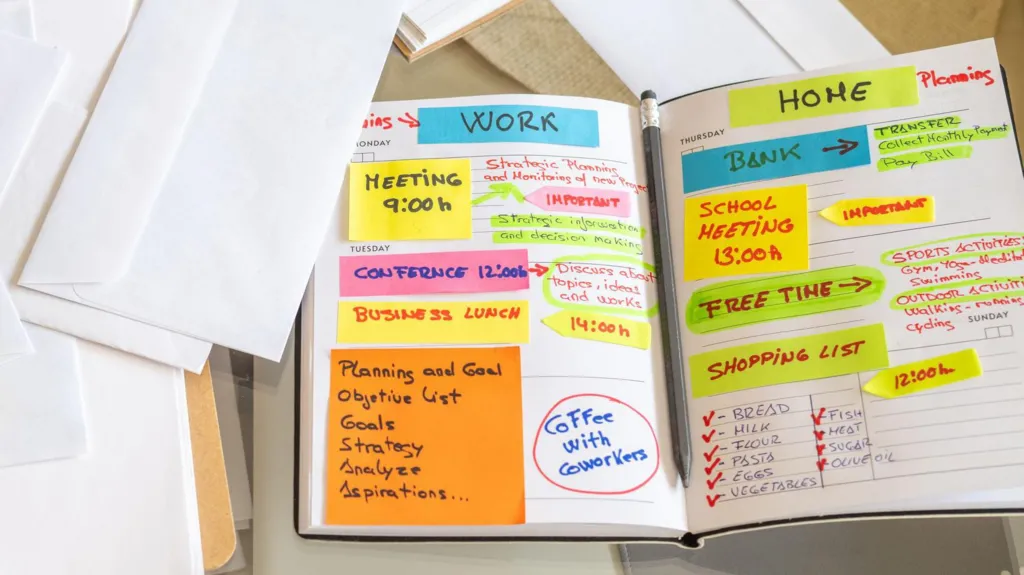
Instead, use external tools.
Let Your Phone Remember Things for You
Calendars, alarms and reminder apps can significantly reduce the pressure on your working memory.
As soon as you remember an important task, write it down or schedule it.
You can also automate recurring reminders.
For example:
- Monthly bill reminders
- Medication reminders
- Weekly shopping lists
- Exercise appointments
- Regular lunch breaks
- Work deadlines
- Family commitments
The objective is to stop repeatedly asking yourself:
“What am I forgetting?”
Once a task is safely stored somewhere reliable, your brain can focus on what you are doing right now.
The SWANS Approach to Brain Fog
Alongside practical organisation strategies, the article recommends an easy acronym:
SWANS
Each letter represents a lifestyle habit that can support concentration and general brain health.
They are:
Sleep
Water
Activity
Nutrition
Stress
Together, these five areas address some of the most common factors that can worsen mental fatigue.
S — Prioritise Sleep
Sleep is one of the most important factors affecting concentration and memory.
During sleep, the brain processes information and consolidates memories.
Without adequate rest, attention can become weaker and thinking may feel slower.
Adults generally need around seven to nine hours of sleep per night, although individual requirements vary.
Poor sleep can make even simple tasks feel mentally exhausting.
How to Improve Your Sleep Routine
Try going to bed and waking up at approximately the same time each day.
Reduce unnecessary stimulation before bedtime.
Keep your bedroom comfortable.
And avoid repeatedly sacrificing sleep to finish non-urgent work.
If you consistently wake feeling exhausted despite apparently getting enough sleep, consider discussing it with a healthcare professional.
Persistent sleep problems can have many causes.
W — Drink Enough Water
Dehydration can affect both physical and mental performance.
Because water is essential for normal body function, even mild dehydration may leave some people feeling tired, sluggish or unable to concentrate properly.
Keeping water nearby can make drinking regularly easier.
You do not necessarily need to force yourself to consume excessive amounts.
Instead, develop the habit of drinking regularly throughout the day.
Your hydration needs will vary depending on factors such as weather, physical activity and health status.
A — Get Your Body Moving
Physical activity benefits more than muscles and cardiovascular health.
Movement also increases circulation and supports blood flow throughout the body, including the brain.
You do not need an intense gym session every time.
Simple activities can help.
Try:
- A short walk
- Gentle jogging
- Stretching
- Cycling
- Dancing
- Taking the stairs
- Moving around during work breaks
If you have been sitting for several hours and notice your concentration fading, even a short walk may help you feel more alert.

N — Give Your Brain Better Nutrition
The brain requires a steady supply of nutrients to function effectively.
A balanced diet containing a variety of whole or minimally processed foods can support overall health.
The article highlights choline, a nutrient involved in brain function.
Food sources include:
- Eggs
- Fish
- Nuts
But no single nutrient or food can instantly eliminate brain fog.
The bigger goal should be a balanced eating pattern that provides adequate protein, healthy fats, vitamins, minerals and energy.
Avoid Expecting a ‘Brain Fog Superfood’
It can be tempting to search online for one food, drink or supplement that promises immediate mental clarity.
Brain function is much more complicated.
Eating one particular food will not compensate for chronic sleep deprivation, severe stress, dehydration or an underlying medical condition.
Nutrition works best as part of a broader healthy lifestyle.
S — Manage Chronic Stress
Stress is one of the biggest contributors to feeling mentally overloaded.
During periods of stress, the body releases hormones including cortisol.
This response is useful when you need to react quickly to a challenge.
But when stress becomes persistent, concentration and memory may suffer.
You may feel mentally scattered even when trying to perform routine tasks.
Simple Ways to Reduce Stress
Stress-management techniques do not need to be complicated.
You might try:
- Slow breathing exercises
- Mindfulness
- Walking
- Listening to music
- Spending time outdoors
- Hobbies
- Exercise
- Talking with someone you trust
- Taking regular breaks
The most effective strategy will vary from person to person.
The important thing is recognising that your brain cannot operate at maximum intensity indefinitely.
Brain Fog After a Busy Weekend or Holiday
Some people notice brain fog when returning to work after time away.
This may happen because your routine has changed.
Sleep schedules may have shifted.
Meal times may be different.
You may have been socially busy.
Then, suddenly, your brain is expected to return to intense concentration.
Rather than expecting peak productivity immediately, give yourself a short adjustment period.
Start with clear priorities.
Avoid trying to tackle everything at once.
Multitasking Could Be Making Things Worse
Another useful strategy is reducing multitasking.
People often believe they are doing several things simultaneously.
In reality, the brain is frequently switching attention from one task to another.
For example:
You answer an email.
Check your phone.
Return to a report.
Respond to a message.
Attend a notification.
Then attempt to continue writing.
Every switch has a cognitive cost.
If you are already experiencing brain fog, constant task-switching can make concentration even more difficult.
Try Single-Tasking
Choose one important task.
Remove unnecessary distractions.
Work on it for a defined period.
Then take a short break.
This may feel slower initially, but it often produces better concentration than repeatedly jumping between tasks.
You can also silence unnecessary phone notifications while working.
The fewer interruptions your brain has to process, the easier it may be to maintain focus.
When Brain Fog Could Be More Than Stress
Brain fog can sometimes be related to an underlying health condition.
The article highlights possible links with:
- Long Covid
- Lupus and other autoimmune conditions
- Menopause
- Perimenopause
Other causes may also exist.
That is why persistent brain fog should not automatically be blamed on stress or poor organisation.
When Should You See a Doctor?
Consider seeking medical advice if your brain fog:
- Continues for a long period
- Is getting progressively worse
- Significantly interferes with work or daily life
- Appears suddenly and unusually
- Occurs alongside other concerning symptoms
- Begins after an illness and does not improve
A healthcare professional can assess whether there may be an underlying cause requiring investigation.
Sudden confusion, severe neurological symptoms or significant changes in consciousness require urgent medical attention rather than self-management.
You Don’t Need to Fix Everything at Once
Perhaps the biggest mistake people make when trying to improve their wellbeing is attempting to change everything overnight.
You do not need to immediately perfect your diet, sleep eight hours every night, exercise daily, meditate and reorganise your entire schedule.
Start with the factor most likely to be affecting you.
If you are sleeping five hours each night, begin there.
If you regularly forget to drink water, improve hydration.
If your calendar is chaotic, create more structure.
If you never take breaks, add them.
Small changes are easier to maintain.
A Simple Daily Brain-Fog Routine
A practical day might look something like this:
Wake at roughly the same time.
Drink water.
Eat a balanced breakfast.
Review your calendar instead of trying to remember everything mentally.
Choose your most important tasks.
Work in focused periods.
Take short breaks between demanding activities.
Move your body during the day.
Eat regular, nourishing meals.
Create time to decompress.
And protect your sleep.
None of these actions is revolutionary.
But together, they may reduce some of the conditions that make brain fog worse.
The Bottom Line
Brain fog can be frustrating, particularly when you are trying to work, study or manage a busy life.
But mental cloudiness is often a sign that your brain is dealing with too much at once.
The most useful strategies may therefore be surprisingly simple.
Create predictable routines.
Take breaks.
Stop trying to remember every obligation.
Use calendars and reminders.
And remember SWANS:
Sleep.
Water.
Activity.
Nutrition.
Stress management.
These habits will not solve every cause of brain fog, particularly when an underlying health condition is involved.
But they can reduce mental overload and create better conditions for concentration, memory and clear thinking.
And if the fog refuses to clear, becomes worse or begins affecting your everyday life, it is worth speaking with a healthcare professional rather than simply trying to push through it.
Struggling with brain fog, poor concentration or forgetfulness? Discover practical ways to improve mental clarity using better sleep, hydration, exercise, nutrition, routines and stress management.
Also Read: Scientists Reveal the Breathing Techniques That Can Calm Stress and Anxiety Within Minutes
Continue Reading

How to Exercise Safely in Air Pollution: 7 Ways to Reduce Exposure
Exercise Safely: Exercising regularly is one of the most effective ways to protect your health, but what happens when the air you breathe during a workout is polluted? For runners, cyclists and people who walk to work, traffic fumes and airborne particles can turn an otherwise healthy activity into a source of concern. During vigorous […]
Frank Ocansey
Can We Change How Our Brains Age? What Scientists Are Discovering
Brains Age: For decades, scientists have known that the way we live can influence how well our bodies age. But a more intriguing question is now gaining attention: could technology help us understand and potentially slow the ageing of the human brain? Researchers are increasingly combining artificial intelligence, brain imaging, sleep tracking, genetics and large […]
Frank Ocansey

Getting Hands Dirty Could Boost Your Health, Scientists Say
Getting Hands Dirty: Touching soil, grass, trees and other natural materials may do more than connect us with the outdoors. Emerging research suggests that regular contact with nature can increase the diversity of microbes living on our skin and may influence how the immune system functions. For many people, getting dirty is something to avoid. […]
Frank Ocansey