
A Hidden Blood Pump: Scientists Reveal How Chewing More Could Boost Memory, Reduce Stress and Protect the Brain

Frank Ocansey
Editor, PulseView

Blood Pump: Most people think chewing is simply the first step in digestion. But growing scientific evidence suggests the simple act of chewing may do far more than help break down food.
Researchers now say chewing properly could improve digestion, help with weight control, sharpen concentration, reduce stress levels, and even protect the brain against cognitive decline and diseases such as Alzheimer’s.
Some scientists have even described chewing as a “hidden blood pump” for the brain because of its potential role in increasing blood flow and stimulating important neurological functions.
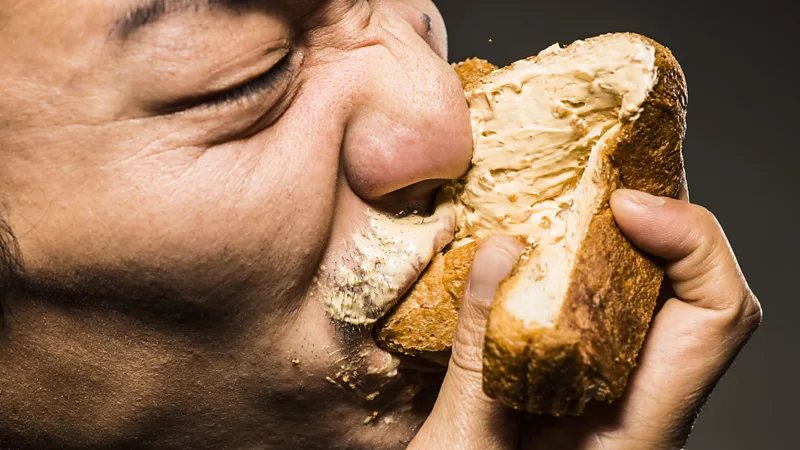
Blood Pump: The Man Who Chewed a Shallot 722 Times
Long before modern science began investigating chewing, an American nutrition enthusiast named Horace Fletcher became famous for promoting the idea that food should be chewed excessively before swallowing.
Known as “The Great Masticator,” Fletcher once reportedly chewed a shallot 722 times before swallowing it.
He believed food should be chewed until it became completely liquid and “practically swallowed itself.”
Although many considered his methods extreme, experts now say some aspects of his ideas were surprisingly accurate.
“In some aspects, he was actually right,” said Mats Trulsson, a professor in the Department of Dental Health at the Karolinska Institutet in Sweden.
Humans Used to Spend Hours Chewing
Scientists say chewing has played a major role throughout human evolution.
Millions of years ago, early human ancestors survived on tough foods such as nuts, seeds, roots, and fibrous plants that required extensive chewing.
As a result, humans evolved larger jaws, stronger facial muscles, and bigger molars to process difficult foods.
Today, however, modern humans chew far less than our ancient ancestors or even our closest primate relatives.
Researchers estimate humans now spend only about 35 minutes chewing daily, compared to:
- 4.5 hours for chimpanzees and bonobos
- 6.6 hours for gorillas and orangutans
Experts say cooking, agriculture, processed foods, and softer diets significantly reduced the need for prolonged chewing.

Chewing Is the First Step of Digestion
At its most basic level, chewing breaks food into smaller particles and mixes it with saliva to make swallowing easier.
“It’s the first phase of digestion,” explained oral physiology researcher Andries van der Bilt.
Chewing also stimulates saliva production and releases digestive enzymes such as amylase, which help begin the breakdown of carbohydrates even before food reaches the stomach.
In addition, chewing signals the gut and pancreas to prepare digestive juices for incoming food.
“If you don’t chew, the gut is not prepared to handle food,” said Trulsson.
Better Chewing Improves Nutrient Absorption
Scientists say chewing food thoroughly increases the surface area of food particles, allowing digestive juices to work more efficiently.
This can improve nutrient absorption and reduce digestive discomfort such as:
- Bloating
- Constipation
- Fullness
- Excess fermentation in the gut
One study involving almonds found that people who chewed nuts more thoroughly absorbed significantly more fat and nutrients compared to those who chewed less.
Researchers discovered that the more participants chewed, the less fat appeared in their stool, suggesting better absorption of energy from food.
Chewing More May Help With Weight Loss
Another major benefit linked to chewing is appetite control.
Studies suggest that chewing slowly and thoroughly may help people consume fewer calories and feel full for longer.
This happens because chewing gives the body more time to activate hormones linked to fullness and satiety.
In one study, participants who chewed pizza 40 times before swallowing felt fuller than those who chewed only 15 times.
The slower chewers also showed:
- Higher levels of digestion-related hormones
- Reduced hunger hormone levels
- Lower appetite after eating
Scientists say it takes approximately 20 minutes for the body to recognise fullness after eating begins. Slower chewing helps bridge that gap.
This is one reason dieticians often recommend mindful eating instead of rushing meals.
Research involving children in Brazil also found that obese children tended to chew less and eat faster than children with normal body weight.

Food Texture Also Matters
Experts say the texture of food influences how much chewing is required — and ultimately how full people feel.
Foods that require more chewing include:
- Whole fruits
- Nuts
- Oatmeal
- Vegetables
- High-fibre foods
Liquids and ultra-soft foods generally require less chewing and may not produce the same feeling of fullness.
“The texture of food can affect how full we feel,” explained researcher Abhishek Kumar.
Scientists Link Chewing to Brain Health
Perhaps the most fascinating area of research is the connection between chewing and brain function.
Scientists are increasingly studying what they call the “bite-brain axis” — the idea that chewing directly affects brain health.
Research has already shown that poor dental health and tooth loss are associated with increased risks of:
- Dementia
- Alzheimer’s disease
- Cognitive decline
In a major European study involving more than 28,500 adults over age 50, people with better chewing ability performed significantly better in tests involving:
- Word recall
- Verbal fluency
- Numerical reasoning
Another study involving adults aged 55 to 80 found that people who retained more of their natural teeth had stronger long-term and semantic memory.
How Chewing May Boost the Brain
Scientists believe chewing may stimulate brain activity in several ways.
One theory is that chewing increases blood flow to the brain.
“The theory is that chewing works like a pump, pumping blood to the brain,” said Trulsson.
Improved blood circulation may help keep brain tissues healthy and active.
Researchers also believe chewing stimulates nerve pathways connected to the hippocampus — the brain region involved in memory formation and one of the first areas affected in Alzheimer’s disease.
Could Replacing Teeth Improve Brain Function?
Scientists are now exploring whether improving dental health could potentially slow cognitive decline.
Trulsson and his team are conducting experiments replacing missing teeth with implants and studying changes in brain function before and after treatment.
Researchers are using MRI scans to examine whether improving chewing ability can positively affect brain blood vessels and cognitive performance.
“Wouldn’t it be really cool if you can rehabilitate the brain by rehabilitating the dentition?” Trulsson said.
Chewing May Improve Concentration and Alertness
Research also suggests chewing may help improve attention and focus.
A meta-analysis involving 21 studies found small but measurable improvements in attention levels among people who chewed gum during mentally demanding tasks.
Another experiment found that chewing improved alertness by approximately 10% during cognitive testing.
Some researchers believe chewing stimulates areas of the brain associated with concentration and sensory processing.
Can Chewing Reduce Stress?
Several studies suggest chewing may help reduce anxiety and stress levels.
Research involving nursing students found that those who chewed gum regularly experienced lower stress, anxiety, and depression during examination periods.
Other studies showed chewing gum helped reduce anxiety among surgical patients and children undergoing medical procedures.
Scientists say chewing may naturally calm the nervous system and reduce levels of cortisol — a hormone associated with stress.
However, researchers caution that evidence linking chewing directly to stress reduction remains mixed and requires further investigation.
Experts Say There’s No “Perfect” Number of Chews
Despite all the excitement surrounding chewing research, experts say there is no universal rule for exactly how many times food should be chewed.
Unlike Fletcher’s extreme 722-chew philosophy, modern scientists recommend a more practical approach.
“Chew in a normal way until you feel it’s okay to swallow,” said Van der Bilt.
Experts ultimately agree that eating slowly, chewing properly, and enjoying textured, nutritious foods may offer important benefits not only for digestion but also for long-term brain and overall health.
Source: BBC
Also read: Isometric Exercise: The Most Efficient Fitness Regime You Can Do at Home
Continue Reading

How to Exercise Safely in Air Pollution: 7 Ways to Reduce Exposure
Exercise Safely: Exercising regularly is one of the most effective ways to protect your health, but what happens when the air you breathe during a workout is polluted? For runners, cyclists and people who walk to work, traffic fumes and airborne particles can turn an otherwise healthy activity into a source of concern. During vigorous […]
Frank Ocansey
Can We Change How Our Brains Age? What Scientists Are Discovering
Brains Age: For decades, scientists have known that the way we live can influence how well our bodies age. But a more intriguing question is now gaining attention: could technology help us understand and potentially slow the ageing of the human brain? Researchers are increasingly combining artificial intelligence, brain imaging, sleep tracking, genetics and large […]
Frank Ocansey

Getting Hands Dirty Could Boost Your Health, Scientists Say
Getting Hands Dirty: Touching soil, grass, trees and other natural materials may do more than connect us with the outdoors. Emerging research suggests that regular contact with nature can increase the diversity of microbes living on our skin and may influence how the immune system functions. For many people, getting dirty is something to avoid. […]
Frank Ocansey