
How to Exercise Safely in Air Pollution: 7 Ways to Reduce Exposure

Frank Ocansey
Editor, PulseView
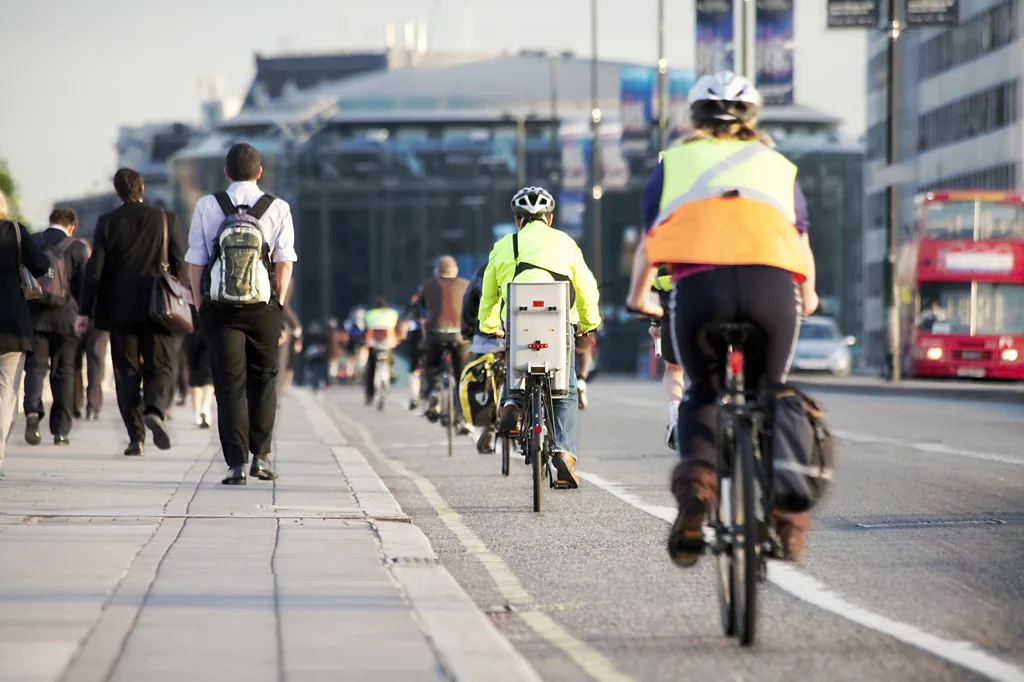
Exercise Safely: Exercising regularly is one of the most effective ways to protect your health, but what happens when the air you breathe during a workout is polluted?
For runners, cyclists and people who walk to work, traffic fumes and airborne particles can turn an otherwise healthy activity into a source of concern. During vigorous exercise, breathing becomes faster and deeper, potentially increasing the amount of polluted air entering the lungs.
Yet health experts caution against abandoning outdoor exercise altogether. Research suggests that the health benefits of physical activity generally outweigh the risks associated with air pollution, although the balance depends on pollution levels, exercise intensity and a person’s underlying health.
The good news is that choosing better routes, avoiding busy traffic periods and checking local air quality can help reduce exposure without sacrificing the benefits of staying active.
What Happens When You Exercise in Polluted Air?
Air pollution contains a mixture of harmful substances released by vehicles, industries, fuel combustion and other sources.
One of the main concerns is fine particulate matter known as PM2.5. These particles measure 2.5 micrometres or less in diameter, making them small enough to penetrate deep into the lungs. Some can enter the bloodstream and affect other organs.
Other pollutants include nitrogen dioxide, sulphur dioxide, carbon monoxide and ground-level ozone.
Long-term exposure to polluted air has been associated with heart disease, respiratory illnesses, some cancers and an increased risk of premature death. Research has also linked certain air pollutants to a higher risk of dementia.
During exercise, the body requires more oxygen. As breathing becomes faster and deeper, the volume of air inhaled increases. This can mean a greater dose of airborne pollutants enters the respiratory system, particularly during intense exercise beside busy roads.
However, the amount inhaled depends on more than exercise alone. Traffic density, weather conditions, the route selected and the duration of exposure all matter.
Do the Benefits of Exercise Outweigh the Risks of Air Pollution?
In most circumstances, yes.
Research cited in the source suggests that the health benefits of walking and cycling generally exceed the risks associated with exposure to polluted air. A review also found that exercising in polluted environments was associated with a 26% reduction in mortality risk compared with inactivity, while exercise in cleaner environments was associated with a 31% reduction.
These figures are findings from the cited research, not a guarantee of the benefit any particular individual will experience.
Exercise supports cardiovascular health, helps regulate blood pressure, improves physical fitness and contributes to mental wellbeing. It may also counteract some harmful effects associated with pollution exposure.
Nevertheless, severe air pollution can reduce these benefits. In some exceptionally polluted environments, the risks may approach or exceed the benefits of prolonged outdoor exercise.
People with asthma, chronic obstructive pulmonary disease (COPD), coronary heart disease or other relevant health conditions may need to take additional precautions.
The aim is therefore not to stop exercising, but to find ways to remain active while breathing cleaner air.
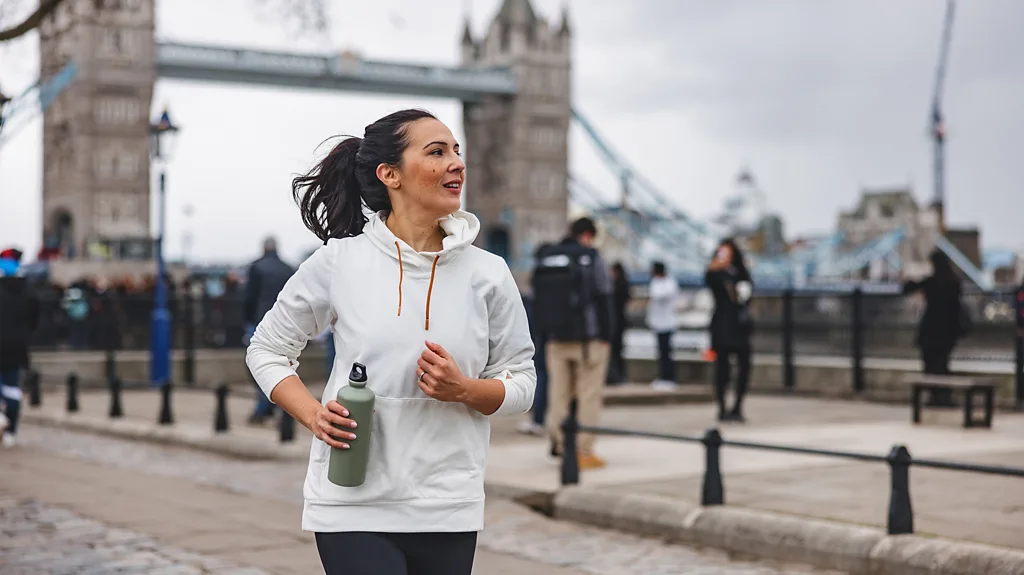
Exercise Safely
Seven Ways to Reduce Air Pollution Exposure During Exercise
1. Choose Routes Away From Heavy Traffic
One of the simplest ways to reduce exposure is to avoid exercising directly beside busy roads.
Vehicle exhaust can create pollution hotspots, particularly where traffic is congested or vehicles remain stationary for long periods.
Research cited by the source suggests that moving just one or two streets away from heavy traffic can reduce pollution exposure by approximately 20% to 30%. Choosing side streets instead of busy roads has been associated with reductions of up to 50% in one study.
Whenever possible, choose quieter residential streets, designated walking and cycling paths, parks or routes with less traffic.
A slightly longer route may be worthwhile if it allows you to exercise in cleaner air.
2. Exercise in Parks and Green Spaces
Parks and other green spaces can provide a useful alternative to heavily trafficked roads.
If you normally run along a major road, consider moving your workout to a nearby park or recreation area. Cyclists may also benefit from routes that follow dedicated paths away from congested traffic.
However, a green space is not automatically free from pollution. Its location, proximity to roads, prevailing winds and surrounding emissions can influence air quality.
The practical goal is to select the cleanest accessible environment rather than assuming that every outdoor space offers the same protection.
3. Avoid Peak Traffic Hours
Rush hour can expose pedestrians, runners and cyclists to concentrated vehicle emissions.
When large numbers of vehicles are moving slowly or sitting in traffic, pollutants can accumulate near roads and junctions.
If your schedule allows, exercise outside the busiest commuting periods.
It is also important to consider the weather. Ground-level ozone can reach higher levels during hot, sunny conditions, so a hot afternoon may not always be the best time for an intense outdoor workout.
The best time will depend on the local pollution pattern, weather and your daily routine.
4. Check the Air Quality Before You Leave Home
Air quality can change from one day to another.
Checking a local air quality index before exercising can help you decide whether to run outdoors, take a quieter route, reduce your exercise intensity or move your session indoors.
The World Air Quality Index website, for example, provides air-quality information for many locations: https://waqi.info/
Pay attention to the pollutants reported, not only the overall rating. Fine particles and ground-level ozone can behave differently, and local conditions may change throughout the day.
If pollution levels are high, consider an indoor workout or exercise in a park away from major traffic routes.
People with respiratory or cardiovascular conditions should follow relevant medical advice and local air-quality guidance.
5. Adjust Your Workout on Heavily Polluted Days
When pollution levels rise, you may not need to cancel physical activity entirely. Instead, consider changing where or how you exercise.
Options include moving a run indoors, using an indoor exercise bike, walking in a cleaner environment or reducing the intensity and duration of an outdoor session.
High-intensity exercise generally increases breathing rates more than gentle activity. During periods of poor air quality, reducing the intensity of an outdoor workout may help limit exposure.
However, there is no single exercise duration or intensity that is safe for everyone at every pollution level. Follow local public-health recommendations, particularly during severe pollution episodes.
6. Remember That Cars Do Not Completely Protect You
It may seem safer to exercise inside a vehicle than beside one, but a car is not necessarily a pollution-free environment.
Air pollution can enter vehicle cabins, and traffic congestion may increase exposure to exhaust emissions.
Research discussed in the source found that personal exposure during cycling could be lower than exposure while sitting inside a car under the conditions studied.
This does not mean cycling is always safer than travelling by car. Exposure varies according to vehicle ventilation, traffic, route, weather and other factors.
For cyclists and pedestrians, the most useful strategy remains choosing routes that keep them away from concentrated traffic emissions whenever possible.
7. Support Cleaner Air Beyond Your Personal Choices
Individual decisions can make a difference, but they cannot eliminate air pollution.
Choosing a quieter street may reduce exposure during a workout, yet the wider problem remains if vehicles, industries and other sources continue releasing harmful emissions.
Effective long-term solutions include reducing emissions at their source, improving public transport, encouraging cleaner vehicles, enforcing emissions standards and designing cities with safe walking and cycling infrastructure away from major pollution hotspots.
As researchers cited in the source emphasise, systemic action is essential for meaningful protection at population level.
Cleaner air benefits not only people who exercise outdoors, but also children, older adults, workers and people living with chronic health conditions.
Exercise Safely
Are Runners and Cyclists at Greater Risk Than Other People?
People who exercise vigorously near traffic may inhale more polluted air because they breathe more frequently and deeply.
But the overall risk depends on the level of pollution and the individual’s circumstances.
Someone cycling along a quiet, tree-lined route may experience very different exposure from someone running beside a congested motorway.
Likewise, a short walk through a park may involve a different pollution dose from a prolonged, high-intensity workout on a busy road.
The key is to consider the combination of pollution concentration, time spent exposed, breathing rate and personal health.
What About People With Asthma or Heart Disease?
People with asthma, COPD, coronary heart disease and other respiratory or cardiovascular conditions should be particularly careful during periods of poor air quality.
Air pollution can worsen respiratory symptoms and may reduce the health benefits associated with outdoor activity.
If you have an underlying medical condition, follow advice from your healthcare professional about exercising when pollution levels are elevated.
Seek medical attention if you experience severe or unusual breathing difficulties, chest pain or other concerning symptoms during exercise.
The Bottom Line: Keep Moving, but Choose Cleaner Air
Air pollution is a genuine public-health concern, but it does not mean that outdoor exercise is automatically harmful.
For most people, regular physical activity remains important for maintaining health. The challenge is to reduce avoidable exposure while preserving those benefits.
Choose quieter routes, use parks where appropriate, avoid heavy traffic periods, monitor air quality and move workouts indoors when conditions become particularly poor.
You do not have to choose between exercise and protecting your lungs. With the right adjustments, you can often do both.
Ultimately, personal precautions are useful, but the greatest long-term improvement will come from cleaner transport, lower emissions and urban environments that make healthy physical activity safer for everyone.
Learn how to reduce air pollution exposure while running, cycling or walking. Discover safer routes, the best times to exercise and when to work out indoors.
Exercise Safely
Source: BBC
Also Read: 10 Health Benefits of Snails You Should Know
Continue Reading
Can We Change How Our Brains Age? What Scientists Are Discovering
Brains Age: For decades, scientists have known that the way we live can influence how well our bodies age. But a more intriguing question is now gaining attention: could technology help us understand and potentially slow the ageing of the human brain? Researchers are increasingly combining artificial intelligence, brain imaging, sleep tracking, genetics and large […]
Frank Ocansey

Getting Hands Dirty Could Boost Your Health, Scientists Say
Getting Hands Dirty: Touching soil, grass, trees and other natural materials may do more than connect us with the outdoors. Emerging research suggests that regular contact with nature can increase the diversity of microbes living on our skin and may influence how the immune system functions. For many people, getting dirty is something to avoid. […]
Frank Ocansey

How to Get Rid of Brain Fog: 9 Simple Ways to Improve Focus and Mental Clarity
Brain fog can make it difficult to concentrate, remember simple things or think clearly. While it is not a medical condition on its own, it can leave you feeling mentally slow and overwhelmed. The good news is that small changes to your daily routine may help improve focus, reduce mental overload and support better brain […]
Frank Ocansey