
Central Bank Losses: Context Matters When Reporting – BoG’s Dr Zakari Mumuni

Frank Ocansey
Editor, PulseView
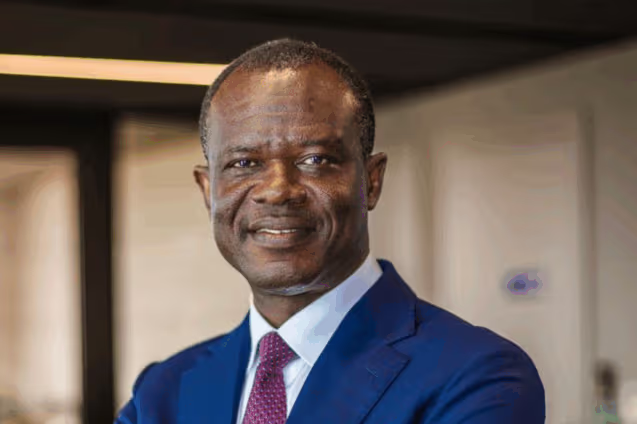
Central Bank Losses: The First Deputy Governor of the Bank of Ghana (BoG), Dr Zakari Mumuni, has stressed that reports on central bank losses must always be placed within the right economic and policy context, warning that misinterpretation can undermine public confidence in monetary authorities.
Speaking at the Governor’s Media Engagement in Accra, Dr Mumuni explained that central banks around the world often record losses when they take decisive actions to stabilise their economies during periods of crisis.
According to him, such losses are not a sign of mismanagement or financial recklessness, but rather the outcome of deliberate policy decisions taken in the national interest.
“These outcomes reflect policy choices made in the public interest, not financial recklessness,” Dr Mumuni stated.
Central Bank Losses Are Not Unique to Ghana
Dr Mumuni noted that it is common for central banks globally to incur losses, particularly during times of economic stress, inflationary shocks, or currency instability. In such moments, central banks often intervene aggressively to protect macroeconomic stability, even when those actions come at a financial cost.
He cautioned that when these losses are reported without adequate explanation, the public may draw the wrong conclusions.
“When this distinction is not clearly explained, public trust can be eroded,” he warned.
Trust Is the Foundation of Monetary Policy
Dr Mumuni emphasized that trust is the cornerstone of effective monetary policy. Without confidence in the central bank, policy measures lose their impact, market expectations become unstable, and economic uncertainty deepens.
He urged analysts, commentators, and the media to focus on the broader outcomes of monetary policy rather than isolated financial figures.
“Yet trust is the very foundation upon which monetary policy rests. The thrust of policy must not be lost; inflation fell sharply, reserves were rebuilt, and the cedi strengthened. These are the results that ultimately matter to citizens,” he said.
According to the Deputy Governor, these achievements demonstrate that recent policy interventions have delivered tangible benefits to the Ghanaian economy, despite the financial costs borne by the central bank.
Currency Stability Is a Shared National Benefit
Dr Mumuni further highlighted that currency stability is not an abstract macroeconomic concept, but one that directly affects the daily lives of citizens.
When the cedi stabilises, he explained:
- Import prices ease
- Transport costs moderate
- School fees, rent, medicines, and food prices become more predictable
- Businesses can plan and price their products with confidence
- Investors gain certainty
- Workers can save without fear of rapid loss in purchasing power
“Workers like all of us can save without fear that our earnings will lose value overnight,” he said.
Stronger Cedi in 2025 Reflects Improved Fundamentals
Dr Mumuni revealed that in 2025, the cedi ended the year significantly stronger, reflecting improved economic fundamentals, disciplined monetary policy, and growing confidence in Ghana’s policy framework.
He stressed that the gains made were not the achievement of the Bank of Ghana alone.
“This was not a victory for the central bank alone. It was a shared national gain,” he said.
According to him, just as economic instability affects everyone, currency stability benefits the entire nation.
Protecting the Cedi Is a Collective Responsibility
The Deputy Governor underscored that safeguarding the cedi cannot be left to the central bank alone. Instead, it requires cooperation from:
- Policymakers
- Businesses
- Households
- The media
He praised the role of responsible journalism in shaping public behaviour, citing the Cedi@60 campaign as an example of how media engagement can reinforce national ownership of the local currency.
“Your coverage during the Cedi@60 campaign demonstrated this power. By reinforcing responsible currency handling and national ownership of the cedi, your reporting helped turn policy into public action,” Dr Mumuni noted.
Call for Responsible Economic Reporting
Dr Mumuni’s remarks serve as a call for balanced and informed economic reporting, particularly on sensitive issues such as central bank finances. He urged the media to provide context that helps the public understand why certain policy decisions are made and how they ultimately serve national economic stability.
As Ghana continues to consolidate recent macroeconomic gains, he stressed that maintaining trust, stability, and shared responsibility will remain critical to sustaining progress.
Source: 3news.com
Also read: Bank of Ghana Seeks Reimbursement for Gold for Reserves Programme, Calls for Burden Sharing
Continue Reading

Manhyia South MP Baffour Awuah Reports to EOCO With Lawyer After High Court Arrest Warrant
The Member of Parliament for Manhyia South, Nana Agyei Baffour Awuah, has reported to the Economic and Organised Crime Office (EOCO) in connection with an ongoing investigation into alleged financial irregularities involving SIC Life Savings and Loans Company Limited. The legislator appeared at the EOCO office on Thursday, October 1, 2026, accompanied by his lawyer, […]
 Junior Kojo

Three Suspects Arrested Over Kidnapping and Murder of Circle Phone Dealer
Circle Phone Dealer: The Ghana Police Service has arrested three people in connection with the alleged kidnapping and murder of 33-year-old Nana Yaw Kyere, a phone dealer whose disappearance in Accra has ended in a tragic discovery. The arrests follow investigations into the disappearance of the phone dealer, who was reported missing on September 22, […]
Junior Kojo
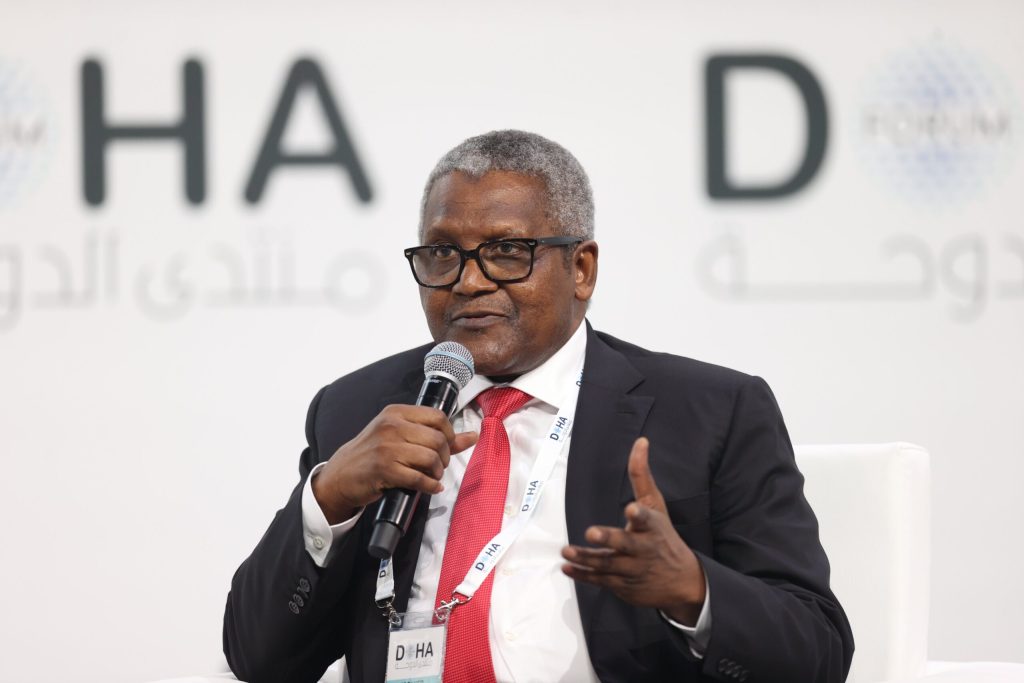
Aliko Dangote Praises Mahama Over Ghana’s Economic Turnaround
African business mogul Aliko Dangote has praised President John Dramani Mahama for what he described as a notable improvement in Ghana’s economic situation since the beginning of the current administration. Dangote, one of Africa’s most prominent business figures, said the developments in Ghana demonstrate the important role that confidence and trust can play in economic […]
Junior Kojo