
Mahama Cares: Veep Opoku-Agyemang Demands Urgent Reforms After Mahama Cares Visit

Samuel Stefano
Editor, PulseView

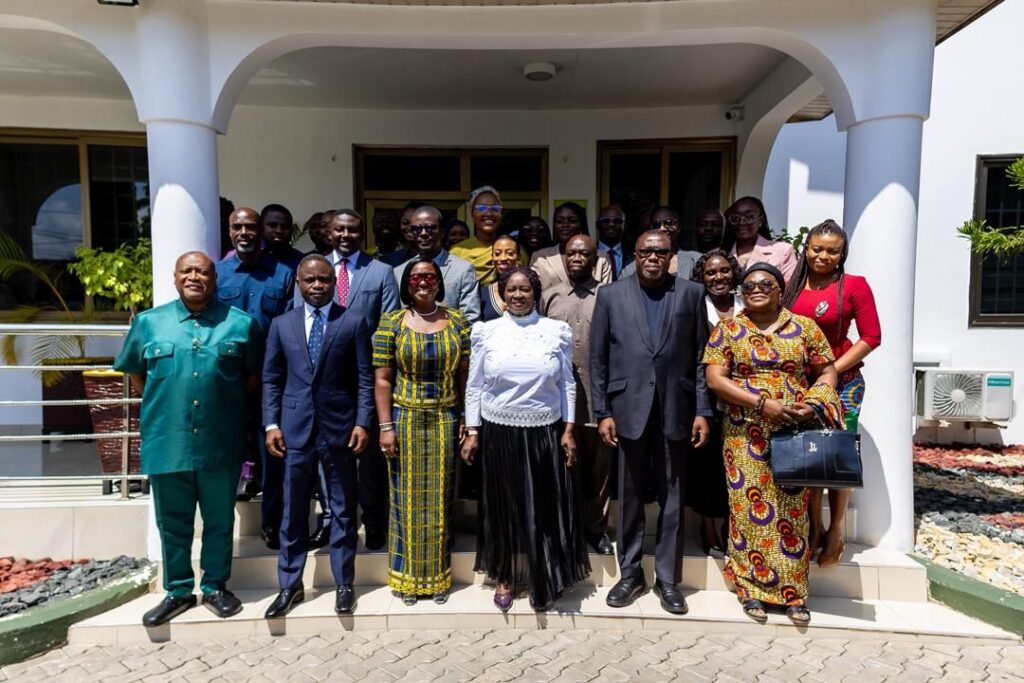
Mahama Care: Vice President Naana Jane Opoku-Agyemang has called for urgent and comprehensive reforms in Ghana’s healthcare system following a revealing working visit to the Ghana Medical Trust Fund Secretariat (Mahama Cares) in Accra.
The visit, which formed part of ongoing efforts to assess the country’s preparedness in addressing chronic and non-communicable diseases, exposed significant gaps in infrastructure, medical equipment, human resources, and access to life-saving treatment. These findings have reignited concerns about the resilience and responsiveness of Ghana’s health system in the face of evolving disease patterns.

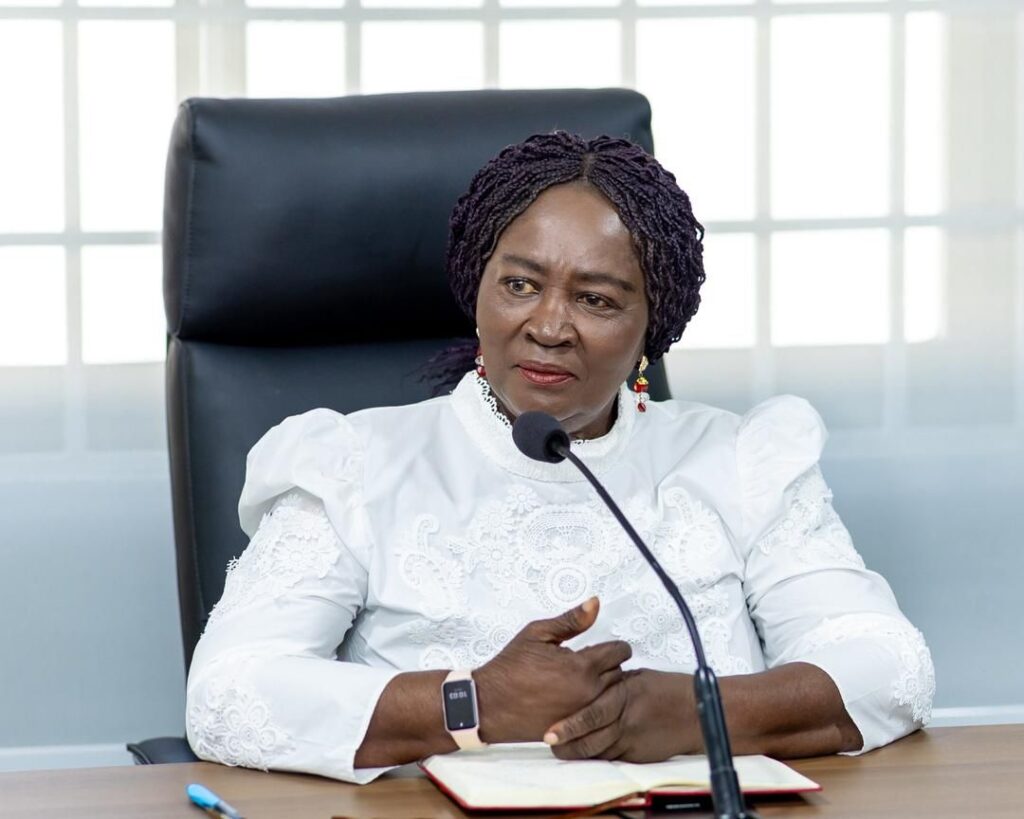
Speaking after the engagement, the Vice President, Naana Jane Opoku-Agyemang emphasised that healthcare delivery must be strengthened urgently to meet the growing needs of the population. She stressed that while illness is often beyond an individual’s control, it is the responsibility of the state to ensure that systems are in place to provide timely and effective care.
“No one chooses to be ill, but when it happens, the system must be ready,” she stated.
Revealing a System Under Pressure
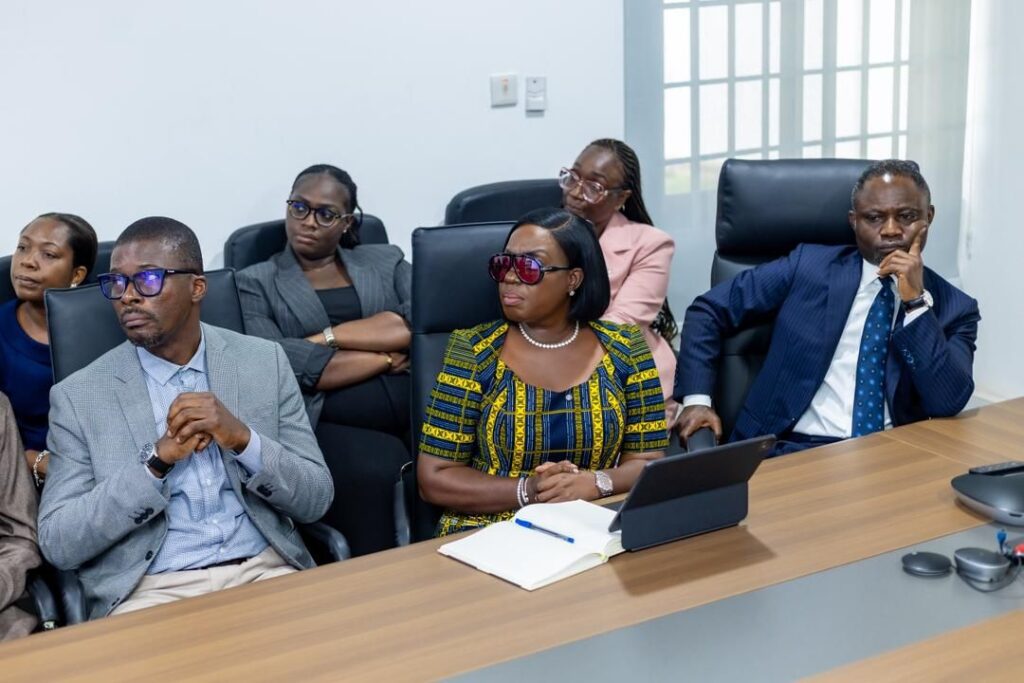
During the briefing, the Administrator of Mahama Cares, Obuobia Darko-Opoku, presented findings from a nationwide needs assessment that painted a troubling picture of healthcare delivery across the country.
According to her, Ghana’s capacity to diagnose and treat non-communicable diseases particularly cancer—is severely constrained by limited equipment and centralised services.
She disclosed that the country currently has only two radiotherapy machines, both located in Accra. This has resulted in long waiting periods, with some cancer patients reportedly waiting up to four months before receiving treatment. Such delays, health experts warn, can significantly reduce survival rates and worsen patient outcomes.
In addition, Ghana has only five mammogram machines nationwide, a shortfall that limits early detection of breast cancer, one of the leading causes of death among women. Early diagnosis is critical in cancer management, and the lack of adequate screening tools continues to pose a major challenge.
“These gaps are not just statistics; they represent real people whose chances of survival depend on timely access to care,” Obuobia Darko-Opoku noted.
She explained that the assessment findings are now serving as a strategic blueprint guiding the operations of the Secretariat, particularly as the Fund prepares to scale up interventions aimed at improving access to treatment.
The Role of the Ghana Medical Trust Fund
The Ghana Medical Trust Fund, widely known as Mahama Cares, has been positioned as a critical intervention mechanism to address the growing burden of chronic diseases in the country.
The Fund is expected to:
- Expand access to treatment for non-communicable diseases
- Support the procurement of essential medical equipment
- Provide financial relief to patients who cannot afford expensive treatments
- Strengthen healthcare infrastructure nationwide
As the government intensifies efforts to improve healthcare delivery, the Fund is emerging as a key pillar in bridging gaps that have persisted for years.
Strengthening Primary Healthcare Systems
A major highlight of the Vice President’s remarks was the need to reinforce primary healthcare systems, particularly the Community-based Health Planning and Services (CHPS) compounds.
She noted that many of the challenges facing tertiary hospitals—such as congestion and delayed care—can be traced to weaknesses at the primary level. Strengthening CHPS facilities, she explained, would help bring healthcare closer to communities, enabling early diagnosis and treatment of diseases before they become severe.
Improved primary healthcare, she added, would not only reduce the burden on referral hospitals but also enhance equity in access, especially for rural and underserved populations.
Rising Burden of Non-Communicable Diseases
The vice president also drew attention to the increasing prevalence of non-communicable diseases (NCDs) in Ghana, describing the trend as a growing public health concern.
Traditionally, Ghana’s health system has focused largely on infectious diseases such as malaria and tuberculosis.
However, conditions like cancer, diabetes, hypertension, and cardiovascular diseases are now on the rise—placing additional strain on an already stretched system.
Of particular concern is the emerging evidence that these conditions are increasingly affecting younger populations, including children.
Prof. Naana Jane Opoku-Agyemang called for intensified research and data collection to better understand the underlying causes and inform policy decisions. She stressed that without accurate data, it would be difficult to design effective interventions or allocate resources efficiently.
Reforming Health Education and Workforce Development
Another critical area highlighted during the visit was the need to reform health training institutions to align with the current demands of the healthcare system.
The vice president urged stakeholders to ensure that the training of health professionals reflects the changing disease burden and equips graduates with the skills needed to manage modern health challenges.
She emphasised that:
- Curriculum reforms are necessary to incorporate emerging health issues
- Training institutions must adapt to evolving healthcare technologies
- Workforce planning should be aligned with national health priorities
A well-trained and adequately distributed health workforce, she noted, is essential for delivering quality care and achieving sustainable improvements in health outcomes.
A Call for Coordinated Action
Prof. Opoku-Agyemang’s remarks underscore the need for a coordinated and multi-sectoral approach to healthcare reform. Addressing the challenges identified will require collaboration between government agencies, health institutions, development partners, and the private sector.
Investment in infrastructure, equipment, and human resources must be matched with strong policy direction and effective implementation.
She reiterated the government’s commitment to strengthening the health system but emphasised that the urgency of the situation demands swift and decisive action.
Looking Ahead
The vice president’s visit to the Ghana Medical Trust Fund Secretariat has brought renewed attention to the structural challenges facing Ghana’s healthcare system.
While initiatives like Mahama Cares offer hope, the scale of the problem requires sustained effort, strategic investment, and long-term planning.
The findings from the needs assessment serve as both a warning and an opportunity a warning of the consequences of inaction, and an opportunity to rebuild a system that is more inclusive, resilient, and responsive.
As Ghana continues to navigate the complexities of modern healthcare delivery, one message stands out clearly:
Reform is no longer a choice—it is an urgent necessity.
Continue Reading

How to Get Rid of Brain Fog: 9 Simple Ways to Improve Focus and Mental Clarity
Brain fog can make it difficult to concentrate, remember simple things or think clearly. While it is not a medical condition on its own, it can leave you feeling mentally slow and overwhelmed. The good news is that small changes to your daily routine may help improve focus, reduce mental overload and support better brain […]
 Frank Ocansey

What Screen Time Really Does to Children’s Brains: What the Science Says
Screen Time: Parents are repeatedly warned that smartphones, tablets, gaming and social media could damage children’s brains. But despite growing concern about screen use, researchers remain divided over how harmful it really is — and whether the amount of screen time matters as much as what children are actually doing online. Screen time has become […]
Frank Ocansey

Box Breathing for Stress: How the 4-4-4-4 Technique Helps Calm Your Nervous System
Box breathing has become one of the most popular breathing techniques for managing stress, anxiety and moments of intense pressure. Used by athletes, military personnel and people struggling with sleeplessness, the method is remarkably simple: breathe in, hold, breathe out and hold again for equal amounts of time. But what actually happens inside the body […]
Frank Ocansey